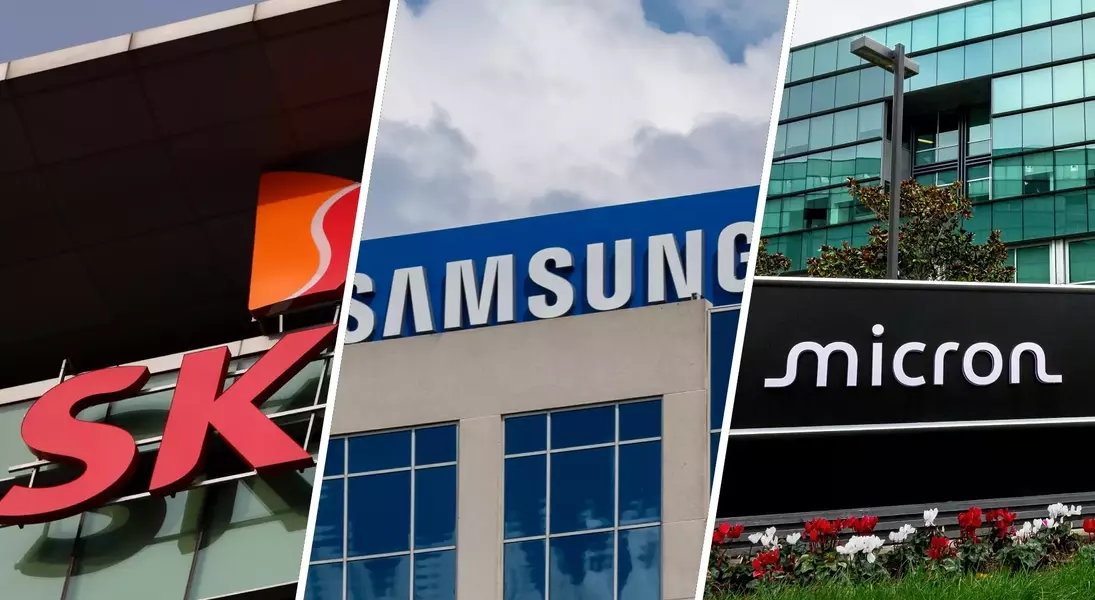
The memory sector is currently embroiled in a significant legal battle, as a class-action lawsuit targets industry giants Samsung, SK Hynix, and Micron. These leading manufacturers of Dynamic Random Access Memory (DRAM) are accused of engaging in concerted anticompetitive practices, manipulating supply, and fixing prices. The legal complaint, lodged in a US district court, highlights a drastic surge in conventional DRAM prices—reportedly by up to 700% within a four-year period—attributing this to deliberate collusion rather than mere market forces. This litigation emerges against a backdrop of a persistent memory shortage, exacerbated by the booming artificial intelligence sector's high demand for specialized memory, which has led to widespread price hikes across various consumer electronics, including gaming PCs and consoles.
The lawsuit details a pattern of behavior where the three companies allegedly coordinated production cuts and strategically shifted focus to High Bandwidth Memory (HBM), effectively limiting the availability of conventional DDR3 and DDR4 memory. This collective withdrawal from expanding conventional DRAM supply, without any one competitor seizing market share, suggests a coordinated effort to control the market. Furthermore, the complaint points to the immense barriers to entry in the DRAM manufacturing industry, such as multi-billion dollar fabrication plant costs, extensive build times, and exclusive access to critical equipment, reinforcing the oligopolistic nature of the market and the difficulty for new players to challenge the established order.
Allegations of Market Manipulation and Price Collusion
The class-action lawsuit filed against Samsung, SK Hynix, and Micron centers on claims of deliberate market manipulation and price-fixing within the DRAM industry. According to the plaintiffs, these three dominant memory producers, collectively labeled as "Oligopolists," have orchestrated an artificial scarcity of conventional DRAM, leading to an extraordinary escalation in prices. The legal action asserts that the defendants' actions, including simultaneous production cuts and a coordinated pivot towards High Bandwidth Memory (HBM) at the expense of traditional DDR3 and DDR4, defy economic logic absent a collusive agreement. This alleged behavior directly impacts businesses and individual consumers who have faced exorbitant costs for memory components since 2022, with some projections indicating further price increases of up to 50% by 2026.
The complaint argues that the memory manufacturers did not compete with each other when supply was constrained; instead, they all retracted their production simultaneously, indicating a shared strategy to control the market. The case further cites instances like Micron's decision to cease its consumer-oriented Crucial brand as evidence of artificially reducing supply, despite the market being at a historical peak of profitability. This strategy, the lawsuit contends, has allowed the companies to maintain high prices and stifle market competition. The difficulty for new entrants to challenge this oligopoly is also emphasized, given the enormous capital investment required for new fabrication plants, the lengthy construction periods, and the exclusive access incumbents have to critical manufacturing equipment like extreme ultraviolet lithography machines, effectively creating insurmountable barriers.
Impact on Consumers and Industry Dynamics
The alleged price-fixing and supply manipulation by major DRAM producers have had profound consequences across the technology landscape, severely impacting consumers and various industries. The class-action lawsuit highlights that the memory supply crisis has not only driven up the cost of standalone RAM kits but has also significantly affected the pricing of end products such as gaming laptops, with many manufacturers resorting to offering lower memory configurations. Beyond PCs, the ripple effect has been felt in the console market, with prominent players like Nintendo, Sony, and Microsoft announcing substantial price increases for their gaming systems, a move partially attributed to the escalating memory costs. Even tech giant Apple voiced concerns over unprecedented component price surges, underscoring the widespread nature of the issue.
The lawsuit explicitly details how the entrenched position of Samsung, SK Hynix, and Micron, coupled with prohibitive entry barriers, prevents any new competition from disrupting their market control. The capital outlay for a new DRAM fabrication plant, ranging from fifteen to twenty billion dollars, along with the years-long construction timeline and the monopolistic supply of essential lithography equipment from a single Netherlands-based vendor, solidify the dominance of these three companies. Additionally, US export controls, which bar Chinese producers from accessing advanced equipment, inadvertently reinforce the incumbents' power by removing potential challengers. The legal action seeks not only monetary damages for affected parties but also injunctive relief to dismantle these alleged anticompetitive practices, aiming to restore fair competition and stabilize memory prices in the long term, although the defendants have yet to respond publicly to these serious allegations.
