A groundbreaking study has revealed that psychological interventions focused on memory can significantly bolster an individual's ability to resist misinformation over extended periods. Researchers from prestigious institutions such as Oxford, Cambridge, and Bristol conducted extensive experiments to evaluate various methods of inoculating people against misleading information. The findings suggest that regular memory-focused "booster" interventions could be crucial in enhancing public education and digital literacy programs, addressing misinformation challenges across diverse fields.
The research team explored three types of interventions: text-based messages, short educational videos, and interactive games. These methods were designed to teach participants how to identify and counteract misleading content. While all approaches showed initial effectiveness, their impact diminished over time. However, when follow-up reminders or reinforcement exercises were introduced, the longevity of misinformation resistance was notably prolonged. This discovery underscores the importance of integrating memory-enhancing techniques into broader anti-misinformation strategies.
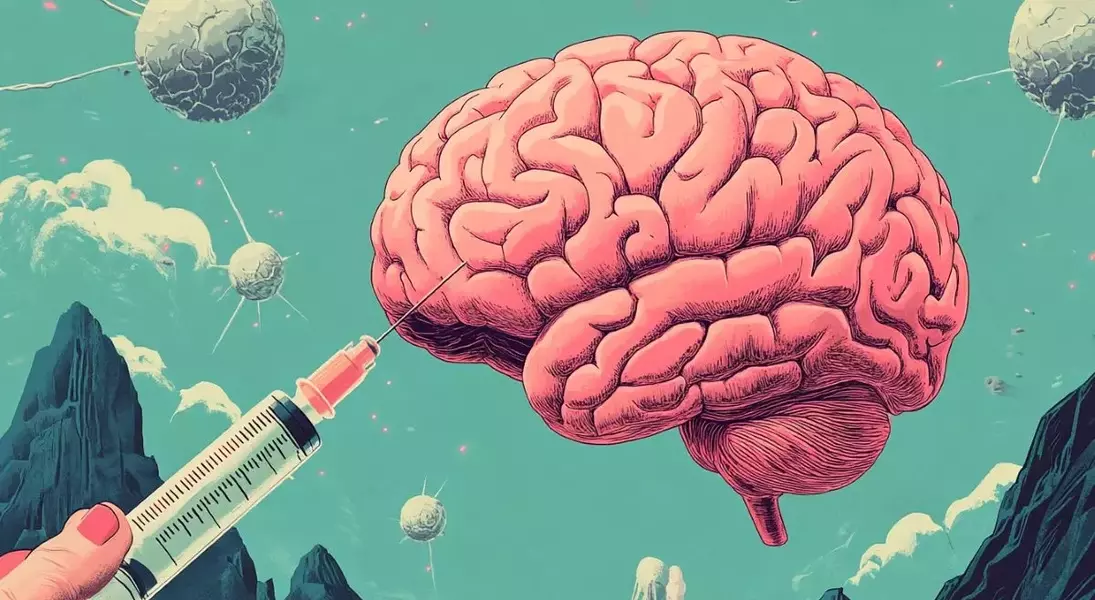
Dr. Rakoen Maertens, lead researcher from the University of Oxford’s Department of Experimental Psychology, highlighted the parallels between medical booster vaccines and psychological interventions. Just as vaccine boosters enhance immunity, psychological boosters can strengthen an individual's resistance to misinformation. The study also found that methods focusing solely on increasing motivation without reinforcing memory did not yield significant benefits for long-term effectiveness.
Professor Stephan Lewandowsky from the University of Bristol emphasized the versatility of these interventions, noting that they worked equally well across different formats—text, video, and games. This broad applicability makes it easier to implement large-scale inoculation programs in various contexts. The study calls for collaboration among researchers, policymakers, and social media platforms to integrate these insights into comprehensive public information campaigns.
The research underscores the critical role of memory in sustaining the effects of misinformation resistance. By incorporating memory-boosting techniques into public education and digital literacy initiatives, society can better equip individuals to recognize and resist misleading information, fostering a more informed and resilient public.
