
This article explores seven alluring Mediterranean destinations where American retirees can enjoy a luxurious lifestyle without breaking the bank. These locations offer a significant reduction in living expenses compared to the United States, alongside rich cultural experiences, stunning natural beauty, and excellent healthcare. From the historic charm of Valletta to the vibrant atmosphere of Split, these places promise a fulfilling and affordable retirement.
Unlock a Dream Retirement: Mediterranean Charm, American Savings
Valletta: Malta's Baroque Jewel and Expat Haven
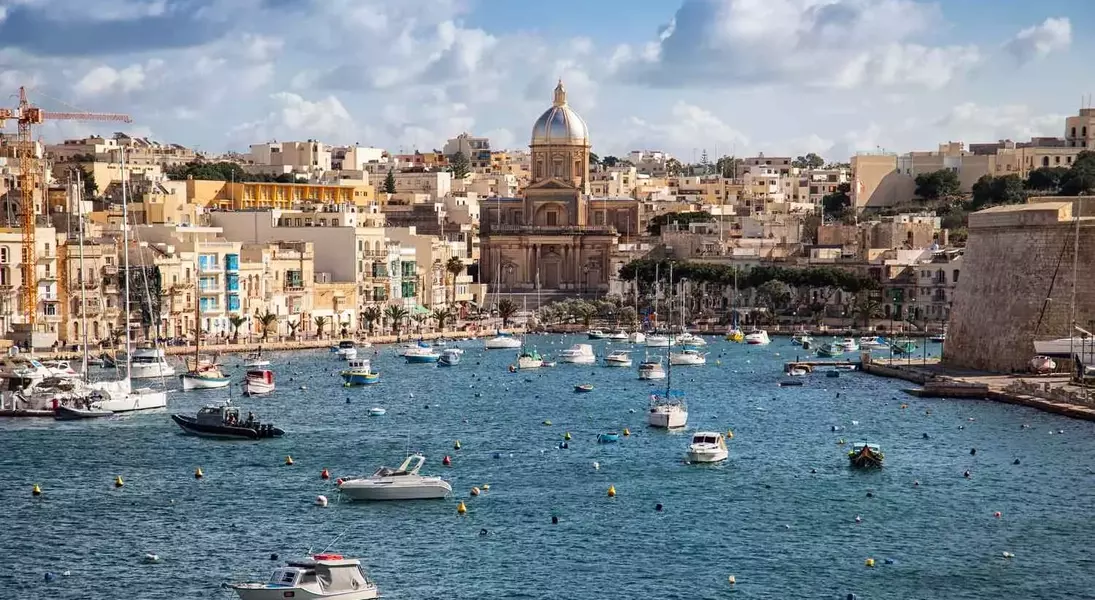
Valletta, a UNESCO World Heritage site, is renowned for its golden Baroque architecture and a historic harbor, fortified since the 16th century by the Knights of St. John. Life here includes leisurely ferry trips to the tranquil island of Gozo, enjoying over 300 days of sunshine annually, and evening strolls along the harbor walls. English is an official language, simplifying the transition for American retirees. A single person can live comfortably for approximately $1,770 per month, about 30% less than the average U.S. cost. Malta boasts one of Europe's top healthcare systems, ranked 5th globally by the World Health Organization, and offers free public transportation for residents over 60. The Global Residence Programme provides special tax incentives for retirees, making Malta an even more attractive destination.
Alicante: Spanish Serenity and Coastal Vibrancy
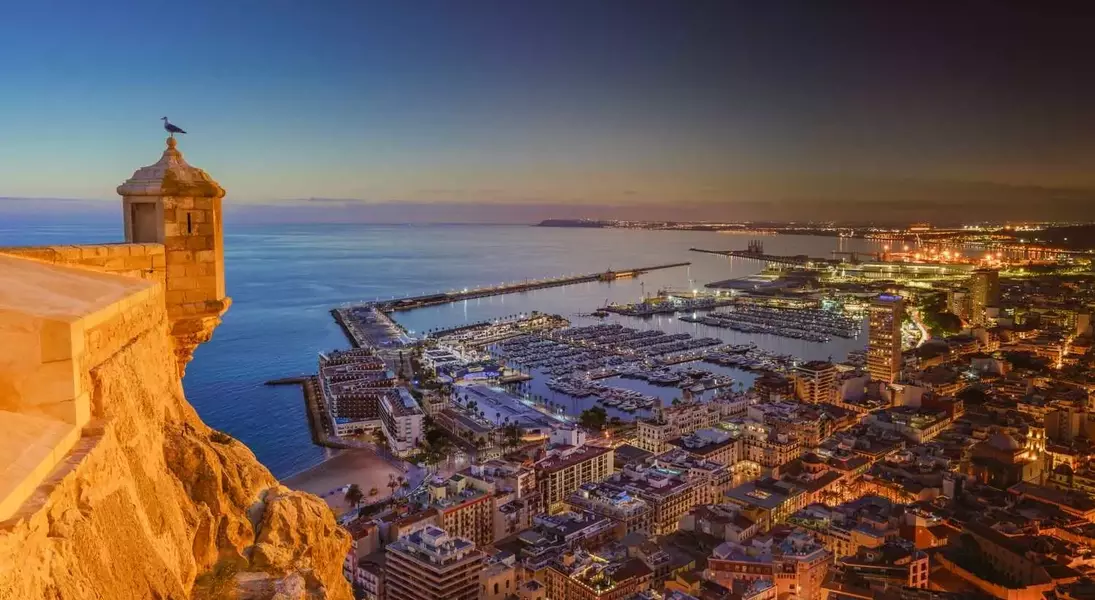
Alicante, nestled on Spain's Costa Blanca, is a lively city, not just a tourist hub. It features a majestic hilltop castle, a picturesque palm-lined promenade, and a bustling central market offering fresh local produce, seafood, and olives. Spain consistently ranks among the world's healthiest countries, largely due to its robust public healthcare system, emphasis on preventive care, and the beneficial Mediterranean diet. The monthly cost of living for a single person in Alicante is around $1,461, an impressive 42% less than the U.S. average. The Non-Lucrative Visa is the typical route for residency, allowing retirees to immerse themselves in local customs like "tardeo" - afternoon socializing with tapas and drinks.
Chania: Greek Island Living Amidst Ancient Beauty
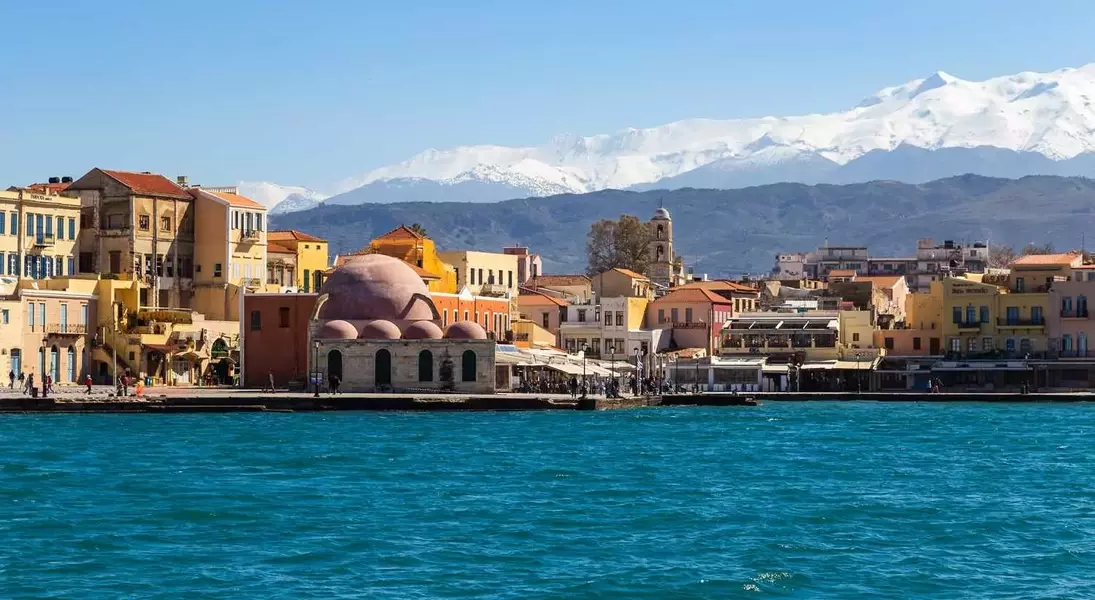
Greece was recently recognized as the top retirement destination for 2026 by International Living, with Chania on Crete island exemplifying its appeal. Crete, Greece's largest island, remains vibrant year-round, unlike smaller seasonal tourist spots. Chania's Venetian harbor, dating back to the 14th century, is a charming maze of narrow streets adorned with Ottoman and Venetian architecture, set against the backdrop of the snow-capped White Mountains. Daily life in Chania offers fresh, affordable produce from the Agora market, weekend excursions to unique pink-sand beaches such as Elafonissi, and a relaxed pace of life. The average monthly living cost for a single person is approximately $1,245, roughly half the U.S. average. Greece also provides a Financially Independent Person visa for non-EU citizens with a qualifying monthly income.
Split: Croatian History and Adriatic Delights
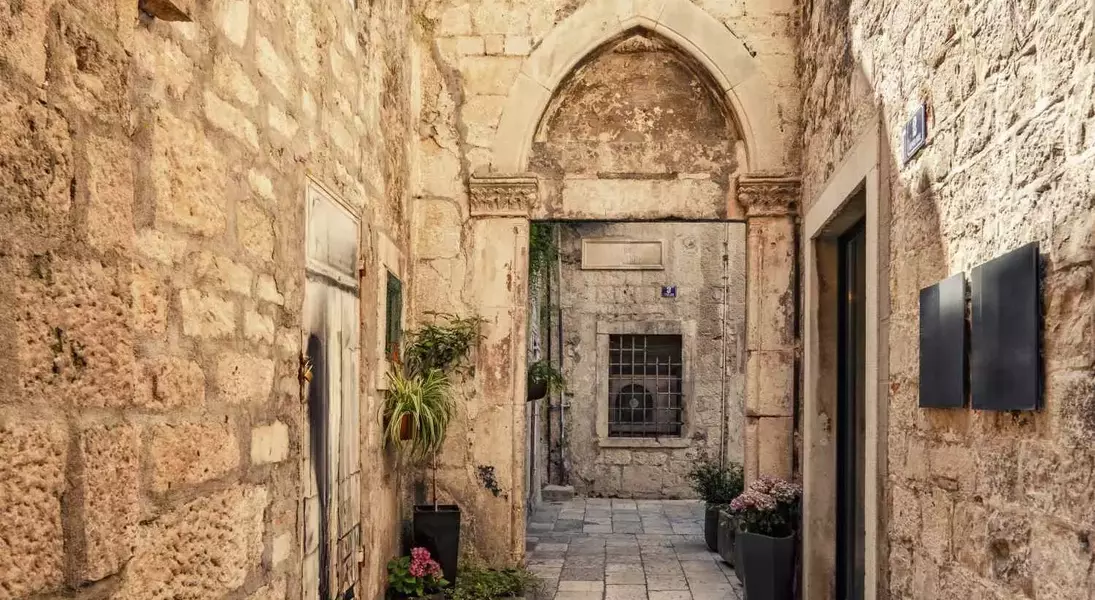
Split is uniquely built directly within ancient ruins, with its old town integrated into Diocletian's Palace, a 1,700-year-old Roman emperor's retirement estate. Here, apartments are carved into ancient stone, cafes are nestled in Roman basements, and a cathedral occupies what was once the emperor's mausoleum. Residents can spend hours enjoying coffee on the Riva promenade or take short ferry rides to nearby islands like Hvar and Brač. The average monthly cost of living for a single person in Split is about $1,623, approximately 35% less than the U.S. average. U.S. citizens can obtain a Temporary Residence Permit, often by pre-paying rent or purchasing property. As part of the EU and having adopted the Euro in 2023, Croatia offers easy access to the Schengen zone for broader European travel.
Bari: Authentic Italian Charm and Affordability
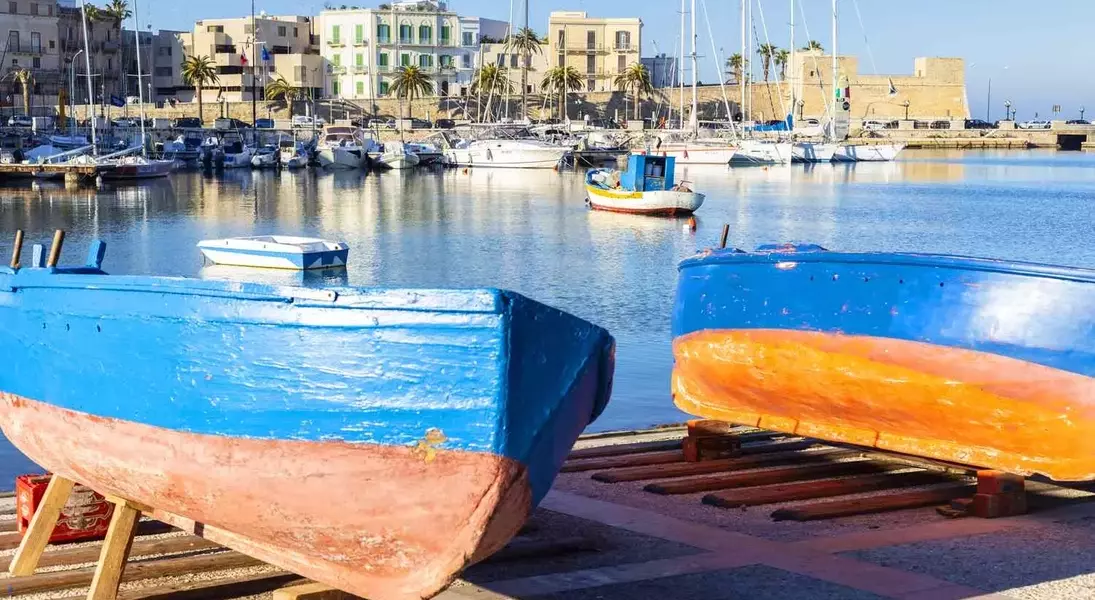
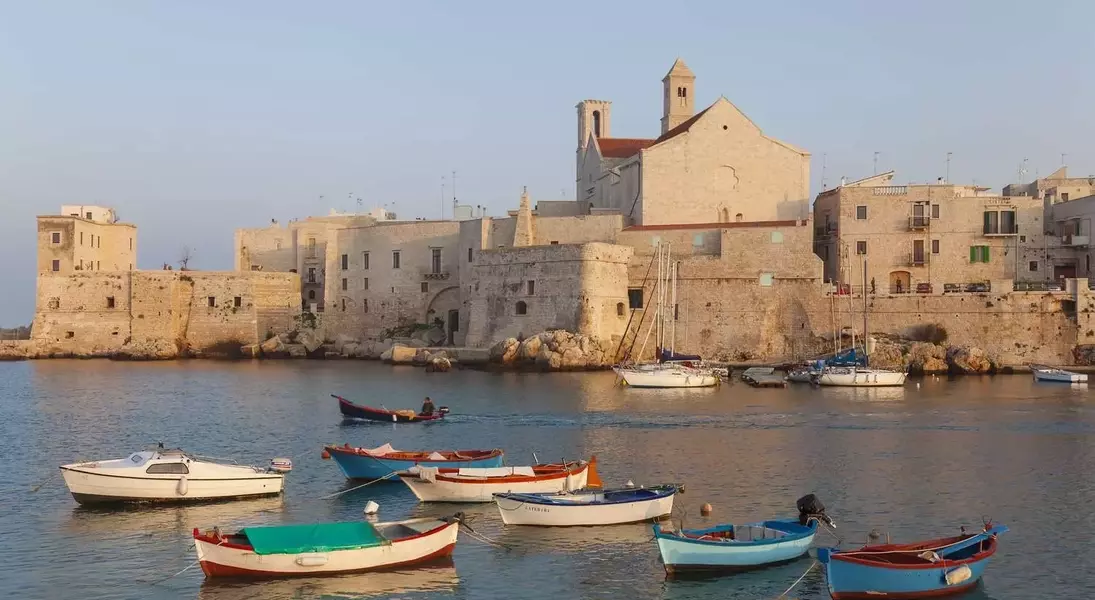
Bari provides an authentic Italian experience without the high costs associated with Tuscany or Rome. As the capital of Puglia, the "heel" of Italy's boot, it is a bustling port city with an opera house, the expansive Lungomare seafront promenade, and an old town where local artisans still make orecchiette pasta by hand on the streets. Puglia is a major producer of wine and olive oil, ensuring fresh, local culinary delights. Daily life includes enjoying fresh burrata from the market, sunset aperitivos at the harbor, and convenient train access to picturesque hill towns like Ostuni. The average monthly cost of living for a single person in Bari is about $1,588, around 37% less than the U.S. average. While central Bari has seen rising rents due to tourism, retirees can find better value in surrounding areas or nearby towns like Molfetta. The Elective Residence Visa allows residency for those with sufficient passive income, along with access to Italy's national healthcare system for a modest annual fee. Direct flights from New York to Bari are also set to begin, improving accessibility.
Alanya: Turkish Riviera's Budget-Friendly Coastal Living
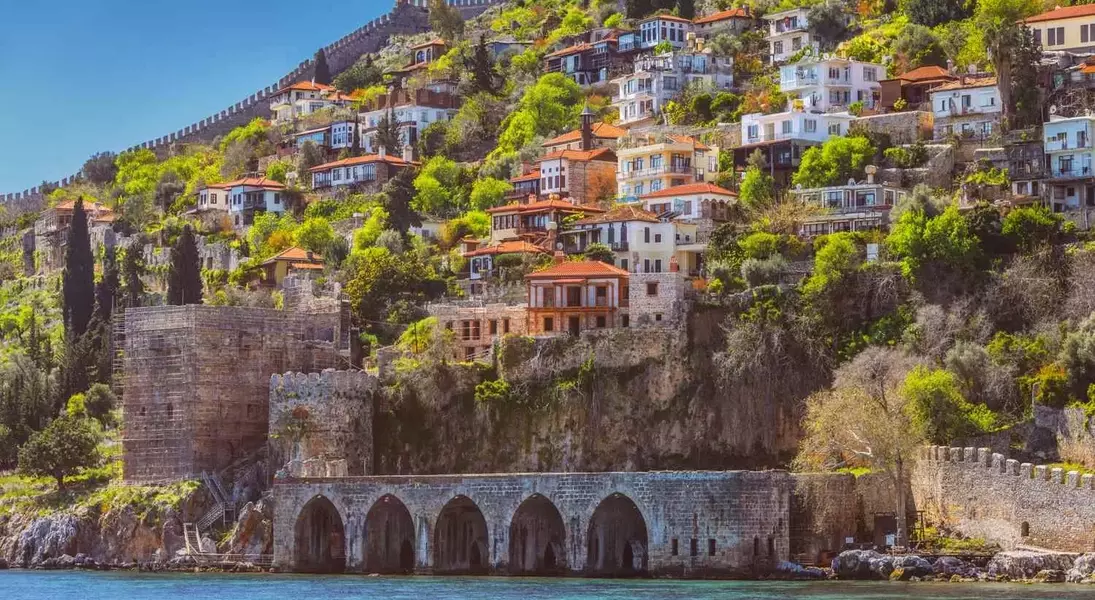
Alanya, a resort city on Turkey's Turquoise Coast, boasts the lowest cost of living among the listed destinations, at $734 per month for a single person, significantly less than the U.S. average. It features Cleopatra Beach, famously gifted by Mark Antony to Queen Cleopatra, and a 13th-century Seljuk castle surrounded by six kilometers of walls. A cable car connects the beach to the fortress and the historic Kızılkule (Red Tower), a unique Seljuk-era shipyard that was once a vital naval base. Turkey does not offer a specific retirement visa, but a renewable short-term residence permit can be obtained by renting or purchasing property. English-speaking doctors are available in private clinics, and health insurance is required for residency. While Alanya offers an adventurous retirement with its historical depth and affordability, it is important to note that Turkey is not part of the EU, and the Turkish lira's volatility can impact purchasing power. English is less common outside tourist areas, and summer temperatures can be very high.
Kotor: Montenegrin Majesty Where Mountains Meet the Adriatic
Kotor offers a dramatic landscape where towering mountains meet the Adriatic Sea, along with a medieval walled town. This UNESCO World Heritage site is a labyrinth of cobblestone streets, Romanesque churches, Venetian palaces, and the 12th-century Cathedral of Saint Tryphon. The town is encased by 4.5 kilometers of fortifications that ascend the mountainside to a fortress reachable by 1,350 steps. The cost of living for a single person is approximately $1,261 per month, almost half the U.S. average. Montenegro uses the Euro, simplifying currency conversions. Recent changes require a higher real estate value (€200,000 in late 2025) for residency, so prospective retirees should verify the latest regulations.
