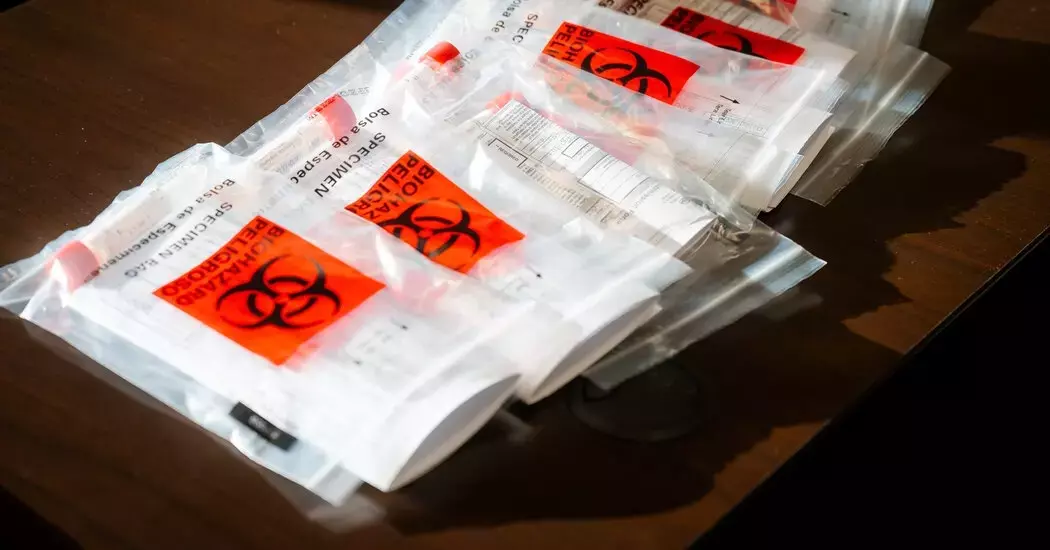
The recent confirmation of a measles case in an unvaccinated individual in New Mexico has raised alarms about the ongoing outbreak. Health officials have not definitively linked the death to measles, but this incident highlights the growing concern over the spread of the disease. The outbreak, which began in West Texas, has now affected neighboring regions, leading to increased scrutiny of public health policies and vaccination practices. Additionally, the new Secretary of Health and Human Services, Robert F. Kennedy Jr., has faced criticism for his ambiguous stance on vaccines, further complicating efforts to control the outbreak.
Unvaccinated Fatality Sparks Alarm Amid Measles Surge
In a concerning development, an unvaccinated individual in New Mexico has tested positive for measles following their untimely death. Although health authorities have yet to confirm whether measles was the direct cause, this case underscores the severity of the current outbreak. The deceased reportedly did not seek medical attention before passing away, raising questions about awareness and access to healthcare. This incident follows another measles-related fatality in Texas, marking the first such death in the United States in a decade. The rapid spread of measles in these areas is alarming, especially given that ten cases have been reported in Lea County, New Mexico, which borders the epicenter of the outbreak in West Texas.
The resurgence of measles in regions with low vaccination rates is a stark reminder of the importance of immunization. Health experts emphasize that measles can be particularly dangerous for unvaccinated individuals, as it can lead to severe complications and even death. In this case, the lack of medical intervention prior to the individual's death highlights the need for better education and outreach programs to ensure people understand the risks associated with skipping vaccinations. Public health officials are working tirelessly to contain the outbreak, but the challenge is compounded by misinformation and hesitancy surrounding vaccines. The situation in New Mexico serves as a critical warning about the potential consequences of declining vaccination rates.
Critical Scrutiny of Health Policies and Leadership
The outbreak has also brought intense scrutiny to the leadership of the Department of Health and Human Services (HHS). Newly appointed Secretary Robert F. Kennedy Jr., known for his skepticism toward vaccines, has faced harsh criticism from the scientific community. His cautious approach to endorsing vaccination has been met with disapproval, as many argue that clear support for vaccines is crucial during such crises. Instead of unequivocally promoting the safety and effectiveness of vaccines, Kennedy has taken a more nuanced stance, emphasizing personal choice while advocating for alternative treatments like cod liver oil. This approach has drawn sharp rebukes from experts who fear it may undermine public trust in established medical practices.
Historically, HHS secretaries have played a pivotal role in communicating the importance of vaccines to the public. However, Kennedy's equivocal statements have created uncertainty at a time when strong leadership is essential. Critics argue that his reluctance to fully endorse vaccines could embolden anti-vaccination sentiments, potentially exacerbating the outbreak. As the situation continues to evolve, there is growing pressure on health officials to provide clear, evidence-based guidance to the public. The effectiveness of the response will depend on how well leaders can balance public concerns with scientific recommendations, ensuring that accurate information reaches those who need it most.
