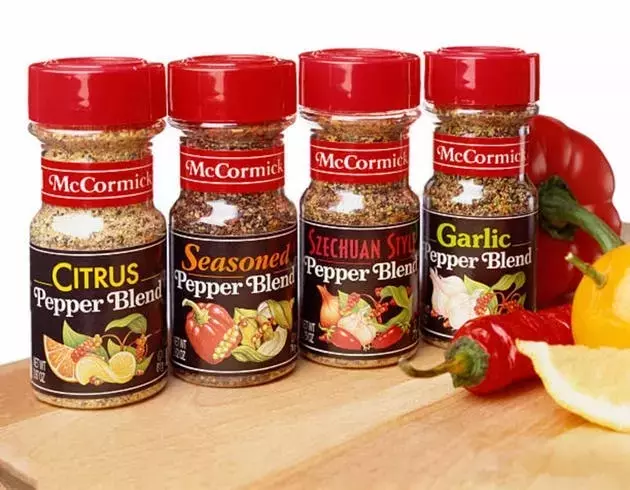
McCormick & Company's strategic merger with Unilever's food division is poised to create a formidable entity in the global flavor and condiment market. This union aims to consolidate their strengths, expanding McCormick's reach beyond its traditional spice and herb offerings into a broader range of culinary products. While the integration presents certain operational and financial challenges, the long-term outlook for enhanced market position, increased revenue streams, and improved profitability appears promising for the combined enterprise.
McCormick & Company, a long-standing name in consumer packaged goods and a favorite among dividend growth investors, has historically expanded its portfolio through both organic development and targeted acquisitions. Its journey from a purveyor of spices and herbs to a diversified food company, now incorporating various condiments, underscores a consistent growth strategy. The upcoming merger with Unilever's food business marks a significant chapter in this expansion, aiming to solidify its status as a global powerhouse in the flavor industry.
The financial implications of this merger are substantial. It is anticipated that the combined entity will see a significant increase in leverage, potentially reaching 4.0x, along with the inherent complexities and risks associated with integrating two large corporate cultures and operational frameworks. However, these challenges are expected to be temporary. Projections indicate a healthy 3–5% sales growth and operating margins improving to an impressive 23–25% within three years post-merger. These figures suggest a robust return on investment and successful synergy realization.
From an investment perspective, McCormick appears to be currently undervalued. Its shares are trading at approximately 17.5 times its estimated 2026 earnings per share, which is considerably lower than its five-year average trading multiples of 27–28 times. This valuation gap, coupled with a fair value estimate of $68.20, points towards a significant upside potential. Furthermore, McCormick boasts an impressive 40-year track record of consistent dividend growth, offering a near-decade-high yield of 3.53%. This strong dividend safety record, combined with its growth prospects, reinforces a positive long-term investment thesis for the company.
The proposed integration between McCormick and Unilever's food operations is expected to redefine their market presence and unlock substantial value. Despite the short-term hurdles of heightened leverage and integration complexities, the strategic alignment promises to deliver sustained growth in sales and profitability, underpinned by McCormick's established history of dividend increases and attractive valuation, making it a compelling option for investors seeking long-term gains and income.
