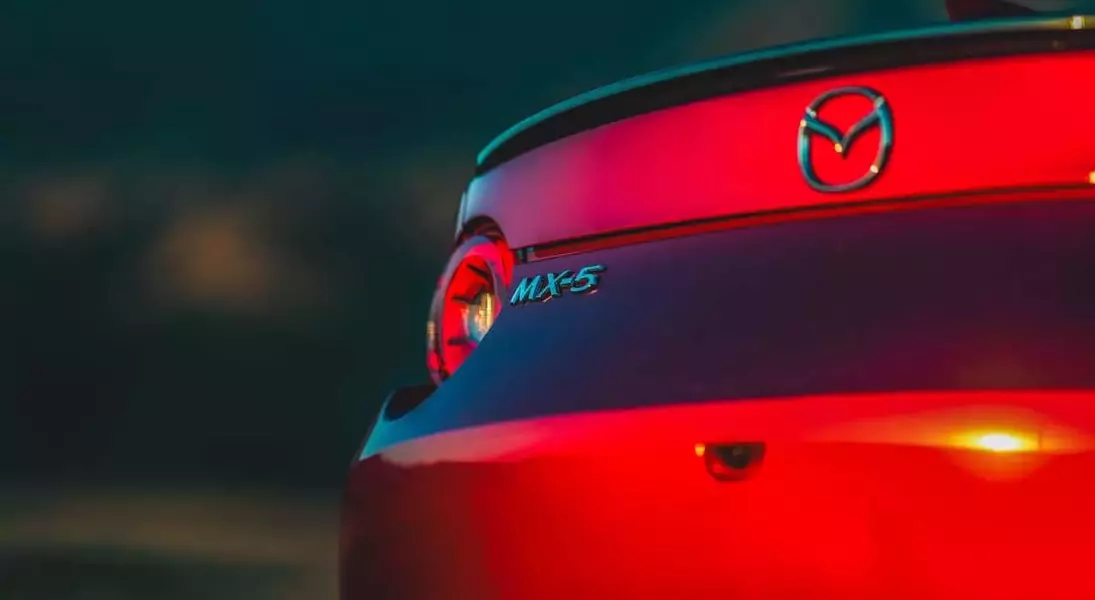
Anticipation is building for the next iteration of the Mazda Miata, despite its release being several years away. The current "ND" generation, though a decade old, continues to be celebrated for its pure, back-to-basics driving appeal. This enduring popularity highlights the vehicle's unique position in a market increasingly dominated by advanced technology.
Reports suggest that the forthcoming fifth-generation Miata will mark a significant turning point, likely being the last in its lineage to be powered by a conventional internal combustion engine. This development signals Mazda's careful approach to the future of its iconic roadster amidst global shifts towards electrification, ensuring the car's legacy endures while adapting to new industry standards.
The Evolution of the Miata's Powertrain
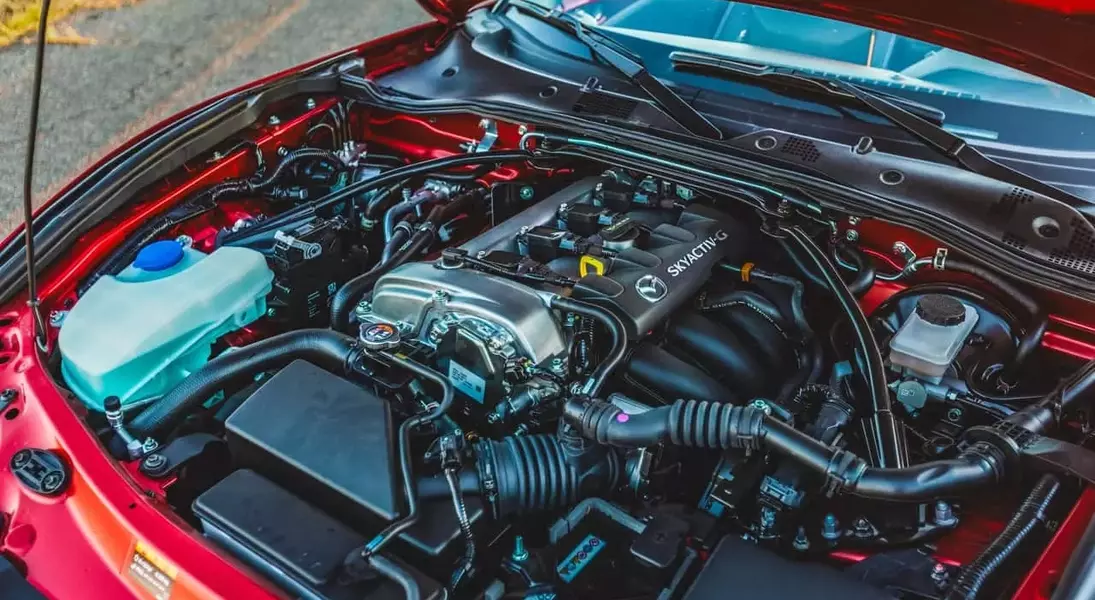
Mazda has provided initial insights into the specifications of the upcoming "NE" generation Miata, confirming that it will feature a more substantial 2.5-liter engine. This new powerplant will be a part of the advanced Skyactiv-Z engine family and is designed to remain naturally aspirated, channeling power to the rear wheels through a six-speed manual transmission. A key objective for the next Miata is to maintain its characteristic lightweight design, with engineers targeting a curb weight under 1,000 kilograms (2,204 pounds). This is a considerable challenge, especially given the continuous increase in mandatory safety features, which often add significant weight to modern vehicles. The integration of any form of electrification, such as a mild hybrid system, would further complicate this weight goal but might become necessary to meet stringent CO2 emission targets.
The push to incorporate new technologies while preserving the Miata's core attributes reflects Mazda's dedication to its fan base. The brand aims to deliver a modern vehicle that still captures the essence of the beloved roadster. The larger engine is expected to enhance performance, while careful engineering will ensure the car remains agile and responsive. The decision to keep the engine naturally aspirated and paired with a manual gearbox underscores Mazda's commitment to delivering an engaging driving experience. However, the exact nature of potential electrification remains a topic of speculation, as it will be crucial for balancing performance with environmental compliance.
Future Outlook and Regulatory Challenges
The timeline for the new Miata's arrival places it no earlier than 2028, largely due to the scheduled debut of the Skyactiv-Z engine in a hybrid CX-5 model in late 2027. Given the historical longevity of previous Miata generations, such as the "NC" and "ND," the upcoming model is anticipated to have a production run extending through the 2030s. However, the car's long-term viability in certain regions, particularly Europe, faces uncertainty. Stricter emissions regulations mandate a 90 percent reduction in CO2 emissions by 2035 compared to 2021 levels, posing a significant challenge for conventionally powered vehicles.
Despite these regulatory hurdles, Mazda is committed to ensuring the Miata's continued presence in the market. The brand will need to strategically manage its product portfolio, potentially introducing more electric vehicles to offset the emissions of its gasoline-powered models. This balancing act is critical for the Miata's future, particularly in regions with ambitious environmental targets. The company's confidence in maintaining the roadster's traditional appeal, even with the looming shift towards electrification, suggests that enthusiasts can still look forward to several more years of pure driving pleasure before a fully electric Miata potentially emerges, though such a transition is not expected within the next decade.
