





Mazda's smallest SUV is making a comeback, with the company offering an initial glimpse into its next-generation compact crossover. This eagerly anticipated return signals Mazda's continued commitment to the compact SUV segment, aiming to redefine its presence with a fresh design and strategic market positioning.
A Glimpse into the Future: The Revitalized Mazda CX-3
The Rebirth of a Compact Favorite: Mazda's Strategic Move in the SUV Market
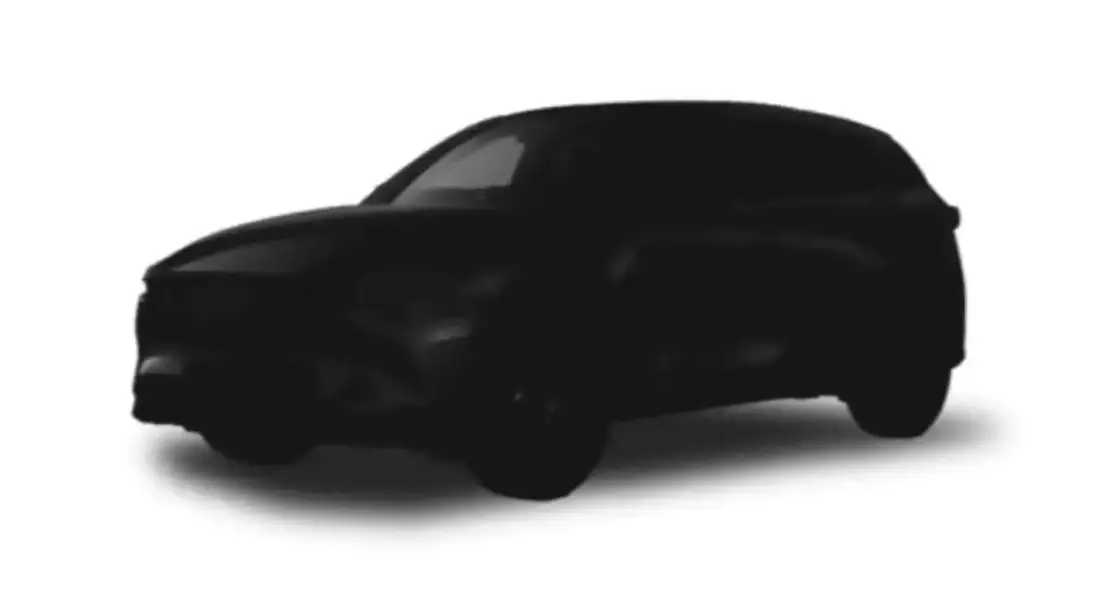
The Mazda CX-3 is once again in the spotlight, not as an old model, but as a brand-new generation small SUV. A camouflaged crossover, identified as the "Next-generation CX-3," appeared in Mazda's recent financial report, confirming the revival of this popular nameplate. This strategic revelation indicates Mazda's dedication to its compact SUV offerings.
Visual Cues from the Teaser: A Modernized Design Philosophy
The initial teaser image showcases a vehicle with a more robust and vertical stance than its predecessor, aligning with Mazda's contemporary design language. Although heavily disguised, the front end appears to incorporate Mazda's Kodo design principles, featuring a bolder grille and sleeker headlights. Specific details regarding lighting elements and trim levels are still under wraps, but the overall impression points to a more refined and modern aesthetic.
Current Market Context and Future Positioning: Adapting to Evolving Demands
Globally, the current CX-3 model is still available in certain markets, such as Australia, where the 2026 CX-3 Pure offers a front-wheel-drive, gasoline-powered option. This existing model provides a foundation for understanding the returning CX-3's role as a global entry-level SUV, positioned beneath larger models like the CX-5. Mazda is actively reshaping its crossover lineup to cater to diverse market needs, with the CX-3 playing a crucial role.
Unanswered Questions: Powertrain, Market Availability, and Strategic Placement
Key information regarding the new CX-3's powertrain options and precise launch timeline remains undisclosed. Mazda's financial documents suggest a potential launch in Japan, Southeast Asia, and other regions starting in 2027, with Thailand eyed as a primary production hub. However, details about engine choices, hybrid variants, or specific releases for the United States have not yet been made public, leaving room for speculation.
Navigating the Competitive Landscape: The CX-3's Role within Mazda's Portfolio
The positioning of the new CX-3 within Mazda's growing SUV lineup is also a topic of discussion. With the CX-30 already bridging the gap between small hatchbacks and the CX-5, and new models like the CX-6e for Europe on the horizon, the CX-3 could either serve as a more affordable entry point or establish itself as a style-driven niche vehicle. Mazda has yet to confirm its definitive strategy, leaving enthusiasts and consumers eager for more information.
Industry Perspective: The CX-3's Potential Impact on the Market
From an industry standpoint, the official confirmation of the next-generation CX-3 transforms it from rumor to reality. Its success will largely depend on Mazda's pricing strategy and the features it offers. Whether it aims to be a value-driven alternative to the CX-30 or a distinct, style-focused offering will significantly influence its appeal to buyers and its standing among dealerships. Until Mazda provides comprehensive details on engines, trim levels, and regional launch plans, this announcement serves as an early confirmation rather than a market-ready unveiling.
