Mazda, a prominent figure in the automotive industry, has made a strategic shift in its future vehicle development plans. Originally setting ambitious targets for electric vehicle (EV) sales, the company is now adjusting its trajectory, opting to delay its next EV launch and concentrate efforts on expanding its hybrid offerings. This recalibration is a direct response to the evolving dynamics of the global automotive market, particularly the uncertainties surrounding EV adoption in key regions like the United States.
Embracing a Hybrid Future: Mazda's Strategic Rethink in Vehicle Electrification
Mazda's Initial Electric Vehicle Journey and Challenges
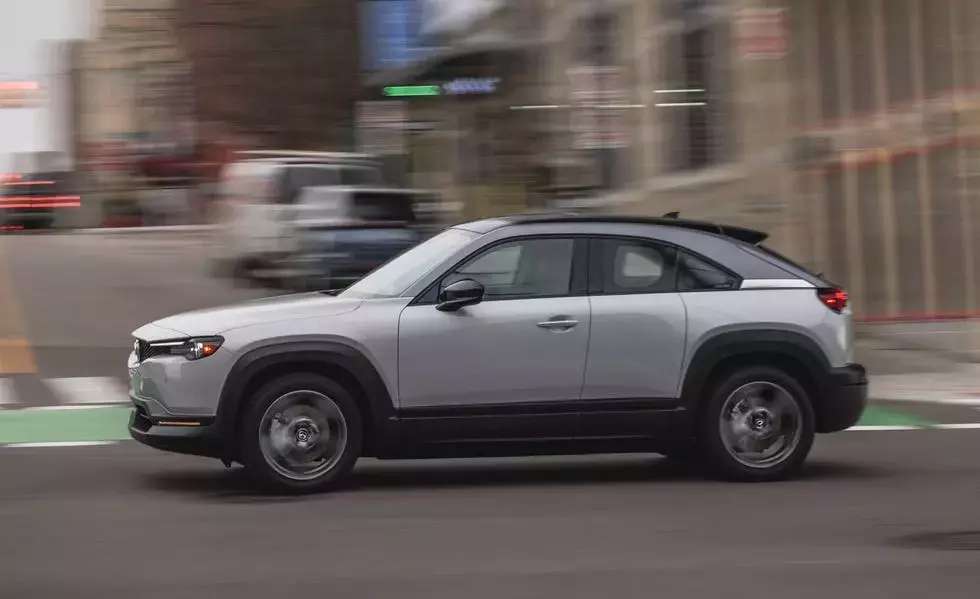
Mazda's initial venture into the American electric vehicle market with the MX-30 was met with limited success. Despite its aesthetically pleasing design, the vehicle's modest 100-mile range, constrained by a compact 30-kWh battery, and its restricted availability to California, hindered its widespread appeal. This early experience underscored the complexities and consumer demands within the burgeoning EV sector, prompting Mazda to re-evaluate its approach to full electrification.
The Postponement of Mazda's Next-Generation EV
Reports from Japanese media, highlighted by Automotive News, confirm that the debut of Mazda's forthcoming electric vehicle has been postponed by approximately two years, now anticipated no earlier than 2029. This delay, reportedly influenced by factors such as trade tariffs and shifts in federal EV tax credits in the U.S., suggests a cautious stance from the automaker. Mazda is currently observing market trends and regulatory landscapes before committing to its next major EV release.
Strategic Prioritization of Hybrid Technologies
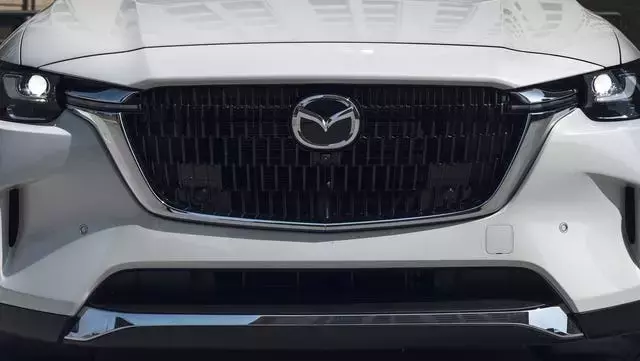
In response to these market conditions, Mazda is strategically re-prioritizing hybrid powertrains. While already offering several hybrid models that incorporate technology from partners like Toyota, Mazda is developing its own four-cylinder hybrid system. This innovative system is slated for integration into its top-selling CX-5 SUV by the 2027 model year, marking a significant step towards leveraging hybrid technology as a cornerstone of its immediate electrification strategy.
Revisiting Electrification Targets
Mazda had previously aimed for electric vehicles to constitute between 25% and 40% of its global sales volume by 2030. However, the company's CEO, Masahiro Moro, has indicated that this target is likely to be adjusted downwards, potentially falling below 25%. This revision reflects a pragmatic response to shifts in U.S. regulatory policies and the unpredictable nature of EV market growth. While technological development continues, the implementation timeline remains flexible, adapting to market realities.
The Future Landscape: Hybrids as a Bridge to Full Electrification
This strategic pivot towards hybrid models is not merely a temporary measure but rather a critical component of Mazda's long-term electrification vision. By focusing on hybrids, the company aims to provide consumers with efficient and accessible eco-friendly options while steadily advancing its EV research and development. This balanced approach allows Mazda to navigate the current market uncertainties effectively, ensuring sustainable growth and continuous innovation in its powertrain technologies.
