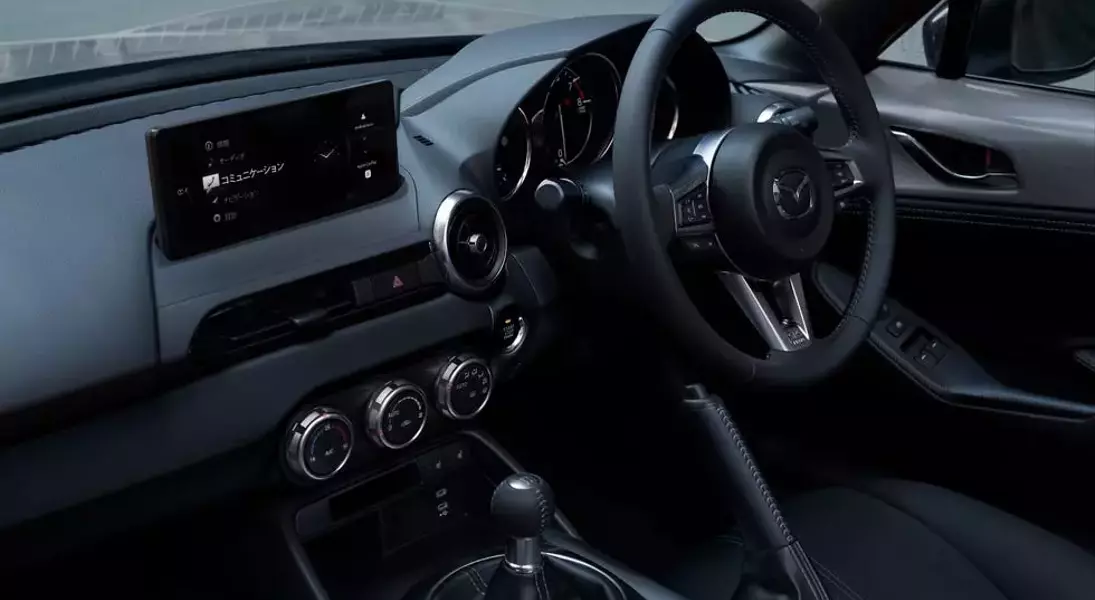
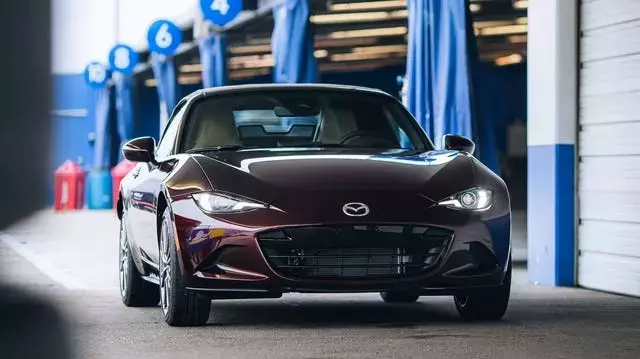
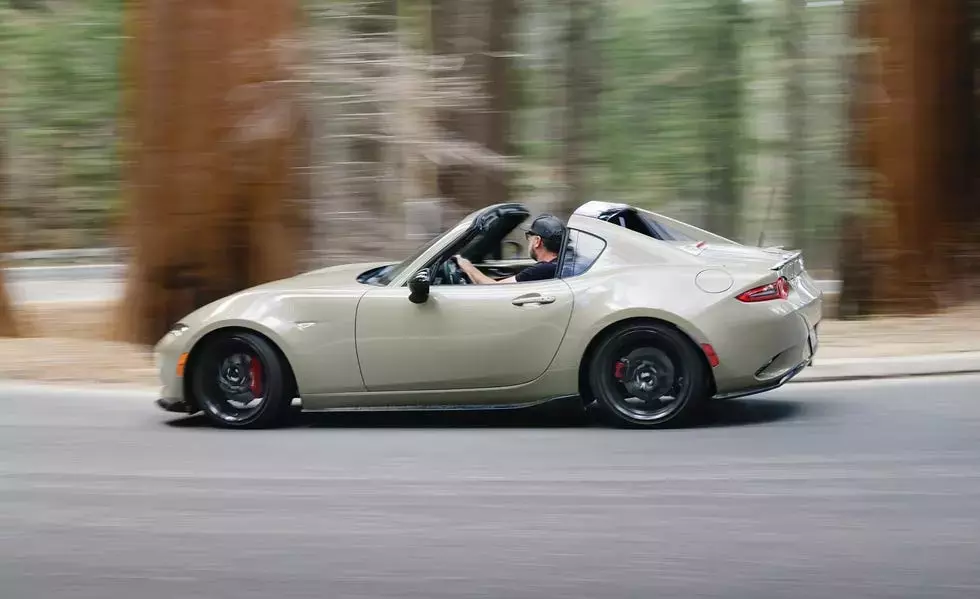
The enduring appeal of the Mazda MX-5 Miata, a car celebrated for its dynamic handling, minimal weight, and accessibility, is being put to the test as Mazda plans its next iteration. This upcoming model, at least a few years from launch, confronts the twin challenges of environmental regulations and preserving its core identity. Mazda's European leadership is actively evaluating diverse powertrain solutions to ensure the Miata remains true to its roots while embracing future mobility trends.
The Future of Driving Pleasure: Miata's Electric Crossroads
The Lingering Question: What Powers the Next Miata?
The current Mazda MX-5 Miata, known internally as the ND, has been a market presence for over ten years, leading to natural questions about its successor. While a new generation is confirmed to be in development, its arrival is not imminent. Discussions with European Mazda executives, reported by the Dutch publication AutoRAI, indicate that the fifth-generation Miata, code-named NE, will likely incorporate substantial modifications to meet evolving emissions standards. A primary focus for Mazda's design head in Europe, Jo Stenuit, is the powertrain, with electrification appearing to be an inevitable component of the next model.
Electrification's Dilemma: Weight Versus Environmental Compliance
Despite the push towards electrification, Mazda is not ready to abandon the internal combustion engine entirely. A hybrid powertrain is seen as a straightforward method to comply with emissions regulations. However, this poses a significant challenge for the Miata's design philosophy. The vehicle's core attributes—fun, lightness, and affordability—are paramount. Adding battery weight for electric assistance, while beneficial for acceleration, directly contradicts the lightweight principle. Stenuit emphasized that if any of these three defining characteristics are lost, it ceases to be a Miata. Even mild hybrid systems, such as those utilizing a 48-volt setup for engine assistance without full electric propulsion, are considered a less ideal option due to the inherent weight increase.
Synthetic Fuels: An Ideal, Yet Challenging, Solution
Ideally, Mazda would prefer to keep the Miata's powertrain free from electrical components, opting instead for an internal combustion engine powered by synthetic fuels. Christian Schultze, Mazda's European head of R&D, views synthetic fuels as the simplest path to reducing the MX-5's emissions. He argues that CO2-neutral fuels would allow the continued use of existing combustion engine technology, avoiding a complete redesign of the car's fundamental concept. This approach aligns with the Miata's heritage while addressing environmental concerns.
The Infrastructure Hurdle for Alternative Fuels
Despite the potential of synthetic fuels, their widespread adoption faces a significant obstacle: a lack of infrastructure. Several automakers, including Porsche, have explored or even begun producing limited quantities of eFuel. However, the absence of a comprehensive refueling network hinders broader market acceptance, creating a classic "chicken and egg" scenario. For a smaller company like Mazda, establishing an engine dependent on synthetic fuels would necessitate a pre-existing and robust infrastructure to support it, a condition currently unmet.
The Inevitable Integration of Electric Power
Ultimately, Mazda anticipates that some form of electrification will be necessary for the next Miata. Stenuit confirmed that a project exploring possibilities for the MX-5 NE in 2024 indicated that the upcoming model would definitely feature electric power assistance. The critical task for Mazda is to integrate this technology seamlessly, ensuring it enhances, rather than detracts from, the Miata's pure, driver-centric experience. Schultze highlights the complexity of finding a technically sound solution that balances performance, weight, and regulatory compliance—a formidable undertaking for the beloved roadster.
