This article provides a critical review of the latest Mazda CX-5 from the perspective of a loyal Mazda owner. It highlights several key areas where the new model fails to meet the expectations set by previous Mazda vehicles, focusing on design, user experience, and performance. The author's personal experience with other Mazda models, such as the Mazda6 and CX-9, serves as a benchmark for evaluating the new CX-5, emphasizing a perceived decline in quality and driver-centric features.
The New CX-5: A Step Backward for Mazda Loyalty
A Loyal Driver's Unsettling Encounter with the Latest Mazda CX-5
For more than a decade, I have been a staunch advocate for Mazda vehicles, deeply appreciating their blend of affordability and engaging driving characteristics. My household proudly operates a 2016 Mazda6 and a 2022 CX-9, and I've frequently recommended the prior generation CX-5 to friends and acquaintances. Most of the brand's recent offerings, barring a few exceptions like the MX-30 EV, CX-90 PHEV, and CX-3, have consistently delivered a satisfying experience. Both my Mazda6 and CX-9 epitomize the qualities that cultivated my loyalty: elegant aesthetics, dynamic handling, thoughtfully designed interiors, and excellent build quality. I even envision adding a Miata or CX-50 to my collection in the near future, underscoring my strong affection for the brand.
The Frustrating Shift to Touchscreen-Dominated Controls in the Latest Model
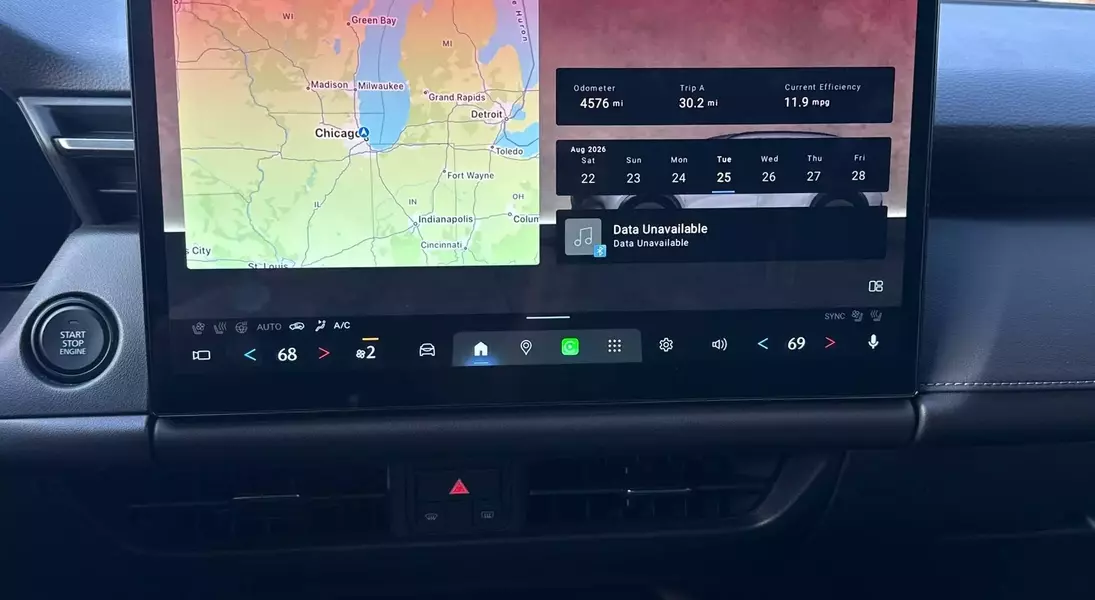
While an update to Mazda's infotainment system was certainly due, the new CX-5's transition to a touchscreen-centric interface feels like a significant regression in usability, rather than an enhancement. Its responsiveness is subpar, and its layout is far from intuitive, betraying the classic Mazda philosophy of user-friendly design. My 2016 Mazda6, despite its older system, offers straightforward physical controls. Similarly, the 2022 CX-9's console-mounted controller, buttons, and knobs, though seemingly traditional compared to the CX-5's large 15.6-inch screen, allow for effortless operation by touch. This design enables me to manage audio, adjust settings, or navigate without the need to reach across the dashboard or engage in a distracting guessing game on a touchscreen, especially crucial when maneuvering through city traffic.
The Unfortunate Decline in Interior Craftsmanship and Material Quality
The interior of the new CX-5, even in its highest Premium Plus trim, starkly contrasts with the refined ambiance of my ten-year-old Mazda6 Touring. While my Mazda6’s cabin maintains a clean, well-organized feel, the previous CX-5 set an even higher standard with its soft-touch materials, luxurious leather seating, and meticulously crafted metal controls, giving it a near-premium status among compact crossovers. Now, the new CX-5's cabin regrettably features lower-grade plastics, less substantial trim, minimal switchgear, and inferior leather upholstery. This shift results in a vehicle that feels less carefully finished, with hard and hollow plastic components that evoke the interior of a much cheaper car, diminishing the emotional connection and perceived value that once characterized Mazda interiors. The matte plastic surrounding the shift knob, devoid of texture or style, even made me yearn for the much-maligned piano black finish.
The Regrettable Exclusion of the Potent Turbocharged Engine Option
Mazda's turbocharged 2.5-liter four-cylinder engine has been a cornerstone of its modern powertrain lineup, lauded for its robust low-end torque. In my CX-9, this engine effortlessly delivers a responsiveness that belies its size, making everyday driving scenarios like highway merging, overtaking, and climbing hills feel smooth and confident, even with a full load of passengers. The decision to omit this excellent turbocharged option from the new CX-5 is perplexing, especially given that the naturally aspirated 2.5-liter engine in the new model is actually less fuel-efficient than its predecessor, nullifying any potential efficiency argument. While a naturally aspirated base engine might suffice for some, and hybrid options could enhance efficiency, the absence of the turbo engine removes a crucial element that aligned the CX-5 with Mazda's enthusiast-friendly image, transforming it from a merely pleasant compact crossover into a vehicle with genuine performance appeal.
A Disappointing Trajectory for a Once-Iconic Model
The latest iteration of the CX-5 represents a missed opportunity for Mazda to solidify its legacy. The previous model was exceptional, and there was immense potential for the new version to achieve legendary status. However, in pursuing a more mainstream appeal—evidenced by an oversized screen, reliance on touchscreen controls, the removal of the upgraded engine option, and a noticeable reduction in interior quality—Mazda has, in my view, diluted the very essence that made the brand famous. I sincerely hope that Mazda reevaluates these choices and addresses these shortcomings in future models, as I currently find it difficult to recommend the new CX-5, especially to those who have cherished the brand's previous offerings.
