
Navigating the complexities of retirement planning often highlights the pivotal role of Social Security. For a significant portion of the population, these benefits are not merely supplementary but are integral to their financial well-being during their golden years. A proactive approach to understanding and optimizing these entitlements is therefore paramount for securing a comfortable future.
Unlock Your Retirement Potential: Mastering Social Security Benefits
Understanding the Cornerstone of Retirement Income: Social Security's Role
A substantial majority of American adults rely heavily on Social Security as a primary income source during their retirement. Projections indicate that even a minor disruption to these monthly payments could lead to severe financial distress for many. Therefore, it's imperative to meticulously plan your retirement strategy around these expected benefits, irrespective of how many working years you have ahead.
Accessing Your Future Benefits: A Simple Yet Crucial Step
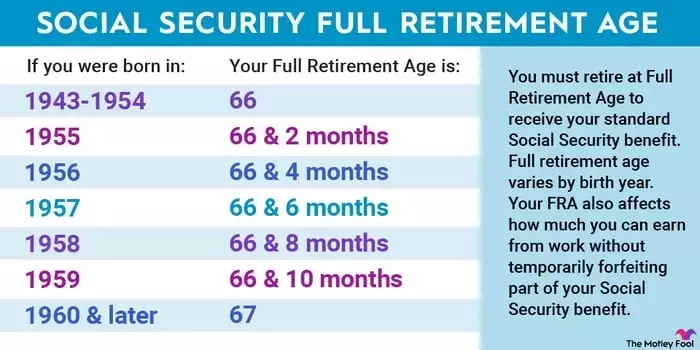
If you've contributed to the Social Security system through your employment for a minimum of ten years, you are likely already entitled to retirement benefits. Although eligibility for claiming begins at age 62, obtaining an estimated benefit amount is accessible through your online Social Security account. This personalized estimate, based on your documented earnings, provides a clear picture of what you might receive if you begin claiming at your full retirement age, typically between 66 and 67 years old, depending on your birth year.
The Impact of Timing: How Age Shapes Your Payments
The estimated benefit detailed in your statements reflects the amount you'd receive at your full retirement age. However, the exact sum of your monthly checks will fluctuate considerably based on whether you initiate claims before or after this designated age. Opting to claim benefits as early as 62 can result in a reduction of up to 30% for the remainder of your life. Conversely, delaying your claim beyond your full retirement age, up to age 70, can yield a bonus of at least 24%, significantly boosting your monthly income. Recognizing these implications is crucial for strategic financial planning.
Strategic Decisions: When to Claim Your Social Security Benefits
The decision of when to begin receiving Social Security benefits is a deeply personal one, with no universal right answer. For some, deferring claims until age 70 might be the most advantageous path, maximizing their monthly income. For others, an earlier claim could offer greater flexibility and enjoyment of retirement. For instance, individuals focused on increasing their monthly income may find waiting beneficial, whereas those prioritizing an earlier retirement may choose to claim sooner.
Data from December 2024 reveals that the average retired worker could receive approximately $807 more per month by waiting until age 70 compared to claiming at age 62. For retirees facing tight budgets, even a one or two-year delay can substantially improve their financial standing. Conversely, individuals with considerable personal savings might opt for early claiming, allowing them to retire sooner and potentially extend the longevity of their personal funds. This choice also benefits those with health concerns or a shorter life expectancy, providing more immediate access to funds during their active retirement years. Ultimately, knowing your estimated benefit is the foundational step for any informed retirement planning, enabling you to align your expectations with your financial reality.
