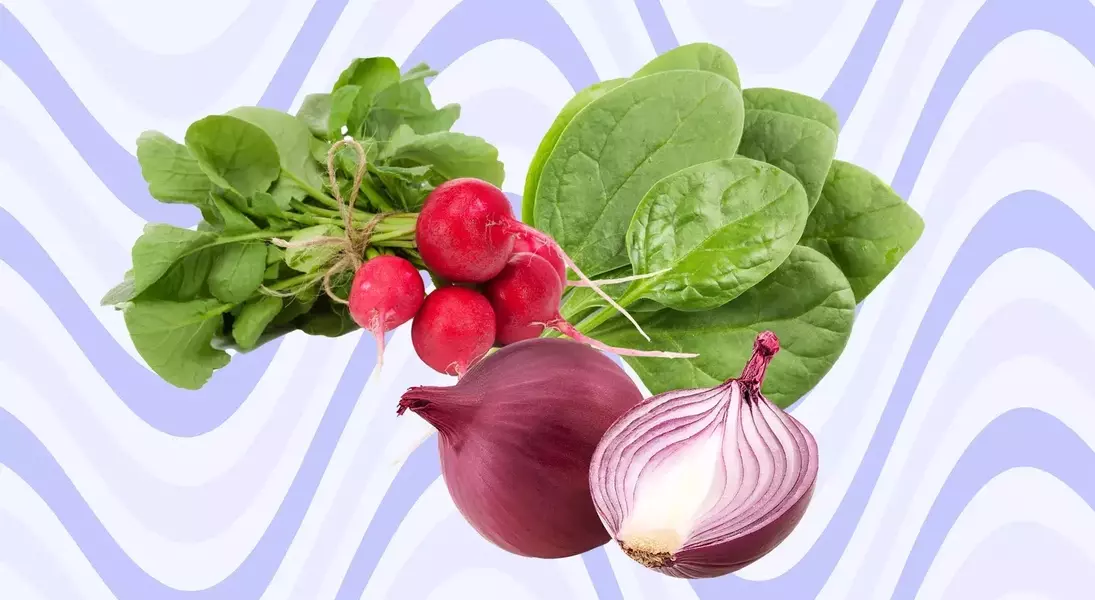
When it comes to culinary practices, not all foods benefit from heat. Certain ingredients, surprisingly, retain more of their vital nutrients and beneficial compounds when consumed in their natural, uncooked state. This approach not only streamlines meal preparation but also ensures you're harnessing the full spectrum of their health-promoting properties.
For instance, dairy items like yogurt, known for their probiotic content, lose their live bacterial cultures when subjected to high temperatures, impacting gut health. Similarly, leafy greens such as spinach are susceptible to nutrient degradation, with significant amounts of heat-sensitive vitamins and folate being lost during cooking. The pungent yet health-boosting sulfur compounds in onions, celebrated for their anti-cancer and antimicrobial qualities, are also compromised by heat. Furthermore, citrus fruits, rich in vitamin C and flavonoids, and crisp radishes, valued for their vitamin C and peppery flavonoids, all demonstrate a superior nutritional profile when enjoyed raw. These examples underscore how simply avoiding cooking can preserve the integrity and potency of these foods.
Embracing a varied diet that includes both raw and cooked components is key to holistic nutrition. While some foods shine brightest when served uncooked, enjoying a diverse array of fresh produce prepared in different ways contributes to overall well-being. By thoughtfully integrating these raw options into your meals, you empower your body with a broader range of nutrients, supporting vitality and long-term health. This conscious approach to eating celebrates the inherent goodness of food, encouraging a balanced and nourishing lifestyle.
