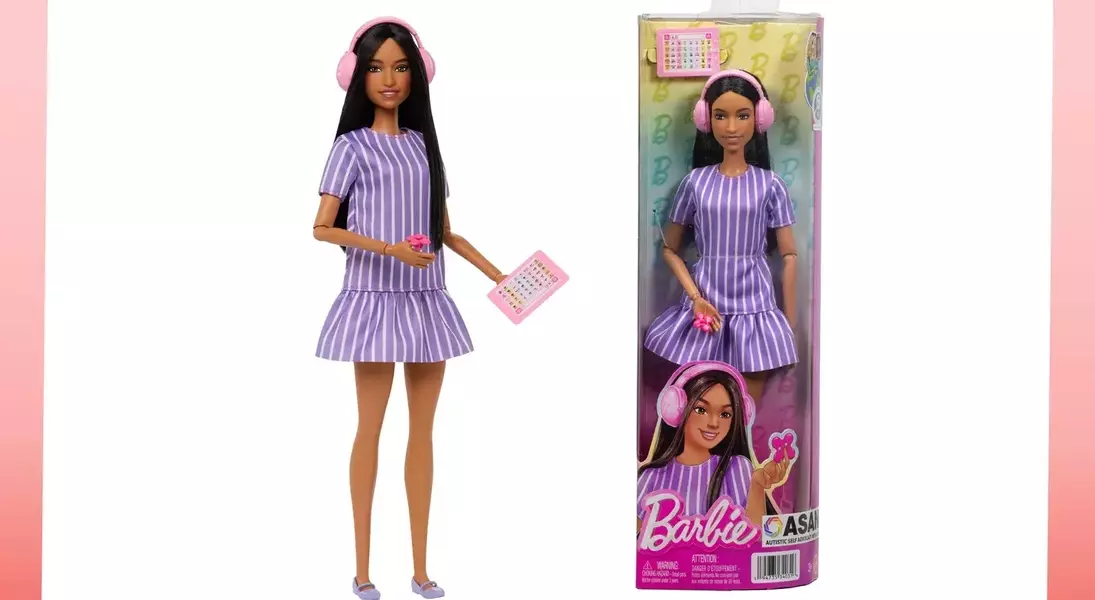
Mattel is taking a significant step towards fostering inclusivity in the toy industry by launching its first Barbie doll designed to represent autistic individuals. This groundbreaking initiative, developed in partnership with the Autistic Self Advocacy Network (ASAN), underscores a commitment to reflecting diverse experiences in children's play. The doll's design incorporates sensory-sensitive features and communication tools, aiming to empower autistic children and educate others about neurodiversity. This move not only enriches the Barbie Fashionistas line but also promotes empathy and understanding across all children, highlighting the importance of seeing oneself and others in the world of toys.
The introduction of this new Barbie is more than just a toy; it is a powerful statement about representation and acceptance. By collaborating with autistic voices and incorporating their lived experiences into the design, Mattel is creating a doll that truly resonates with the community it aims to represent. This initiative extends beyond the product itself, involving advocacy and educational outreach to promote a more inclusive understanding of autism. Through this doll, Mattel hopes to encourage dialogue, reduce stigma, and build a more inclusive society where every child feels seen, valued, and empowered.
Thoughtful Design for Authentic Representation
The creation of Mattel's new autistic Barbie doll involved a meticulous process of collaboration with the Autistic Self Advocacy Network (ASAN), an organization led by autistic individuals. This partnership ensured that every design aspect of the doll authentically reflects the unique experiences and communication styles of people with autism. From subtle facial expressions to adaptive accessories, the doll is a testament to the power of inclusive design. These features are not merely aesthetic; they are functional elements that resonate with the daily lives of many autistic children, providing them with a sense of recognition and belonging in their play experiences.
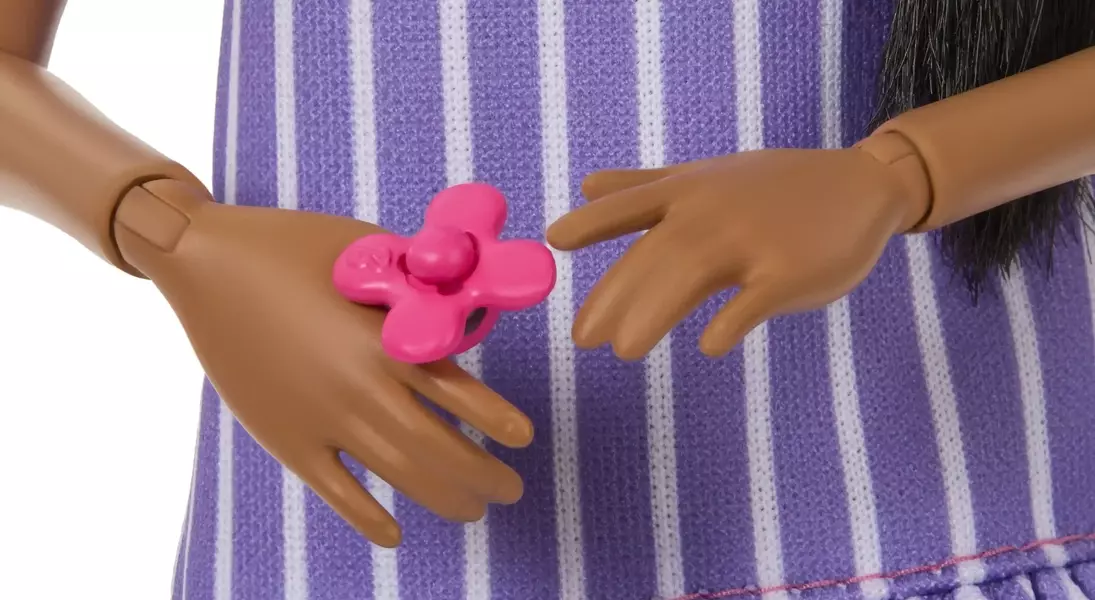
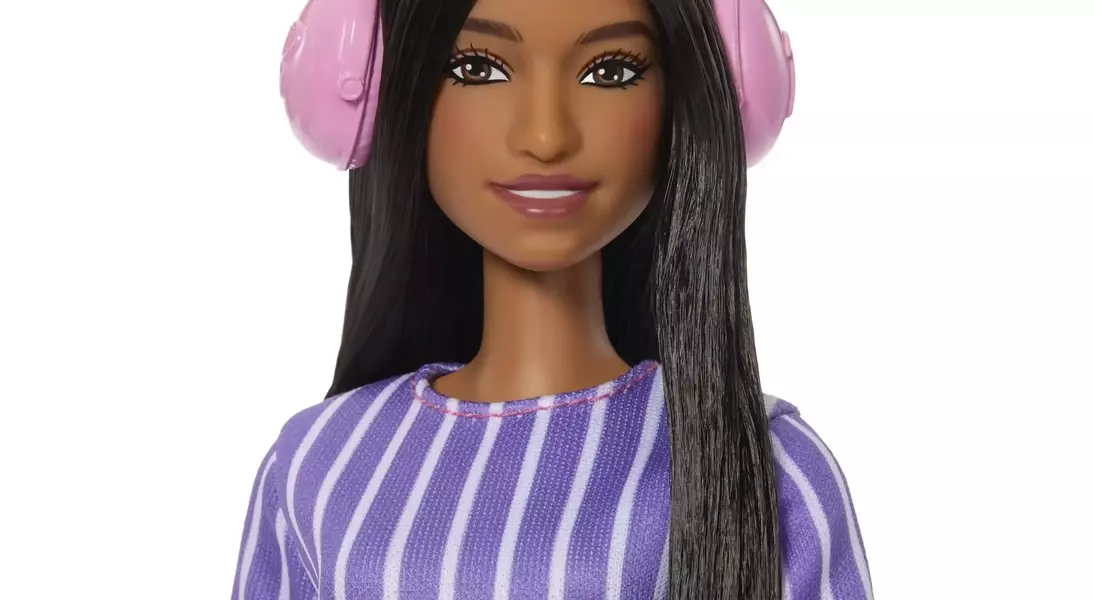
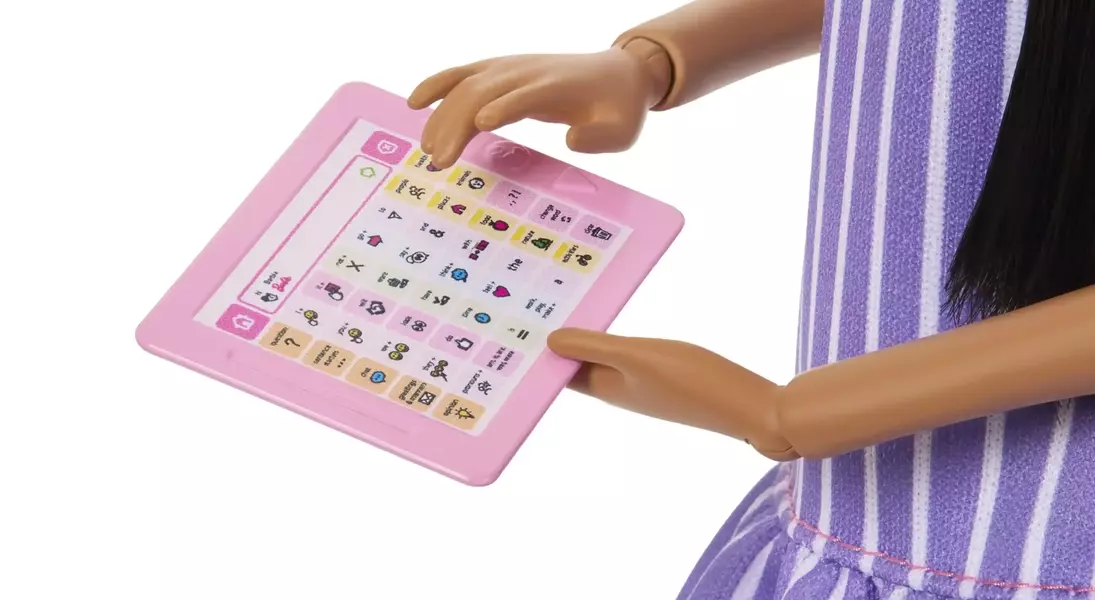
The doll's design includes several distinctive features aimed at promoting accurate representation. Her gentle side gaze acknowledges that some autistic individuals may avoid direct eye contact, a common communication style. Special articulation in the elbows and wrists allows for expressive hand gestures, such as hand flapping, which is a self-regulating behavior used by some autistic people. Additionally, the doll comes with accessories like pink noise-canceling headphones to help manage sensory overload, a finger clip fidget spinner for anxiety relief and focus, and a communication tablet featuring symbol-based Augmentative and Alternative Communication (AAC) apps. Even the doll's loose-fitting, pinstripe A-line dress and flat-soled Mary Janes were chosen for comfort and stability, reflecting sensory-sensitive preferences. These details work together to create a doll that is not only inclusive but also deeply thoughtful and empowering.
Fostering Empathy and Inclusion Through Play
Beyond its innovative design, the autistic Barbie doll serves as a powerful tool for fostering empathy and inclusion among all children. By allowing children to engage with a doll that embodies neurodiversity, the toy encourages a deeper understanding and acceptance of different ways of being. Research has shown that doll play can stimulate areas of the brain associated with social processing and empathy, making this new Barbie an invaluable resource for developing crucial social skills. This initiative goes beyond simple representation; it actively promotes a more compassionate and understanding generation.
To amplify its impact, Mattel is partnering with influential advocates from the autism community, such as Precious and Mikko Mirage Hill, Madison Marilla, and Aarushi Pratap. These collaborations include videos sharing personal autism journeys, further enriching the educational aspect of the doll. Furthermore, Mattel is donating over a thousand autistic Barbies to pediatric hospitals, ensuring that children on the spectrum have access to toys that reflect their experiences and promote comfort and confidence. This multifaceted approach highlights Mattel's commitment to building a more inclusive play environment and ultimately, a more accepting society, where all children can connect, learn, and thrive through play.
