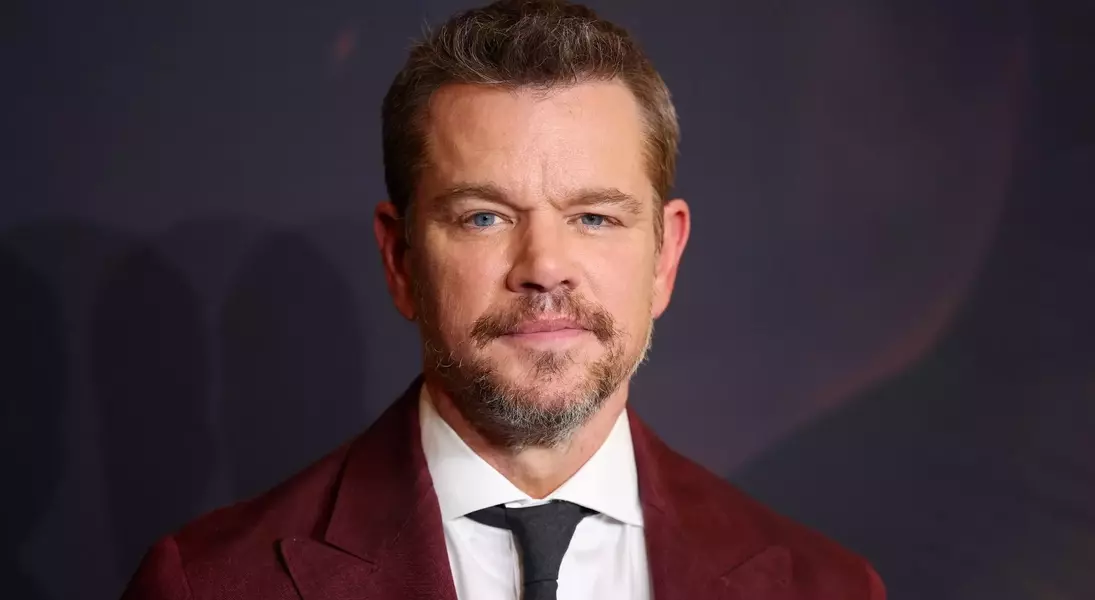
Renowned actor Matt Damon recently embarked on a retrospective cinematic exploration within the esteemed Criterion Closet, offering fans and film enthusiasts a unique glimpse into his personal influences and professional insights. Following his prominent performance as Odysseus in Christopher Nolan’s highly anticipated film, “The Odyssey,” which has garnered significant box office success and Oscar buzz, Damon took a moment to reflect on pivotal works that have shaped his career and perspective. His journey through the Criterion collection unveiled not just a selection of beloved movies but also profound lessons gleaned from collaborations with celebrated directors such as Steven Soderbergh, Kenneth Lonergan, and Gus Van Sant, underscoring a consistent theme of artistic growth and the courage to innovate.
Damon’s visit to the Criterion Closet, a well-known segment for actors and filmmakers to discuss their favorite films, commenced with an impromptu selection process. He began by discussing René Clément's 1960 crime thriller, “Purple Noon,” an adaptation of Patricia Highsmith’s “The Talented Mr. Ripley.” Interestingly, Damon, who starred in Anthony Minghella's 1999 rendition of the same story, revealed that he intentionally avoided watching “Purple Noon” prior to his own project. This strategic decision, supported by Minghella, aimed to prevent pre-conceived notions from influencing their unique interpretation. Instead, Minghella directed him to watch “Knife in the Water” to grasp the visual aesthetic and boating sequences pertinent to their film, a testament to the meticulous preparation involved in his acting process.
Moving on, Damon picked up Steven Soderbergh's critically acclaimed film “Traffic,” a movie that holds special significance for him. Having collaborated with Soderbergh on numerous occasions, Damon expressed immense admiration for the director's multi-faceted talent as an editor, director, cinematographer, and camera operator. He highlighted Soderbergh’s distinctive method of cutting daily footage and sharing it with the cast, allowing them to witness the film's evolution in real-time. Damon recalled Soderbergh's post-Oscar win for “Traffic,” where the director expressed reluctance to replicate such a monumental undertaking, a sentiment Damon interprets as a powerful reminder for creatives: to never rest on past successes but to constantly seek new challenges and avoid creative stagnation, a philosophy he frequently discussed with Soderbergh himself.
The cinematic journey continued with Damon’s quest for Kenneth Lonergan’s “You Can Count on Me,” a film he described as "impossible to find." This movie served as Damon's introduction to Lonergan's work, eventually leading him to produce “Manchester by the Sea,” which starred his longtime friend Casey Affleck. Damon passionately spoke about the film’s profound beauty and his long-standing desire to share it with his children, noting the difficulty even Lonergan himself has in locating a copy. His selections further included Gus Van Sant’s “Drugstore Cowboy,” a film he first saw in Harvard Square. Damon recounted Matt Dillon's initial strong reaction to the rough cut and how this experience made Van Sant hesitant to show the early version of “Good Will Hunting.” This anecdote beautifully illustrates the often-unpredictable nature of the creative process and the importance of trust between director and actor. Damon and Ben Affleck’s “Good Will Hunting,” directed by Van Sant, famously earned them Oscars for best screenplay, solidifying their collaborative success. Damon also revisited Van Sant's “My Own Private Idaho,” particularly recalling a powerful monologue by River Phoenix, which led to a deeper discussion with Van Sant about trusting an actor's instincts and fostering a collaborative environment where artists are empowered to contribute authentically.
Finally, Damon touched upon other influential films such as Carl Franklin's “One False Move,” a shared favorite with Ben Affleck, and “No Country for Old Men,” where he drew inspiration from Tommy Lee Jones’ accent for his role in “True Grit.” He also acknowledged the classic “Double Indemnity” among his varied inspirations. These diverse selections not only underscore Damon’s broad cinematic palate but also his continuous pursuit of growth and learning from the rich tapestry of film history, revealing a thoughtful artist committed to pushing boundaries in his craft.
