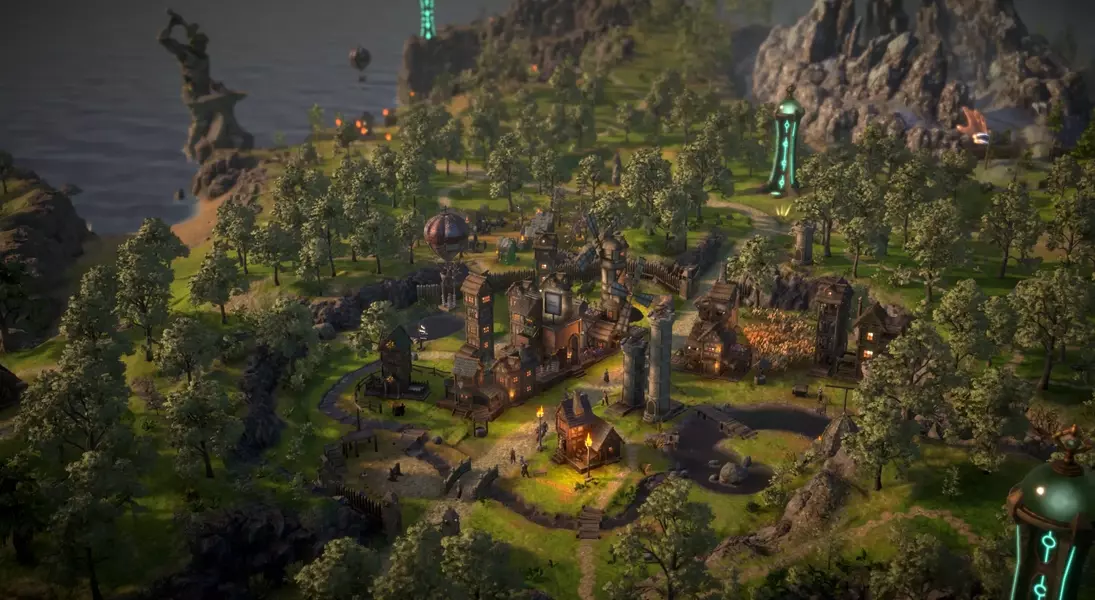
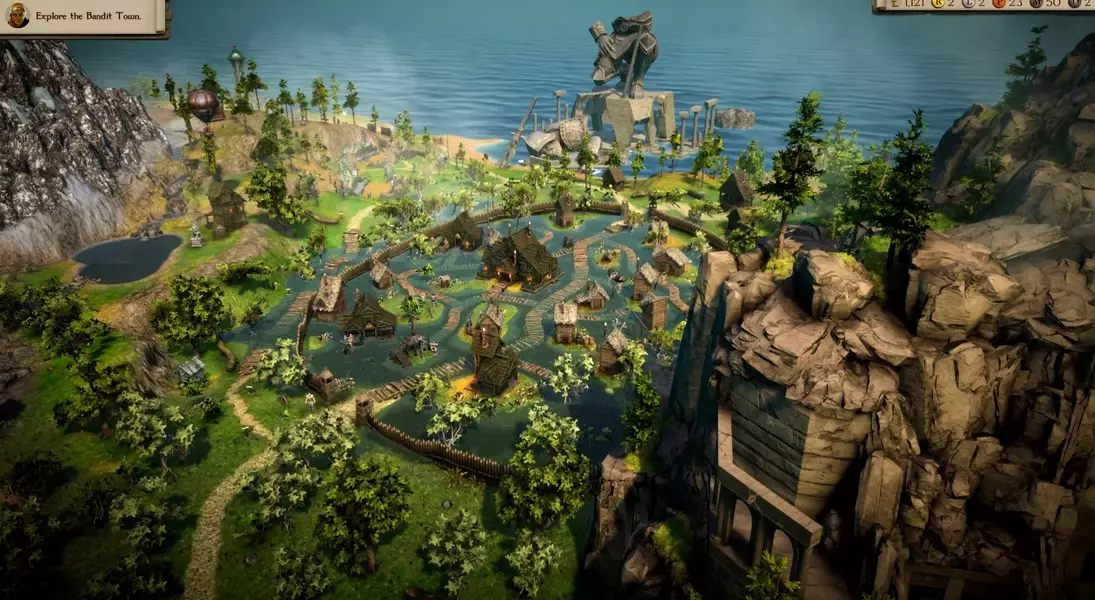
Initially, I found it challenging to endorse Masters of Albion to the majority of PC gamers. The game, at its initial release, felt somewhat underdeveloped, even for an early access title. While it featured many elements typical of god games, such as construction, settlement management, production, and combat, along with the iconic 'god hand,' the depth of these systems quickly became apparent. Repetitive production tasks, monotonous nighttime cycles, and limited interactions with the god hand meant the experience, though reminiscent of Molyneux's earlier masterpieces like Dungeon Keeper, Black & White, and Fable, often left players wanting more complex and varied gameplay. Molyneux himself characterized the original launch as merely a 'preliminary sketch,' which is not uncommon for an early access game. However, when a game attempts to blend various genres, each with its own established core loop, it becomes more difficult to engage players if these integrated systems are not fully realized from the outset.
Masters of Albion: 'New Beginnings' Update Revitalizes God Game Experience
Peter Molyneux's Masters of Albion has unveiled its "New Beginnings" update, a substantial overhaul designed to elevate the gameplay experience. This update, released today, introduces critical enhancements that address earlier limitations, aiming to captivate players with the nostalgic allure of classic god games.
A significant highlight of the update is the dramatic improvement in engine performance. As Molyneux noted, the game's average frame rate has surged from a target of 30 frames per second to a remarkable 60-80 frames per second. This optimization promises a "super slick and smooth" experience, crucial for player immersion and responsiveness.
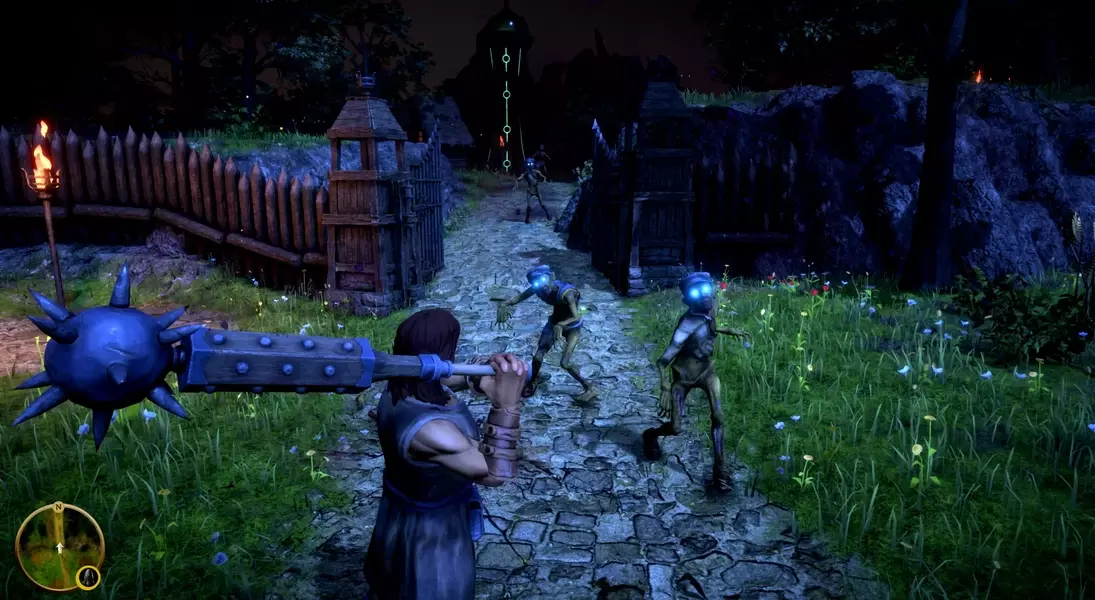
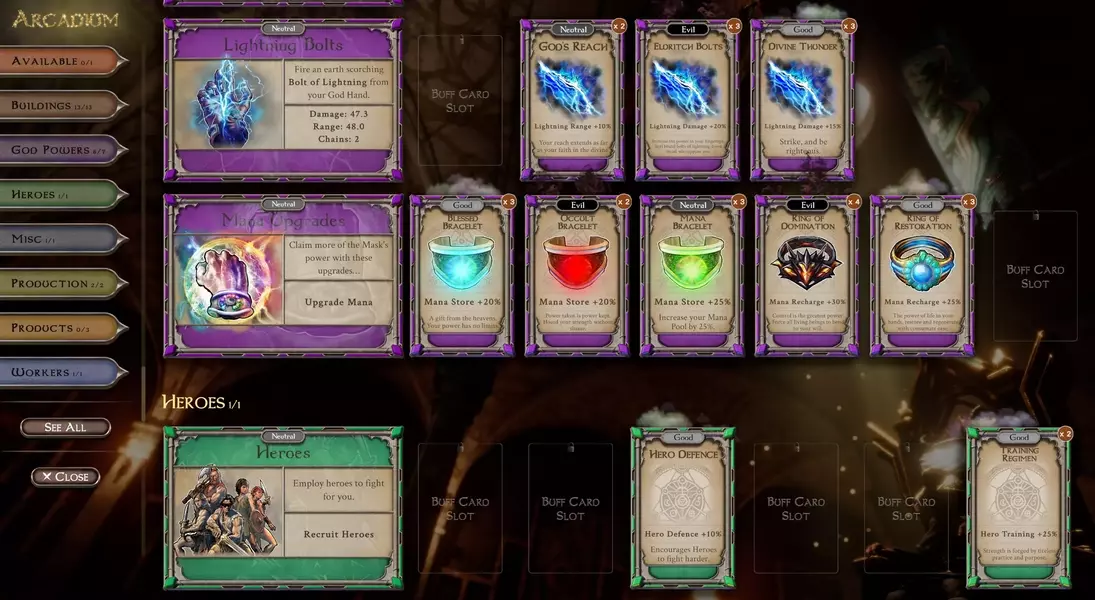
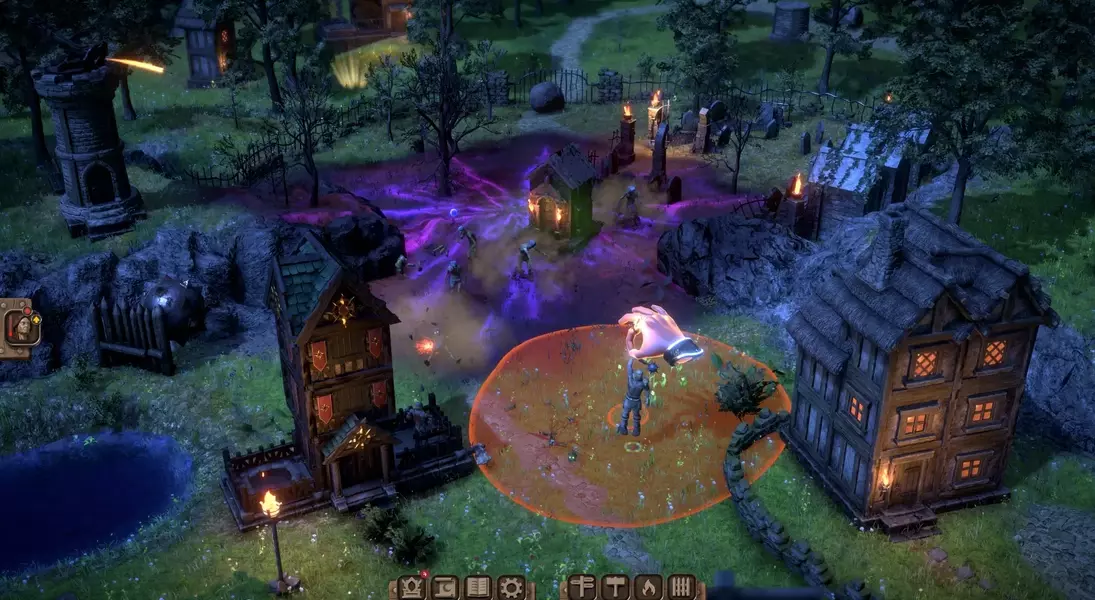
Nighttime gameplay has been meticulously re-envisioned. Previously, players found themselves merely enduring the night, focused on survival. Now, a dynamic 'buff' system has been introduced. Players earn these buffs, which enhance their divine powers, by successfully and strategically defending their settlements against nocturnal assaults. With over 200 distinct buffs available, this system encourages active engagement and tactical thinking during the night cycles, seamlessly linking day and night activities.
The game's progression system, the 'Arcadium,' has also seen a complete transformation. Gone is the previous tech-tree-like structure, replaced by a more intuitive card-based system. In-game currency is now used to unlock powerful ability cards, such as the 'lightning bolt.' These cards can further be amplified by the buffs acquired from nighttime victories, creating a symbiotic relationship between different gameplay mechanics.
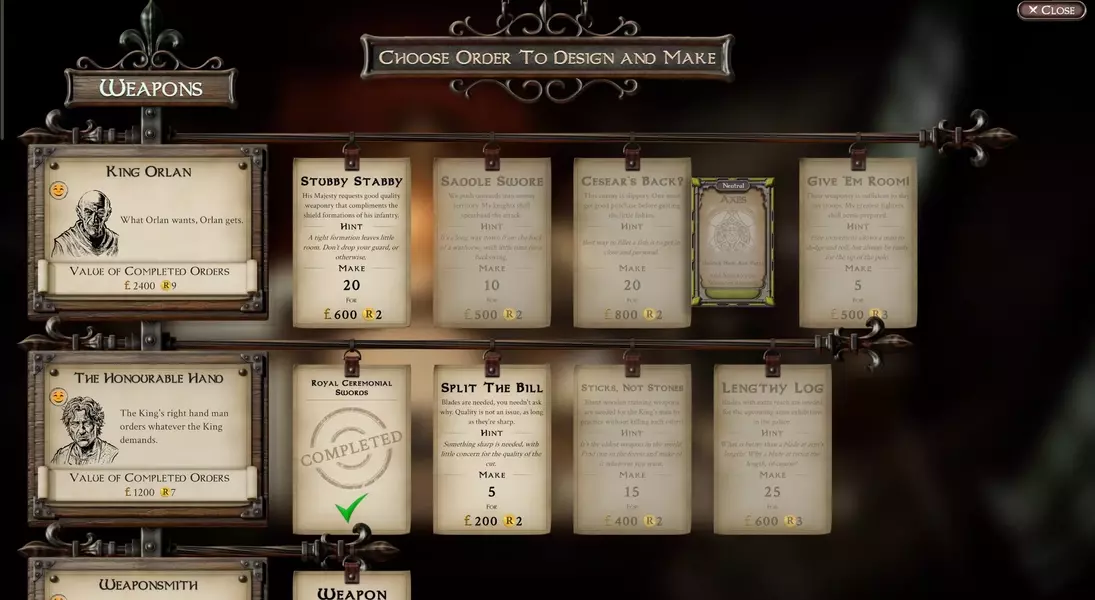
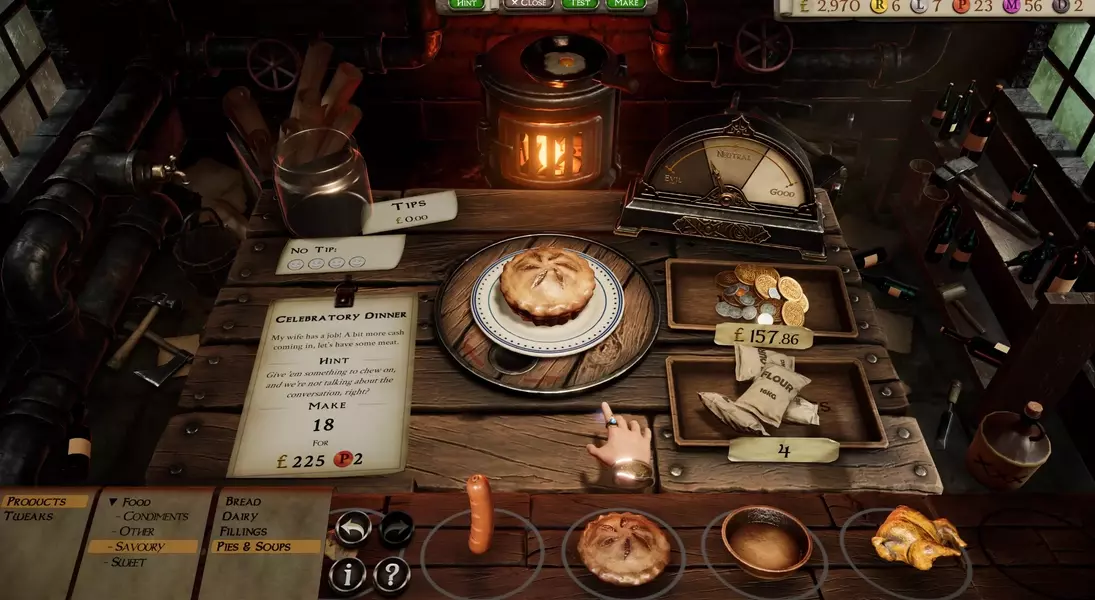
Furthermore, product orders are no longer mundane tasks. The design table, where players craft items, has been thoroughly reworked. Each order now comes with a narrative, fostering an emotional connection and engagement. Players are encouraged to decipher hints within these narratives to earn additional 'tips,' making the act of fulfilling orders more dynamic and rewarding.
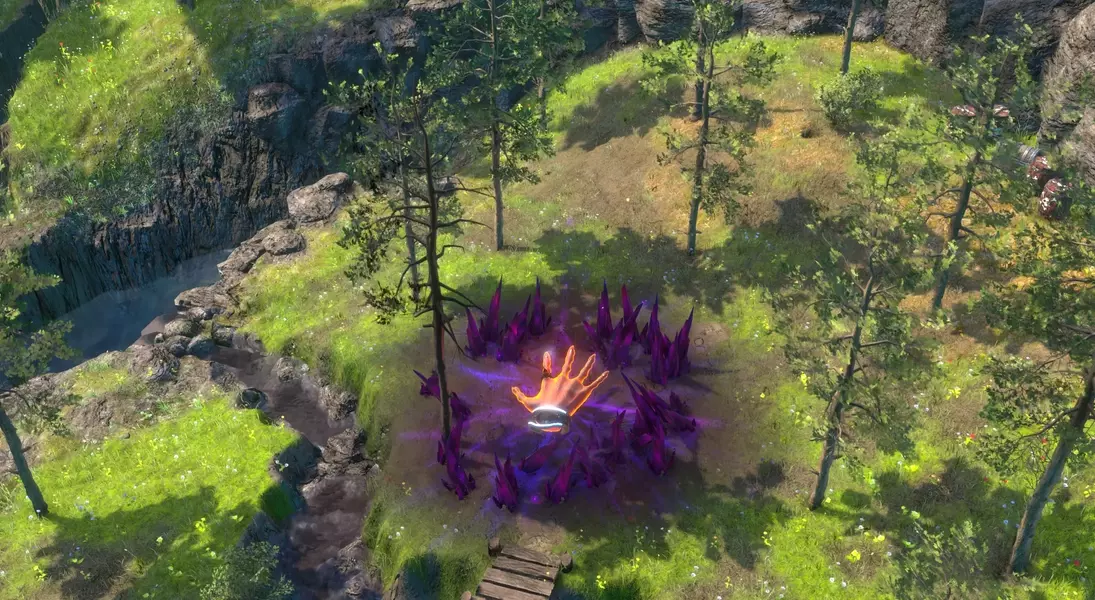
The Orkenstone, a central element in the game's lore, now dynamically alters the landscape. Each night, its power expands, spreading a purple corruption that withers vegetation and cannot be deterred by conventional defenses. However, specific decorative items can be strategically placed to push back this encroaching corruption, adding another layer of strategic depth.
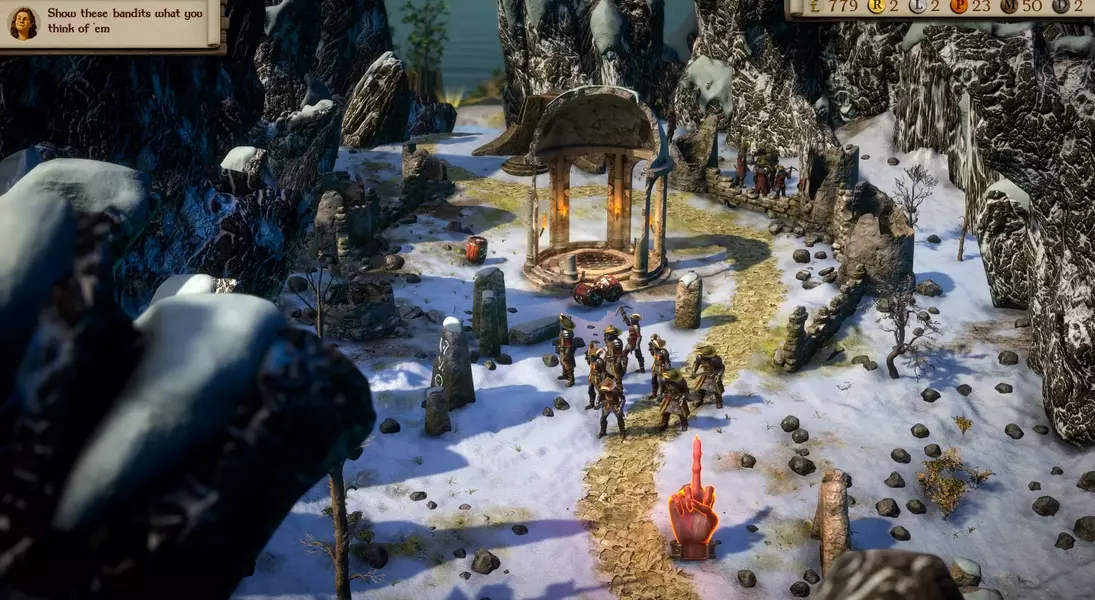
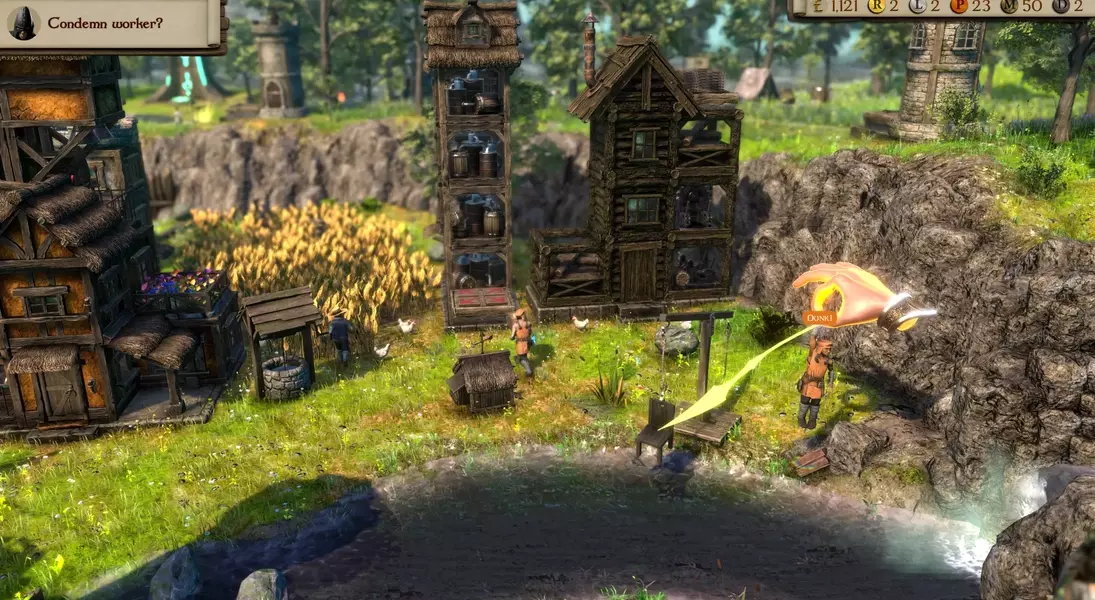
The iconic 'God Hand' has received significant upgrades, expanding its interactive capabilities based on community feedback. Players can now interact with nearly every object in the world, from rustling wheat to moving entire trees. Playful yet impactful interactions include dunking characters in a 'dunking stall' or arranging them on benches to foster relationships, adding a touch of whimsy and control over the world's inhabitants.
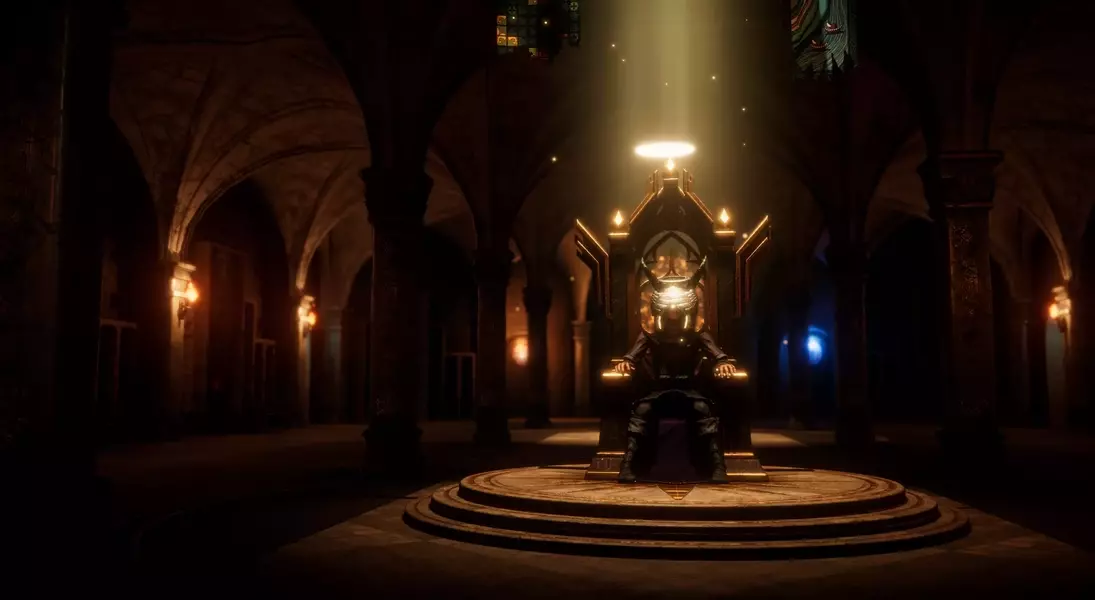
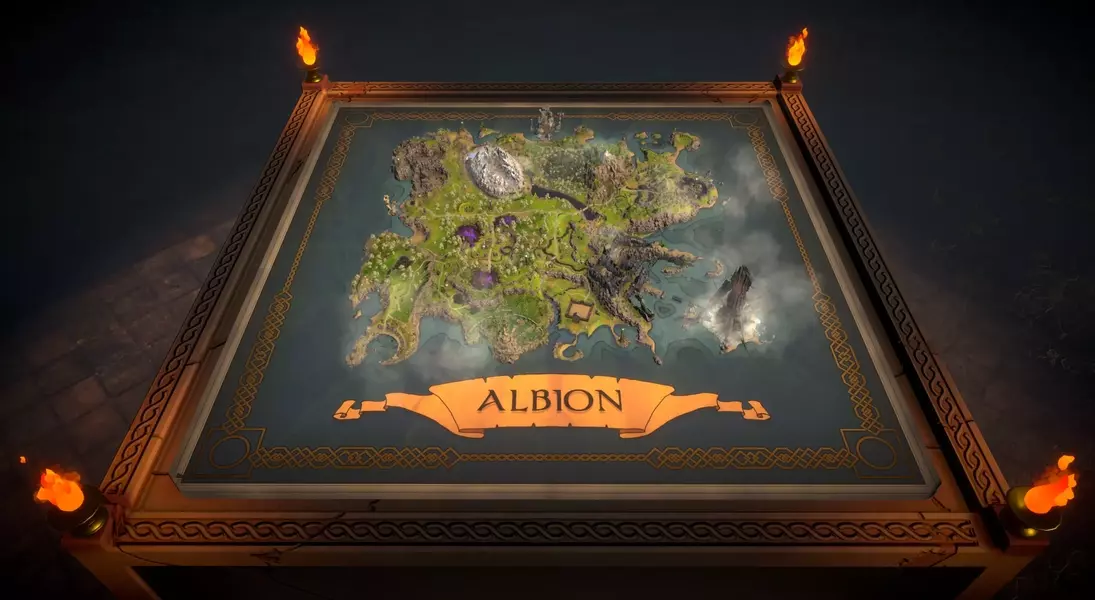
Finally, the game's opening sequence has been entirely re-authored to provide a more engaging and comprehensive introduction to the world of Albion. Additionally, the emergence of "mysterious new colossal structures" across the landscape hints at deeper lore and future content, possibly foreshadowing the return of Black & White-style giant avatars.
This comprehensive update not only refines core mechanics but also injects narrative and strategic depth, making Masters of Albion a compelling experience for both veteran god game enthusiasts and newcomers alike.
This 'New Beginnings' update truly marks a turning point for Masters of Albion. It’s heartening to see Peter Molyneux and his team at 22cans actively listen to community feedback and implement such significant changes. The enhancements, particularly in performance and core gameplay loops, transform what felt like a rough draft into a game with genuine potential. The increased frame rates alone will drastically improve the playability, making interactions feel far more fluid and enjoyable. What truly excites me, however, is the increased depth and interconnectedness of the game's systems. The integration of nighttime buffs with the card-based Arcadium, and the narrative focus on product orders, creates a more cohesive and rewarding experience. This thoughtful evolution suggests that Masters of Albion is on a path to becoming a worthy successor in the god game genre, potentially rekindling the magic that Molyneux's earlier works were celebrated for. The tease of colossal structures and possible giant avatars further fuels anticipation, hinting at a grand future for the game. For fans of strategic and simulation games, especially those who appreciate the unique charm of Molyneux's creations, now is a truly opportune moment to delve into Masters of Albion and witness its exciting evolution.
