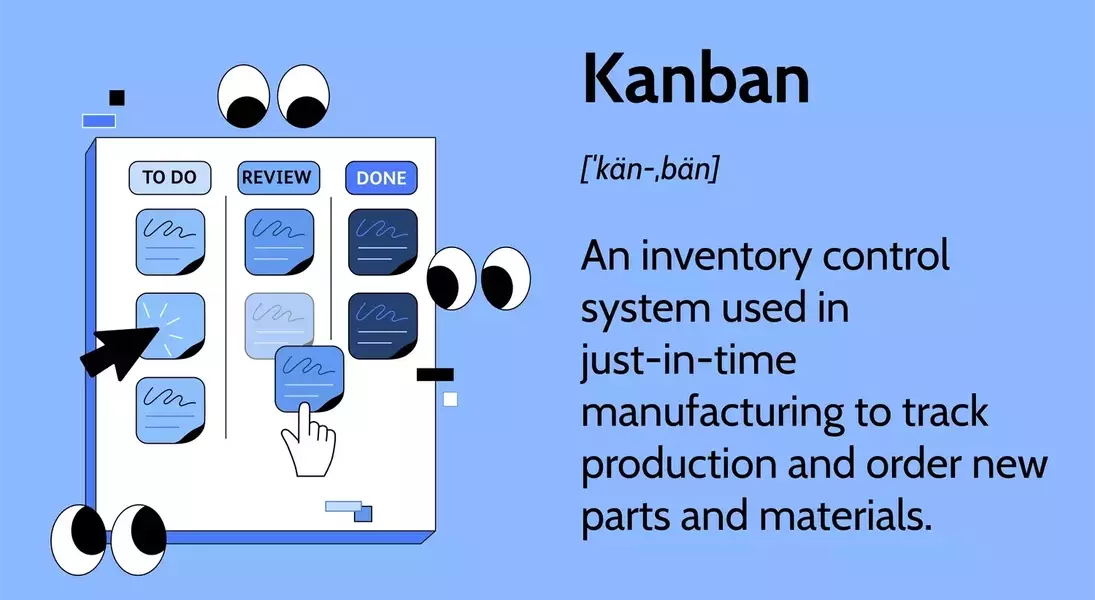
Kanban is an essential system for optimizing production processes. It is a visual management approach derived from just-in-time (JIT) manufacturing, conceptualized by Taiichi Ohno at Toyota. The term 'Kanban,' translating to 'visual card,' encapsulates its core principle: using visual signals to trigger necessary actions and maintain a continuous workflow. This method is crucial for efficiently tracking production and replenishing materials, ensuring seamless operations.
The Kanban system operates on a signal-and-response mechanism, ensuring that resources are ordered and supplied precisely when needed, preventing excessive inventory accumulation. For example, a visual cue, like a card, indicates when an item is low, prompting an order for a specific quantity. This real-time visibility extends to both internal and external suppliers, fostering transparent communication. By setting limits on work-in-progress, Kanban identifies and resolves inefficiencies, ensuring a smooth flow of materials. The system often employs two types of cards: 'T-kanban' for authorizing material movement and 'P-kanban' for initiating production. Successful Kanban implementation relies on company-wide commitment, as each department's timely task completion is vital for overall process transitions.
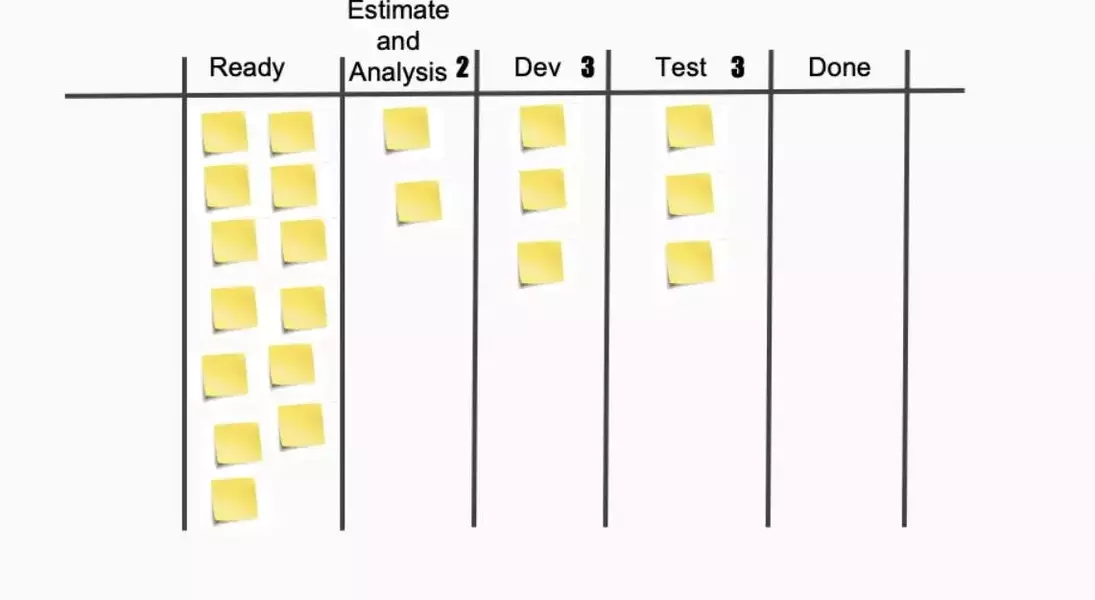
Implementing Kanban involves several key practices, including visualizing workflows, limiting work in progress, and actively managing workflows to preempt bottlenecks. Clear policy definitions ensure every team member understands their responsibilities, while continuous feedback loops facilitate incremental improvements and early problem detection. Enhanced collaboration across teams, often spanning different departments, is also crucial, as tasks broken into small Kanban cards necessitate inter-team reliance and quick issue resolution. Kanban boards, comprising boards, lists, and cards, graphically represent workflows. Boards organize broad aspects, lists detail to-do items within each stage, and cards represent specific, sequential action items. Modern electronic Kanban systems (e-Kanban) further automate these processes, integrating with ERP systems to provide real-time updates and streamline operations.
While sharing efficiency goals with Scrum, Kanban adopts a more adaptive, continuous improvement model rather than time-boxed sprints. It prioritizes analyzing past performance for ongoing adjustments, measuring success through cycle time and throughput. The benefits of Kanban are manifold: increased transparency, faster turnaround times, reduced carrying costs, improved predictability in planning, and ultimately, enhanced customer satisfaction through lower prices and quicker delivery. However, its effectiveness is contingent on process stability and company-wide adoption, as inconsistencies or a lack of full integration with other lean methodologies can hinder its potential benefits. Continuous updating and clear communication are paramount for the Kanban system to operate effectively and prevent bottlenecks.
