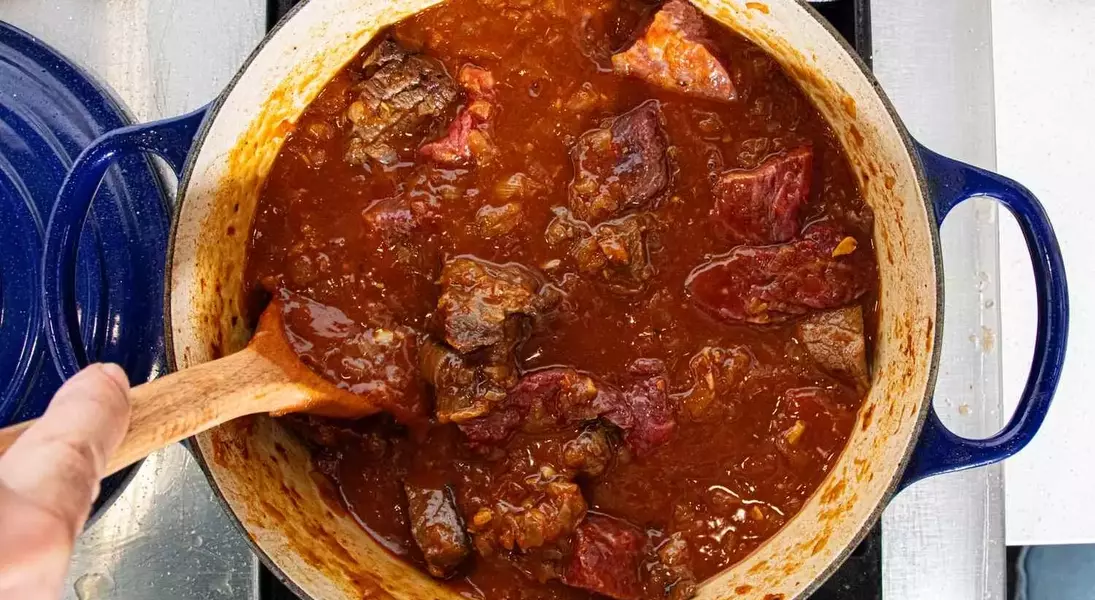
Viennese Beef Goulash, or Saftgulasch, is a classic comfort food that embodies the rich culinary heritage of Central Europe. This dish is far more than just a simple stew; it's a testament to the transformative power of slow cooking, where humble ingredients like beef and onions are coaxed into a profoundly flavorful and tender meal. Rooted in the historical intertwining of Austrian and Hungarian cultures, this goulash offers a unique profile characterized by its generous, velvety sauce and a delicate balance of traditional spices. This guide explores the essential techniques and flavors that make Viennese Goulash a truly exceptional dish, inspired by traditional preparations and designed for a perfect, deeply satisfying result.
Unveiling the Soul of Viennese Goulash: A Symphony of Flavor and Texture
The Essence of Authenticity: Why Viennese Goulash Stands Apart
Goulash, a term often broadly applied in the culinary world, holds a specific and revered meaning in Vienna. Far from a generic meat stew, Viennese Goulash, affectionately known as Saftgulasch or "juicy goulash," distinguishes itself with a rich, unctuous sauce primarily thickened by a generous quantity of slowly cooked onions. This preparation minimizes other aromatic vegetables, focusing on the deep, harmonious flavors of beef, sweet paprika, and subtle hints of caraway and marjoram. It’s a dish that foregoes an explosion of diverse textures for a meditative, comforting warmth, reminiscent of finding solace in a serene, snow-covered landscape.
Selecting the Perfect Cut: Achieving Ultimate Tenderness
The success of any stew hinges on the quality and preparation of its meat. For Viennese Goulash, the goal is exceptionally tender, succulent beef that melts in your mouth without becoming dry or stringy. Cuts from hard-working muscles, rich in collagen, are ideal because they break down into gelatin during long, gentle simmering. This process not only tenderizes the meat but also enriches the sauce with a luscious body. While various cuts are suitable for stewing, beef chuck is highly recommended for its balanced flavor, texture, and affordability. Boneless short ribs are another excellent, albeit more luxurious, option. The key is to simmer the meat just long enough—typically around two hours—to achieve a fork-tender consistency without overcooking, which can lead to a dry and crumbly texture, despite appearing to be "falling apart."
Strategic Searing: Balancing Flavor and Texture in Beef
When preparing a deeply flavored stew, the art of browning meat presents a delicate balance between enhancing taste and preserving tenderness. Searing creates complex, roasted flavors through the Maillard reaction, but excessive browning can toughen the meat. For this goulash, the solution is a strategic approach: only a portion of the beef is seared. This method allows the stew to develop rich, savory undertones from the browned pieces while ensuring that a significant portion of the meat remains wonderfully tender and juicy, contributing to the dish's signature melt-in-your-mouth quality.
The Onion's Secret: Harnessing pH for Perfect Browning and Thickening
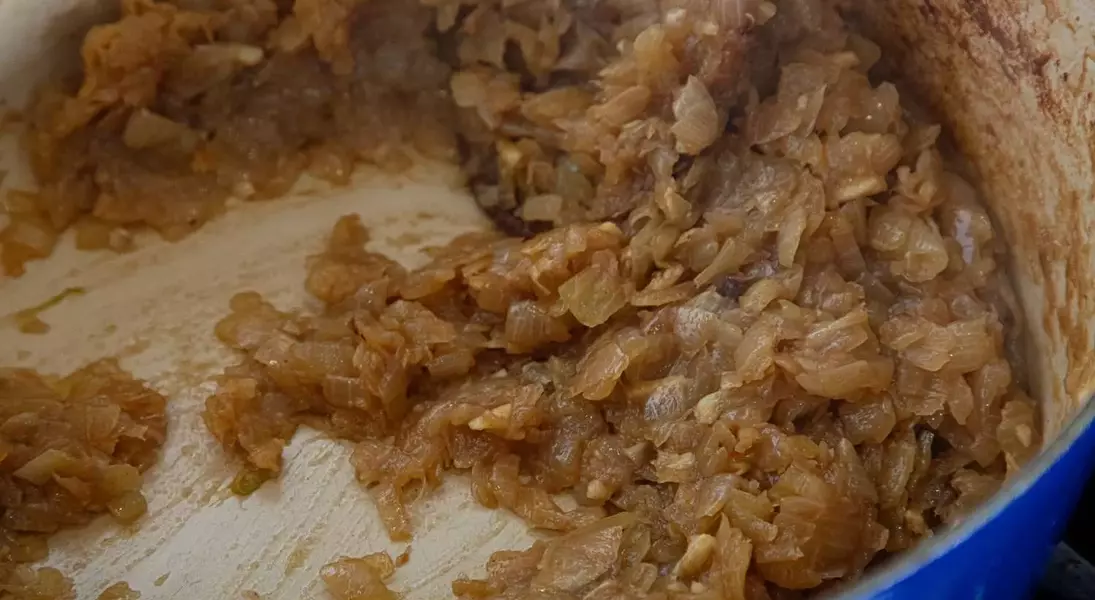
In Viennese Goulash, onions are not merely a supporting actor; they are a co-star, integral to both flavor and the distinctive velvety texture of the sauce. To achieve the desired depth and consistency, onions are sautéed until deeply browned and nearly liquefied. This process is significantly enhanced by a culinary trick: adding a small amount of baking soda. This alkaline agent accelerates the browning reaction and helps the onions break down more rapidly into a natural purée, eliminating the need for extensive cooking times or mechanical blending. While excessive baking soda can impart an off-flavor to caramelized onions on their own, in the context of a robust stew, this effect is imperceptible, contributing only to the desired rich base and thickened sauce.
The Soul of the Stew: Thoughtful Spice Selection
True Saftgulasch is defined by its nuanced flavor profile, which highlights the rich beef and onion base rather than overwhelming it with strong, competing spices. Hungarian sweet paprika is paramount, offering an earthy warmth without heat, though a touch of hot paprika can be added for those who prefer a subtle kick. Beyond paprika, marjoram and caraway seeds are often included. Dried marjoram is favored over fresh, as its milder flavor complements the stew without dominating. These spices are briefly sautéed with the onions and tomato paste before the beef and broth are added, ensuring their flavors fully bloom and integrate into the rich tapestry of the goulash.
Thoughtful Presentation: Simple Elegance for the Palate
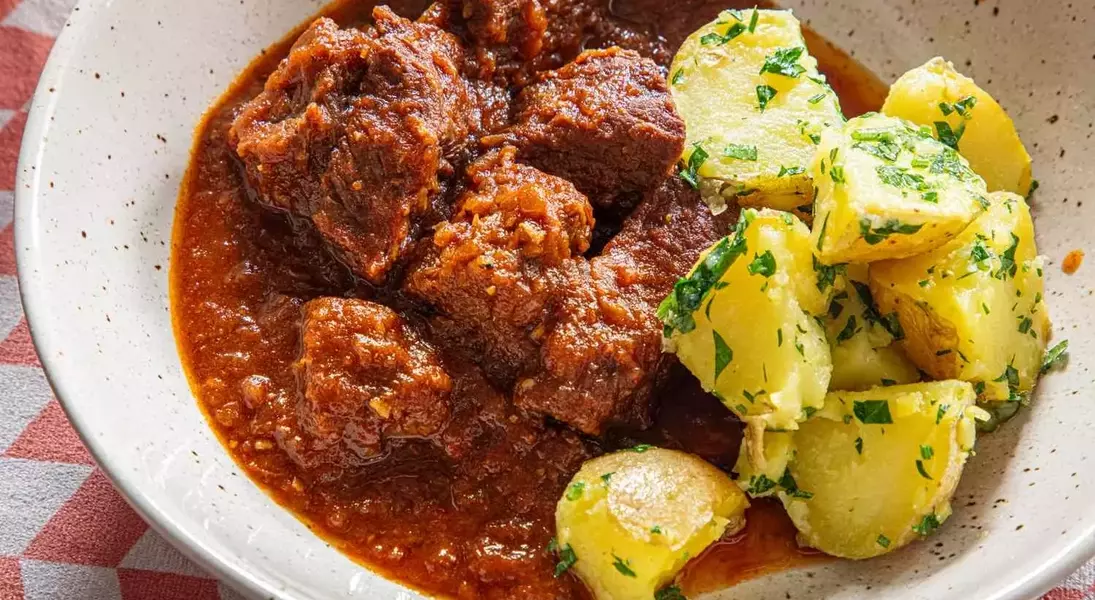
Upon completion, Viennese Beef Goulash requires little embellishment to shine. A judicious splash of cider vinegar can brighten the deep, comforting flavors, adding a subtle counterpoint without making the dish taste overtly acidic. For serving, traditional accompaniments include hearty brown bread, tender boiled potatoes, buttered egg noodles, or substantial Austrian dumplings (knödel). The key is simplicity, allowing the quiet depth and harmonious flavors of the goulash to take center stage, delivering a profoundly satisfying culinary experience.
