This article explores the rising popularity of 'protein stacking' in dietary practices, highlighting its benefits for sustained fullness, cellular repair, and overall physical well-being. It offers practical, delicious strategies to incorporate diverse protein sources into everyday meals, moving beyond conventional single-protein dishes.
Elevate Your Meals: The Art of Protein Stacking for Optimal Health
The Growing Emphasis on Protein Consumption
Many individuals are actively seeking to increase their daily protein intake. A recent study by Circana on American eating habits revealed that almost half of U.S. adults are making conscious efforts to consume more protein, sourcing it from various options like protein bars, whey powders, and traditional chicken dishes.
Why Protein Matters: Expert Insights
Registered dietitian Maggie Michalczyk explains the multifaceted importance of adequate protein. It plays a crucial role in promoting satiety, which helps in feeling full for longer periods. Furthermore, protein provides essential amino acids vital for cell regeneration, muscle maintenance, and the health of skin, hair, and nails, contributing to overall physical strength.
Understanding Protein Stacking: A Modern Dietary Trend
The concept of protein stacking, or layering, has recently gained traction, particularly on social media platforms like TikTok. This approach involves integrating multiple protein sources into a single dish rather than relying on just one. While a contemporary trend, the underlying principle is deeply rooted in classic culinary traditions, as seen in dishes like oyakodon (chicken and egg rice bowl) or mapo tofu (tofu with ground meat).
Dietitian's Endorsement: Enhancing Meals with Protein Stacking
Michalczyk advocates for protein stacking as an effective strategy to significantly increase protein content in meals and snacks throughout the day. This method ensures a more consistent protein intake, preventing over-reliance on a single large meal to meet daily needs. Beyond nutritional benefits, protein stacking also enriches the flavor and texture of dishes. For instance, incorporating cottage cheese into scrambled eggs not only adds protein but also imparts a pleasant tanginess and creaminess.
Innovative Culinary Combinations for Protein Enrichment
This section delves into creative ways to enhance your meals through protein stacking. By thoughtfully pairing different protein sources, you can boost both the nutritional value and the sensory appeal of your dishes.
Cottage Cheese Meatballs: A Flavorful Protein Boost
Building on a social media viral sensation, these meatballs combine ground beef with cottage cheese, creating a juicier and more flavorful experience without altering the beef's natural taste. Cottage cheese is a versatile ingredient that can be added to both sweet and savory recipes to increase protein content. An example is a creamy berry smoothie, perfect for utilizing any leftover cottage cheese.
Sheet-Pan Chicken Souvlaki: Layering Lean Proteins
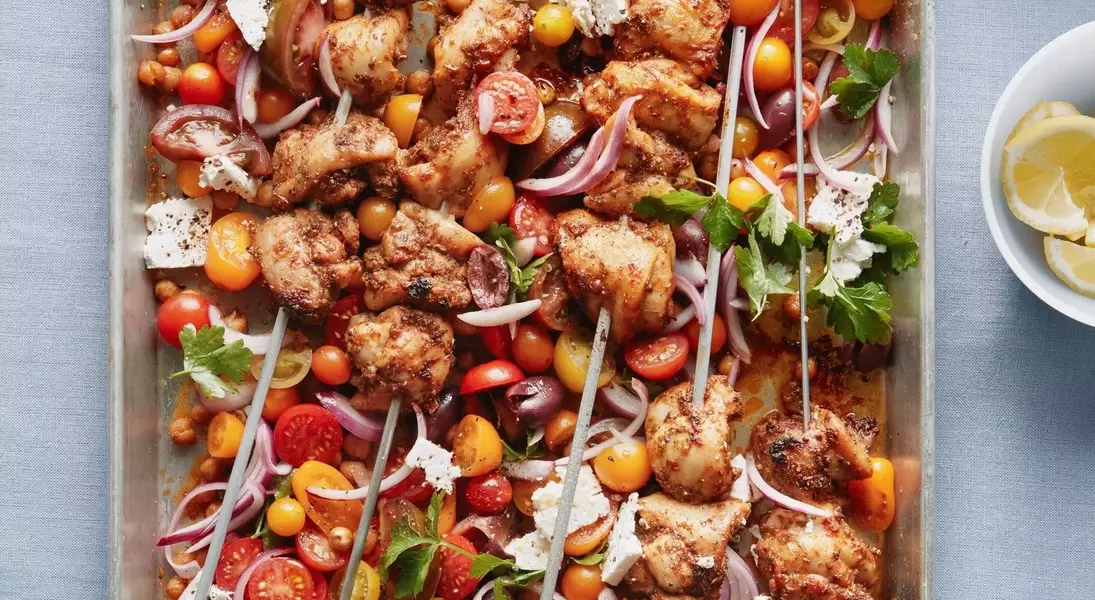
This recipe features chicken skewers prepared alongside chickpeas, which not only serve as an excellent source of fiber but also significantly boost the protein. Seasoned with garlic, oregano, cumin, and paprika, this dish is a flavorful and convenient weeknight meal. Similarly, a white chicken chili offers another delicious way to combine chicken and beans, promising to be a crowd-pleaser.
No-Mayo Tuna Salad: A Nutrient-Rich Combination
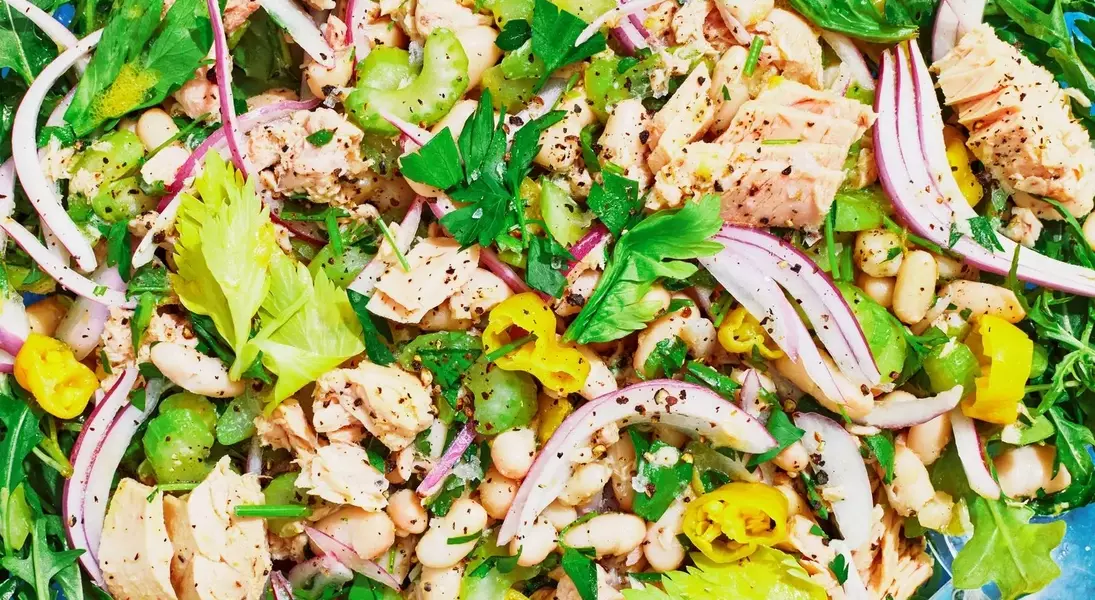
In this recipe, white beans are paired with tuna, fresh greens, peperoncini, and celery, instantly elevating the protein content and adding a vibrant, savory profile. Michalczyk highlights that this combination not only provides more protein but also introduces fiber, complex carbohydrates, and other vital nutrients that tuna alone does not offer, making each bite more nutritious.
Turkish-Style Poached Eggs: A Protein-Packed Breakfast
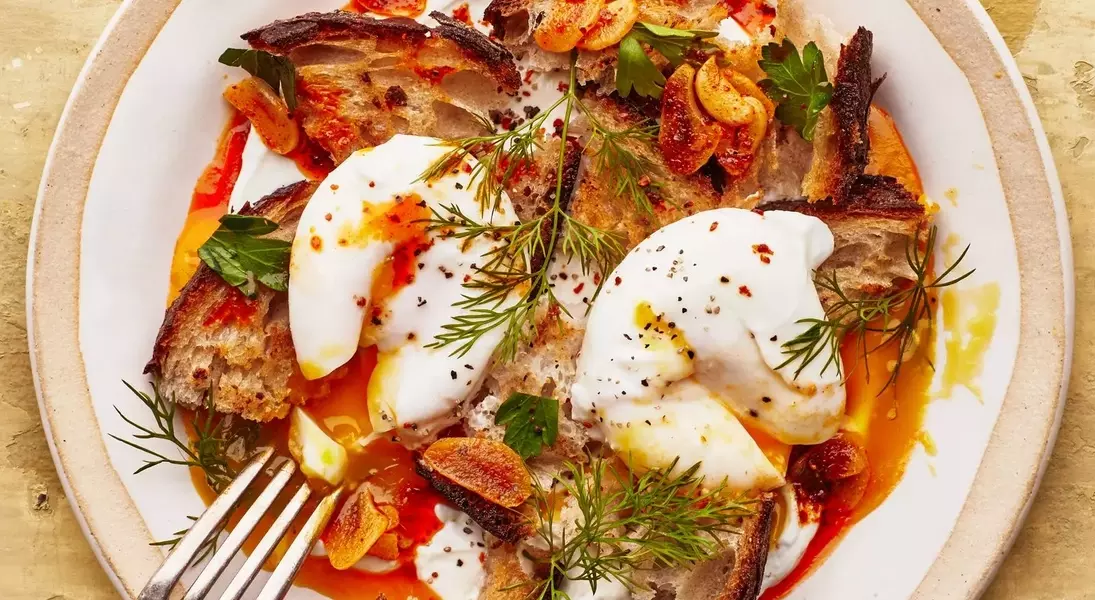
Kickstart your day with a breakfast that ensures sustained energy until lunch. This recipe layers perfectly poached eggs over creamy Greek yogurt, finished with a drizzle of garlicky butter. Greek yogurt is praised by Michalczyk as an easy way to increase protein in various dishes, suitable for both savory and sweet applications.
Big Green Lentil Salad: A Vegetarian Powerhouse
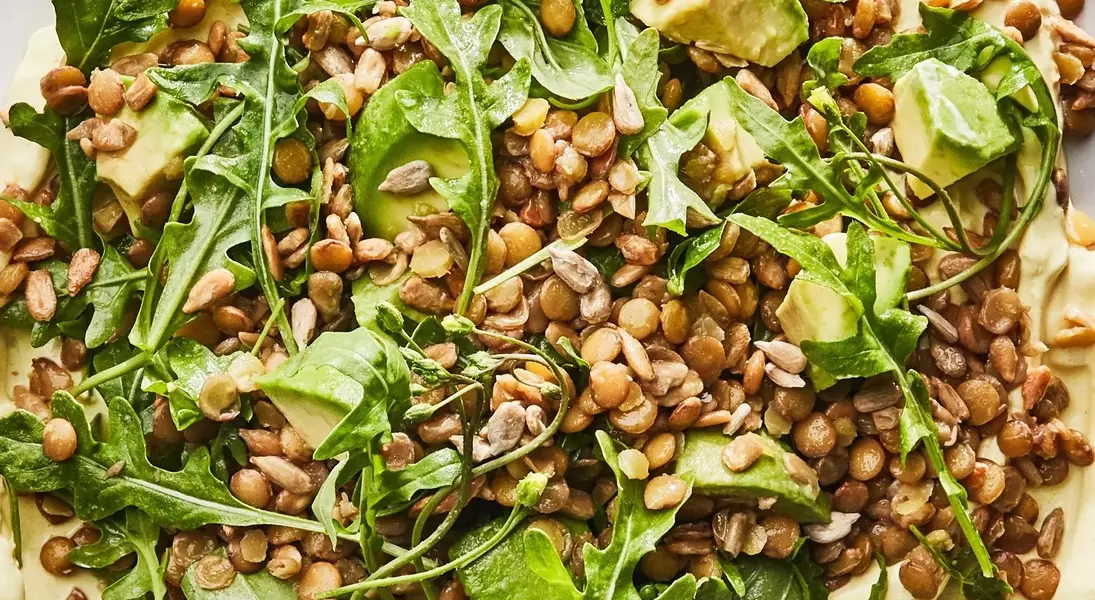
This vegetarian option impressively combines three protein sources: lentils, sunflower seeds, and Greek yogurt. Its adaptability allows for easy substitutions; arugula can replace other leafy greens, basil can be swapped for cilantro or parsley, and canned lentils can significantly reduce preparation time, making it a flexible and nutritious meal.
Embracing Protein Stacking as a Daily Habit
Once you begin integrating protein stacking into your cooking, it naturally becomes an effortless part of your routine. Simple additions like a spoonful of herby tzatziki to grilled salmon or black beans in a tofu grain bowl are easy ways to consistently enhance your nutrient intake. The practice encourages mindful eating and creative culinary combinations.
