

Potatoes, a fundamental presence on dinner tables, especially during festive seasons, often fall victim to improper storage, leading to spoilage and loss of flavor. This comprehensive guide delves into the optimal methods for preserving potatoes, ensuring they remain fresh, firm, and free from undesirable green spots or sprouts. We explore why Yukon Gold potatoes are a favorite among culinary experts for their exceptional mashing qualities and offer practical storage solutions endorsed by professionals, including advice from toxicology specialists.
Optimal Potato Storage Techniques for Lasting Freshness
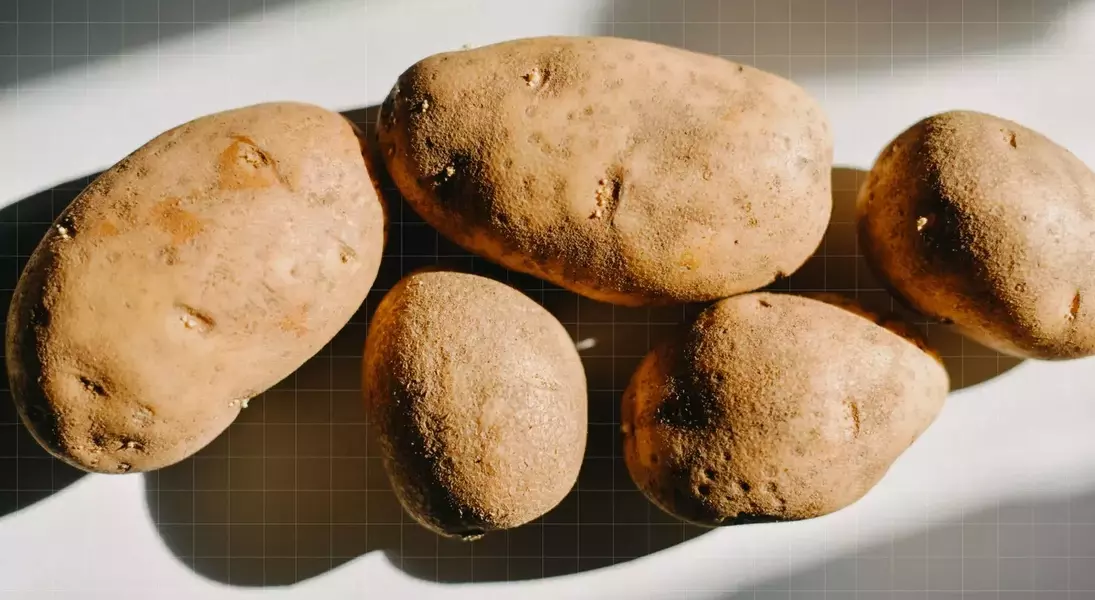
For centuries, the humble potato has been a dietary staple, cherished for its versatility. However, many home cooks face challenges in maintaining their freshness, often encountering issues such as premature sprouting, green discoloration, or an unpleasant waxy texture. To avert these common problems and ensure your potatoes are always ready for cooking, it's crucial to understand and implement proper storage practices. Chefs consistently recommend Yukon Gold for their ideal balance of starchiness and buttery flavor, making them perfect for creamy mashed dishes. Beyond selection, the art of preservation lies in creating the right environment.
According to Andrew Stolbach, M.D., M.P.H., a distinguished toxicologist and emergency physician at Johns Hopkins Hospital, storing potatoes in a cool, dry, and dark location with adequate air circulation is paramount. Crucially, they should never be refrigerated, as cold temperatures can convert their starch to sugar, affecting flavor and texture. Exposure to direct sunlight is equally detrimental, leading to the development of chlorophyll and, more importantly, an increase in glycoalkaloid toxins, which are harmful if consumed. These toxins are also indicated by the presence of sprouts, signifying that the potatoes are past their prime. Stolbach warns that cooking methods like frying, baking, or boiling do not eliminate these chemicals, emphasizing prevention through proper storage. Additionally, potatoes should be kept separate from onions, as gases emitted by onions can accelerate spoilage. Remember, never wash potatoes before storing them; moisture encourages decay.
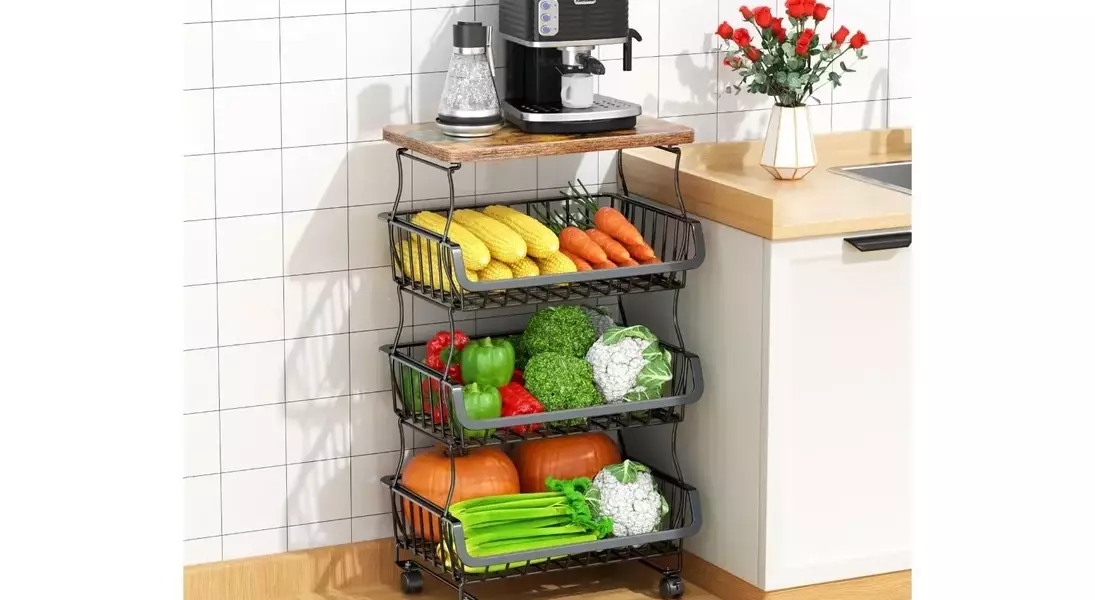
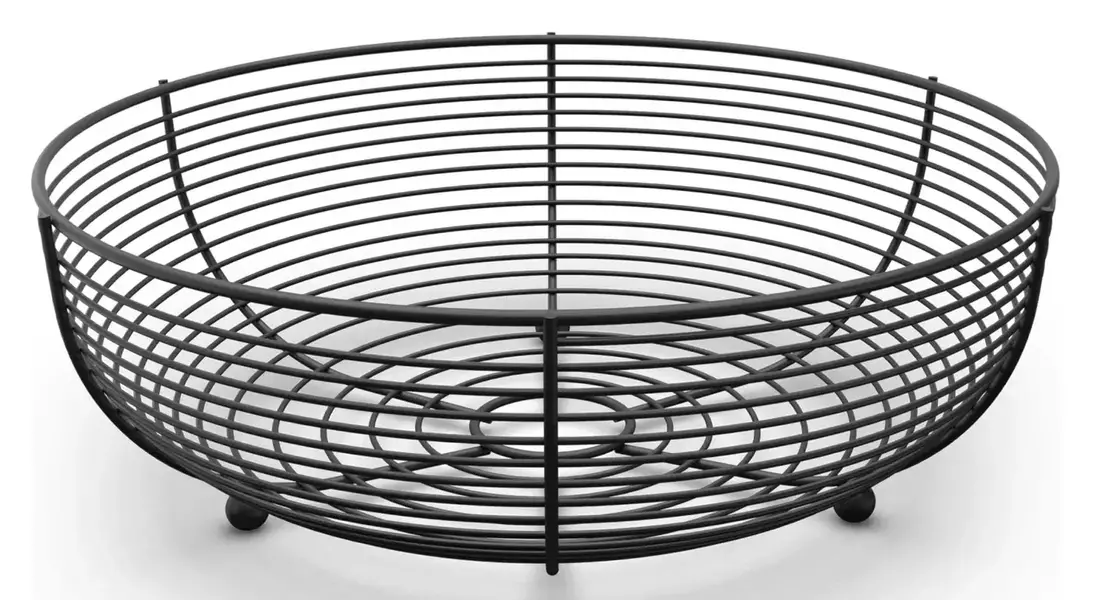
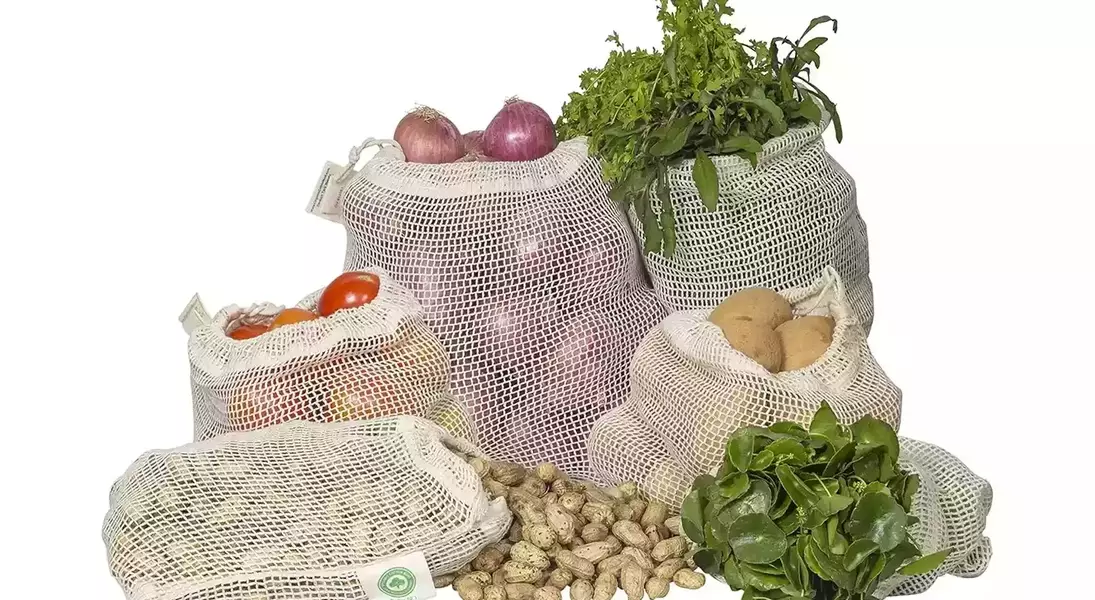
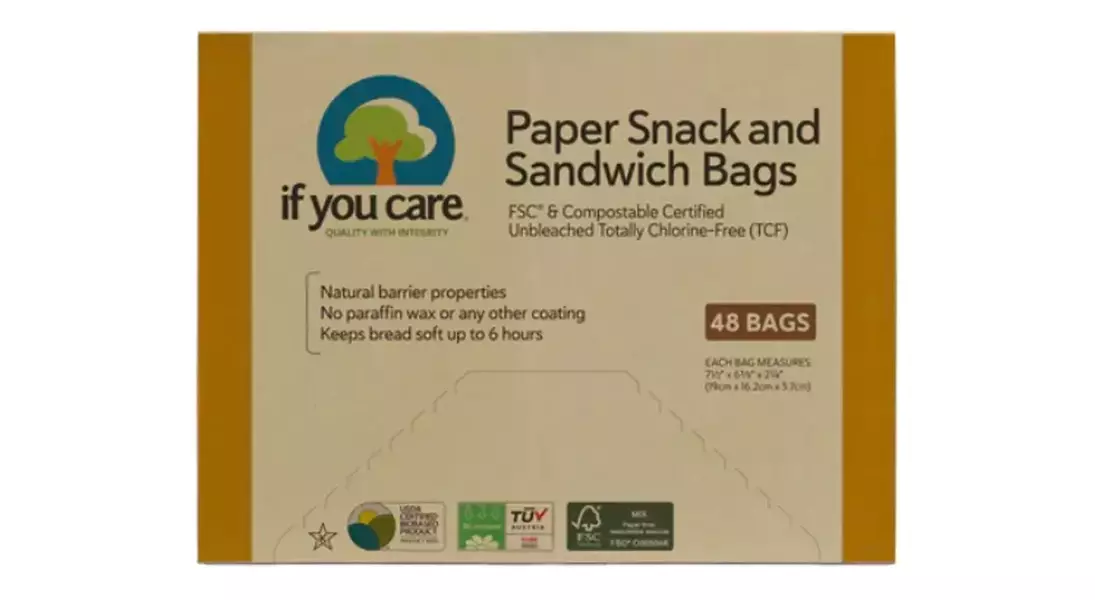
Several ingenious storage solutions can aid in extending potato shelf-life. Wire baskets, such as the Caxxa Wire Basket, are ideal due to their excellent air circulation capabilities, preventing moisture buildup and keeping potatoes firm. For compact kitchens, smaller wire baskets fit perfectly into pantry cabinets. Breathable cotton mesh bags, like the Organic Cotton Mart Reusable Cotton Mesh Produce Bags, offer another effective alternative, doubling as eco-friendly shopping bags. For those with a penchant for organization, stackable wire baskets with bamboo tops, such as the Aozita Set, maximize vertical pantry space. Simple brown paper bags can also be used, provided they are perforated to allow airflow. For larger quantities or dedicated storage areas like cellars, multi-tier stackable storage baskets with wheels, exemplified by the Gsiekare 4-Tier Baskets, provide a mobile and spacious solution, ensuring ample ventilation and easy access.
Adopting these expert-recommended storage strategies will transform your potato experience. No longer will you dread finding sprouted or discolored potatoes; instead, you'll consistently enjoy fresh, high-quality spuds, perfect for any culinary creation. By understanding the science behind potato preservation and utilizing suitable storage tools, you not only reduce waste but also elevate the quality of your meals. This commitment to proper food handling is a small yet significant step towards a more efficient and health-conscious kitchen.
