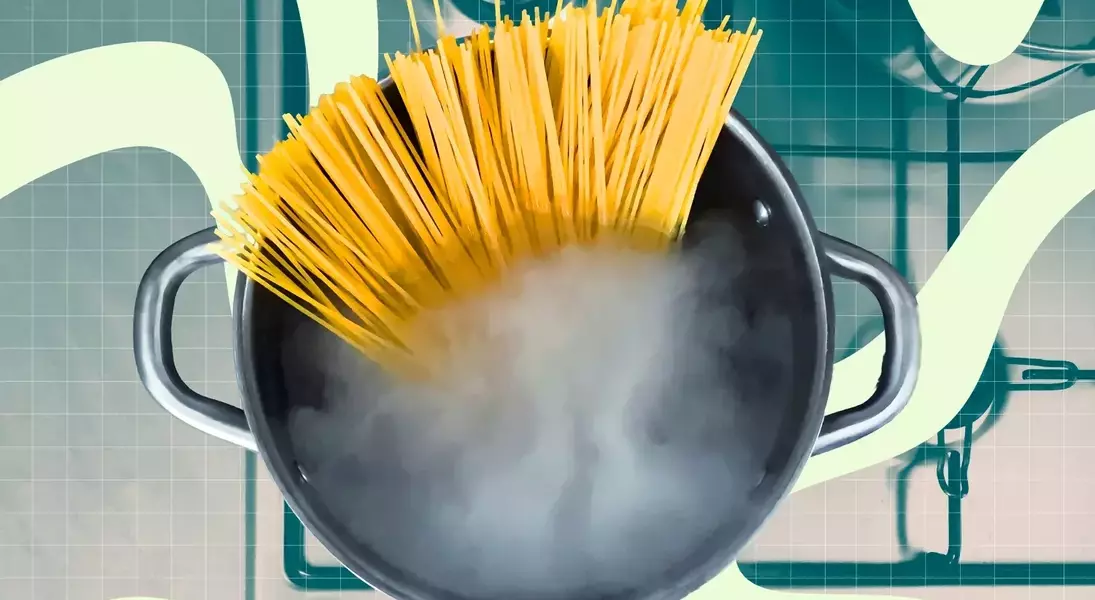
Many home cooks inadvertently sabotage their pasta dishes by making a common error: overcooking. While seemingly trivial, this mistake drastically impacts both the dish's texture and its nutritional value. Experts in Italian cuisine, including renowned chefs and pasta makers, advocate for an 'al dente' preparation, which ensures the pasta maintains a desirable chewiness, effectively binds with sauces, and offers enhanced health benefits. This article summarizes key insights from culinary professionals on how to achieve pasta perfection, avoid common blunders, and transform everyday pasta meals into gourmet experiences.
The Art of Al Dente: Achieving Culinary Perfection with Pasta
Culinary figures like Giada De Laurentiis, the esteemed host of "Everyday Italian," and New York restaurateur Adam Sobel, a celebrated Food Network chef, unanimously agree that overcooking pasta is a cardinal sin in the kitchen. Overcooked pasta, they explain, becomes overly soft, losing its characteristic 'bite' and its ability to absorb and cling to sauce. This results in a disconnected dish where the pasta and sauce fail to harmonize, leaving a bland and often watery outcome. Beyond taste, De Laurentiis highlights a significant health aspect: al dente pasta possesses a lower glycemic index compared to its overcooked counterpart. Its less gelatinized starch requires more effort for the body to digest, promoting sustained fullness and better blood sugar regulation. To circumvent this common pitfall, both chefs advise a simple yet effective technique: begin tasting the pasta a minute or two before the package's suggested cooking time. De Laurentiis specifically recommends removing pasta from the heat when it's still slightly firm in the center, allowing it to complete its cooking process directly within the simmering sauce. This method ensures a harmonious blend of flavors and textures. For delicate fresh pasta, which cooks much faster than its dried equivalent—often requiring just a minute or two in boiling water—master pasta maker Tori Messinger from Orlando Foods suggests constant vigilance and periodic tasting. This quick cooking time means fresh pasta can transition from perfectly al dente to mushy in mere seconds, making timely removal and finishing in the sauce even more critical. Additionally, other frequent missteps include using an insufficient amount of water, which can lead to gummy, sticky pasta due to improper starch dilution, as noted by Antonio Rummo, a sixth-generation pasta maker. Adding pasta before the water reaches a rolling boil can cause uneven cooking, while introducing oil to the boiling water actually prevents the sauce from adhering properly to the pasta strands. Anthony Costella, founder of Antonio Carlo Gourmet Sauces, points out another common faux pas: breaking long pasta varieties like spaghetti or fettuccine. He emphasizes that the elegance and authentic experience of eating long pasta lie in its ability to be twirled and coated evenly with sauce, an aesthetic and functional quality lost when the strands are fractured.
Reflecting on these expert insights, it's clear that pasta preparation is more nuanced than it initially appears. The simple act of cooking pasta to perfection can elevate a dish from ordinary to extraordinary, demonstrating how attention to detail in the kitchen yields significant rewards. The advice to taste frequently and integrate pasta into the sauce for its final moments of cooking is a game-changer, not only improving the sensory experience but also contributing to a more wholesome meal. These culinary lessons remind us that great cooking often hinges on understanding fundamental principles and respecting the ingredients themselves, ultimately empowering us to create more delicious and healthful dishes.
