Nonstick pans are indispensable kitchen tools, favored for their ease of cleaning and suitability for delicate dishes that tend to adhere to traditional surfaces. Their affordability further solidifies their status as a preferred choice for both novice and experienced cooks. Despite their widespread use, nonstick coatings, particularly those containing \"forever chemicals\" like PFAS, have raised concerns regarding their durability and potential for chemical leaching into food, though this is minimized with proper use. These pans generally have a shorter lifespan compared to other cookware, prompting questions about their long-term value.
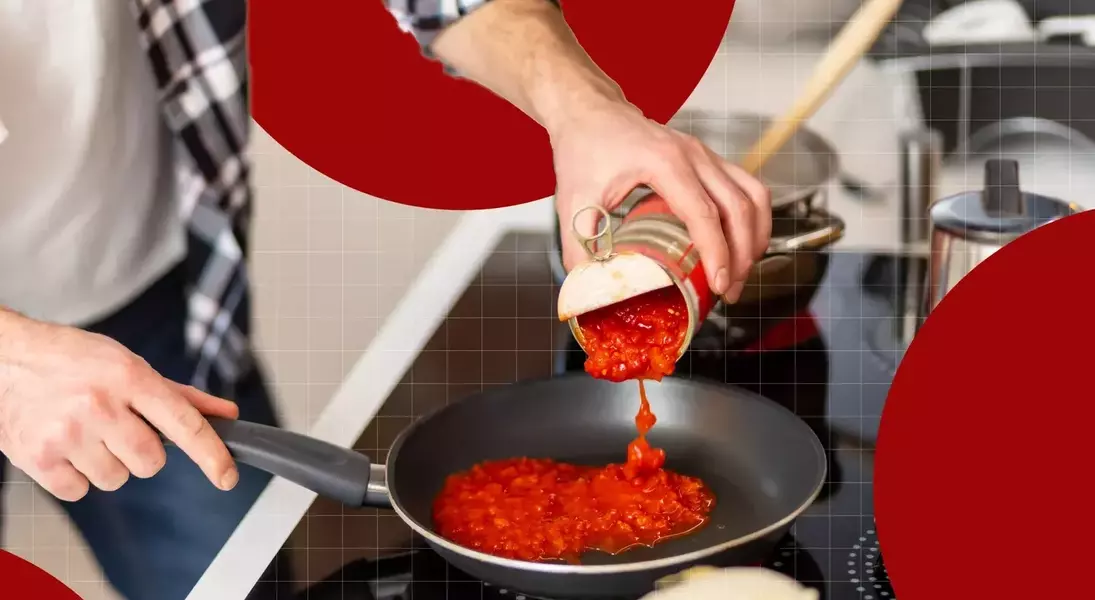
To maximize the utility and longevity of nonstick cookware, it's crucial to understand their limitations and proper care. Experts advise against using nonstick pans for certain cooking methods, such as making sauces, as their uneven heat distribution hinders flavor development and the creation of \"fond\" (caramelized bits essential for rich sauces). Prolonged simmering in nonstick pans also increases the risk of chemical migration. Similarly, high-acid foods like tomatoes, wine, or citrus can degrade the nonstick coating over time, making stainless steel or Dutch ovens better alternatives. High-heat cooking, exceeding 480°F, can cause the coating to peel or chip, affecting both the pan's performance and potentially introducing harmful substances into food. Broiling is particularly detrimental, as the intense direct heat can warp the pan and severely damage the coating. Storing food in nonstick pans is also discouraged due to the potential for acidic ingredients to break down the coating and leach chemicals. Furthermore, nonstick cooking sprays, despite their name, can leave behind sticky residues that reduce the pan's nonstick efficacy and make cleaning more challenging.
Effective care and maintenance are paramount for extending the life of nonstick pans. Always opt for non-metal utensils like wood or silicone to prevent scratching the delicate surface. Handwashing with warm water and a soft sponge is recommended, as dishwashers can damage the coating. Allowing the pan to cool naturally before cleaning also prevents warping. Proper storage is key: avoid stacking pans directly on top of each other; instead, use pan stackers, pot hangers, or dish towels between them to protect the nonstick surface. It's important to recognize that nonstick pans have a finite lifespan; once the coating begins to peel, they cannot be repaired and should be replaced to ensure cooking safety and efficiency. By respecting these guidelines, your nonstick cookware will serve you well, making your cooking experience both easier and safer.
