For culinary enthusiasts who frequently incorporate fresh herbs into their dishes, the challenge of short shelf-life is a common frustration. This comprehensive guide introduces an innovative freezing method using neutral oils to significantly extend the usability of fresh herbs. By following a simple process of cleaning, chopping, and then freezing herbs in a thin layer of oil within freezer bags, home cooks can ensure a steady supply of flavorful herbs for up to six months. This approach not only combats freezer burn but also simplifies portion control, allowing for quick and efficient integration into various recipes.
My kitchen routine heavily relies on the vibrant notes that fresh herbs like cilantro, dill, and basil bring to meals. However, their fleeting freshness often leads to waste. The solution lies in a proven freezing technique, refined by culinary experts, which involves encasing herbs in oil. This method is superior to freezing herbs in water or as-is because the oil acts as a protective barrier, minimizing freezer burn and making the frozen herbs easier to use directly in hot dishes. The flexibility to use any neutral oil, or even a flavored one, adds another layer of customization to this preservation strategy.
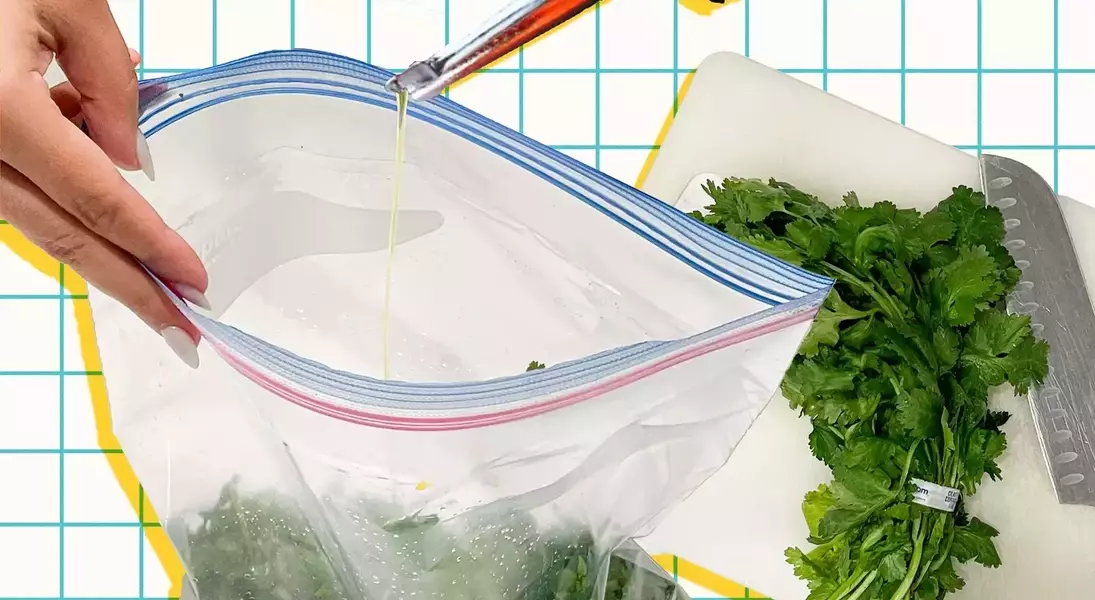
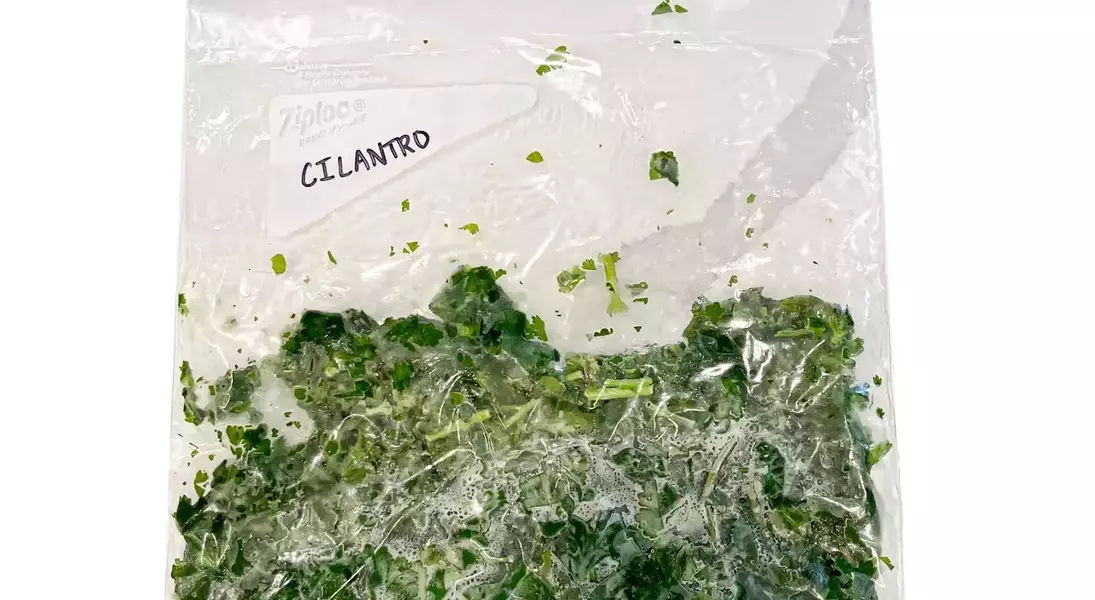
The process begins with preparing your chosen fresh herbs, such as basil, mint, or parsley. After thorough cleaning, finely chop the herbs by hand or with a food processor. Transfer the chopped herbs to a large freezer-safe bag, then pour in a sufficient amount of neutral oil—canola or light olive oil are excellent choices. If you prefer, a more robust oil like extra virgin olive oil or a nut oil can be used to impart additional flavor to your future dishes. Carefully remove as much air as possible from the bag before sealing it completely, leaving a small opening for the air to escape. Lay the sealed bag flat on a plate or baking sheet, spreading the herb-oil mixture into an even, thin layer. This thin layer is crucial for easy portioning once frozen. Place the bag in the freezer until the contents are solid.
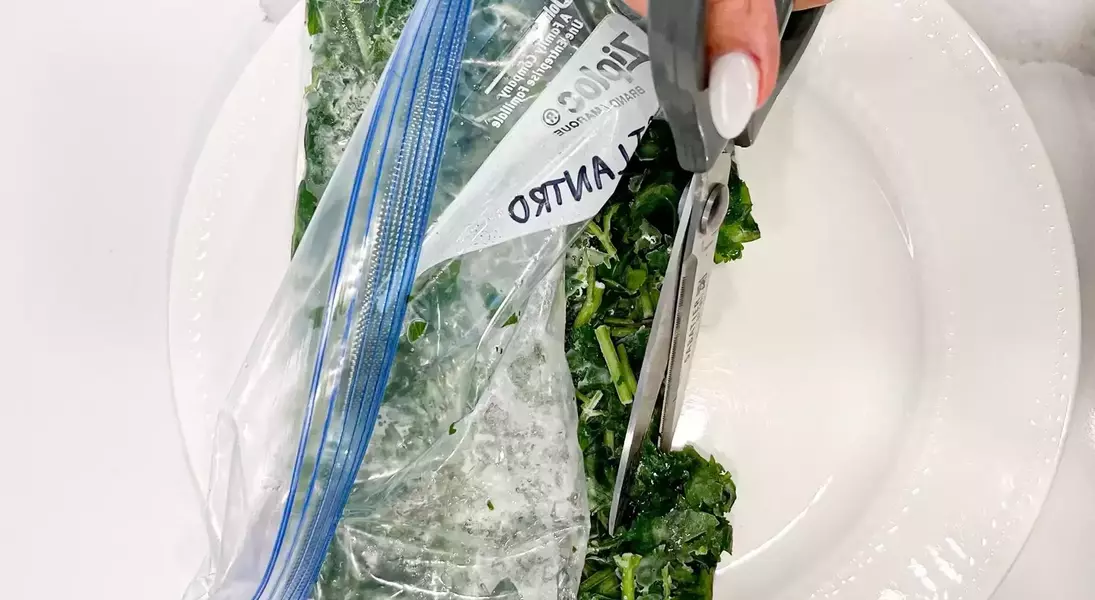
Once frozen, the herb slab can be easily stored. When a recipe calls for fresh herbs, simply use a knife or kitchen shears to cut off the desired amount from the frozen sheet. While this method preserves the potent flavor of the herbs, it's important to note that their delicate texture will not survive the freezing and thawing process due to ice crystal formation. However, for dishes where herbs are cooked into sauces or soups, this textural change is negligible. Frozen herbs maintain their peak flavor for three to six months; beyond this period, they may start to lose potency or develop freezer burn. To reduce environmental impact, the same freezer bags can be washed and reused, or you can opt for more sustainable reusable storage bags.
This preservation technique is particularly advantageous during colder months when fresh herbs are less accessible or more expensive. As Serious Eats senior culinary editor Leah Colins highlights, frozen herbs can be directly added to simmering soups or sauces, dissolving seamlessly and infusing the dish with their fresh essence. Whether it's parsley in a hearty winter vegetable soup, basil in an Italian-American red sauce, or cilantro brightening up channa masala, frozen herbs are a convenient way to elevate your cooking year-round. This simple yet effective tip ensures that you always have a vibrant burst of herbal flavor at your fingertips, making every meal more delicious and aromatic.
