


Succeeding as a vendor at a local market demands more than just offering quality products; it requires strategic preparation and engagement. This guide, drawing from years of firsthand experience, offers vital insights into optimizing your presence and fostering strong connections with shoppers. Key elements such as maintaining impeccable hygiene, ensuring an inviting atmosphere, and showcasing your merchandise effectively are explored. Furthermore, the importance of clear communication through signage, comprehensive product knowledge, and genuine interactions are emphasized. By implementing these practices, sellers can significantly enhance their market performance, turning casual browsers into loyal patrons and ensuring a flourishing business.
My initial venture into the bustling atmosphere of the Dupont Circle Farmers Market in Washington, D.C., captivated me. The lively exchange between producers and consumers offered a fresh perspective, vastly different from my prior experiences as a shopper. Since then, I've had the privilege of working at agricultural markets across four different states, each journey reinforcing the critical lessons on maximizing sales and building a returning customer base. These experiences have illuminated the subtle nuances that either draw people in or cause them to pass by a stall without a second glance. The following advice is a distillation of these learnings, aimed at empowering vendors to elevate their market presence, drive transactions, and forge meaningful relationships with their clientele.
A fundamental principle for any market vendor is the unwavering commitment to cleanliness. Regardless of what you're offering—be it fresh vegetables, artisan cheese, or prime cuts of meat—the presentation of both your goods and your display area must be immaculate. Some farmers mistakenly believe that leaving a bit of soil on carrots or lettuce signifies authenticity; however, the reality is that most consumers prefer their produce cleaned and ready for immediate consumption. Dedicating extra time to the washing station before market hours can significantly influence sales. Should your fresh greens or root vegetables appear a bit lackluster during the market, a light mist of water can instantly revitalize them, enhancing their appeal.
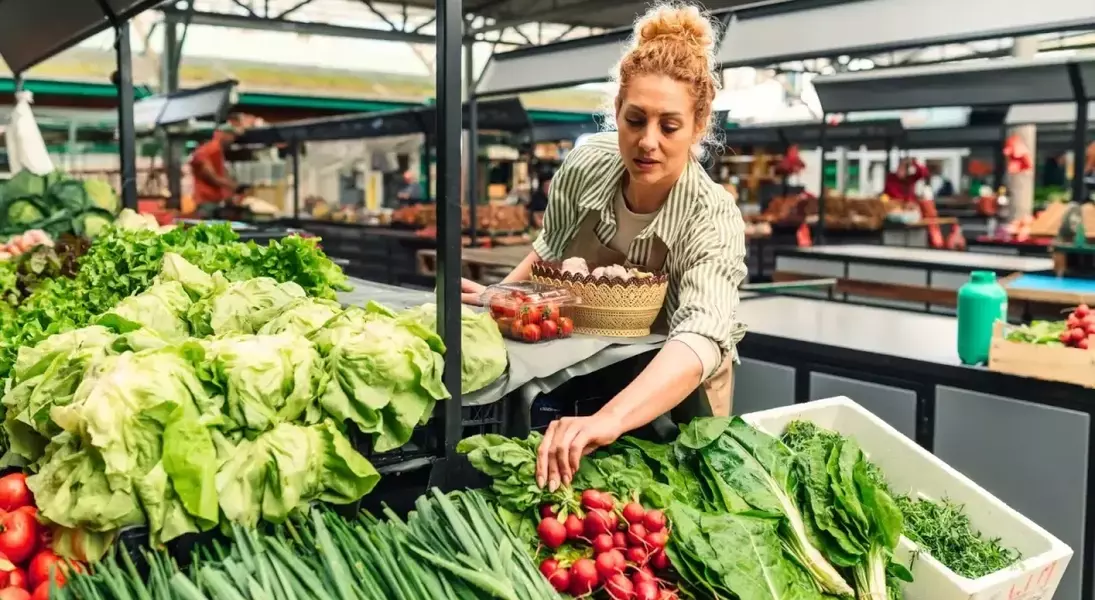
Beyond product cleanliness, maintaining an orderly stall is paramount. This includes neatly arranging shopping bags rather than scattering them haphazardly and, at the very least, ensuring your tables are spotless—or ideally, covered with clean tablecloths. An inviting and well-kept space signals professionalism and care, encouraging shoppers to linger and explore your offerings. Conversely, a disorganized or unkempt stall can deter potential customers, regardless of the quality of your products.
Your presence at the stall is as crucial as the products themselves. Appearing approachable is essential for encouraging potential buyers to inspect your items and make a purchase. Sitting passively at the back of your booth can inadvertently convey a lack of interest in engaging with customers. Ideally, vendors should remain standing throughout the market duration. While this is easily achieved during busy periods when you're occupied with transactions and restocking, it’s important to avoid spending extended periods sitting down or engrossed in your phone. Short breaks are acceptable, but consistent engagement fosters a welcoming environment.
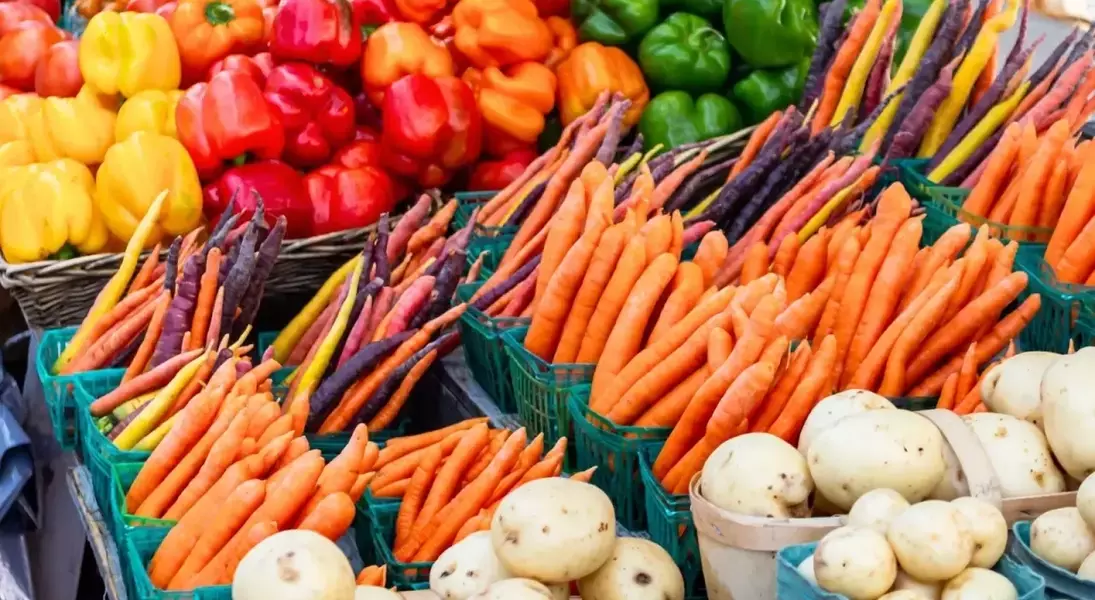
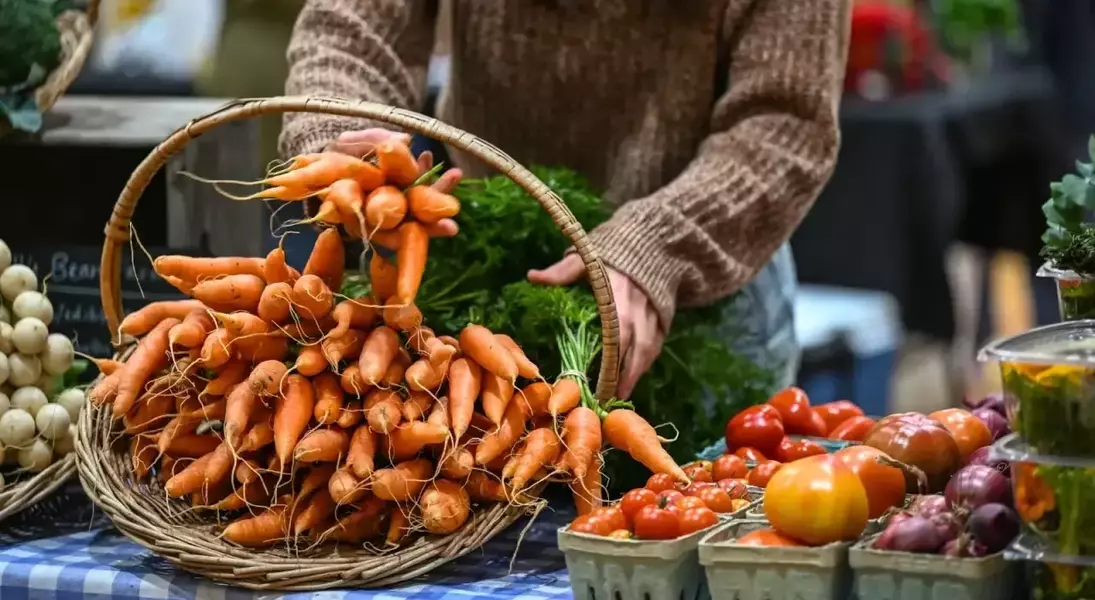
A common wisdom among market sellers, "pile it high, and watch it fly," speaks to the power of abundance in display. Tall, inviting stacks of produce, such as radishes or cucumbers, tend to sell more readily than thinly spread arrangements. Even with a limited quantity of an item, creating a small stack rather than a single layer can significantly enhance its visual appeal. Concentrating your products on a single, well-filled table is generally more effective than thinly distributing them across multiple surfaces. Incorporating crates and baskets can introduce verticality to your display, which is particularly beneficial for items that are difficult to stack, like delicate tomatoes or vibrant bouquets. As items are sold, it’s important to continuously reconfigure your display to maintain a full and attractive appearance, ensuring your stall always looks intentional and meticulously cared for.
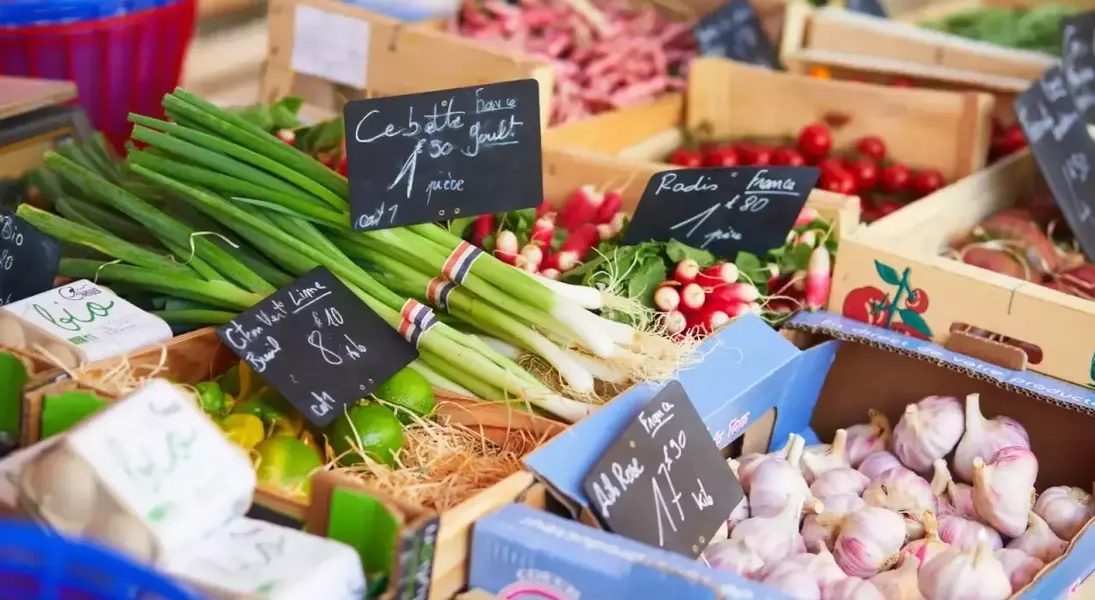
Effective signage is a non-negotiable element for a successful market stall. While you might be intimately familiar with every product you offer, your customers are not. Clear labels for less common items, such as Thai basil or radicchio, serve to educate and attract curious shoppers. Even ubiquitous items like carrots or eggs benefit from clear pricing and identification. Beyond basic labeling, consider using signs to promote special offers or to suggest uses for specific products. For instance, if you aim to sell a large quantity of cherry tomatoes, a sign highlighting a multi-buy discount or listing ideas for salsa, pasta salad, or pizza can effectively entice customers and increase sales.
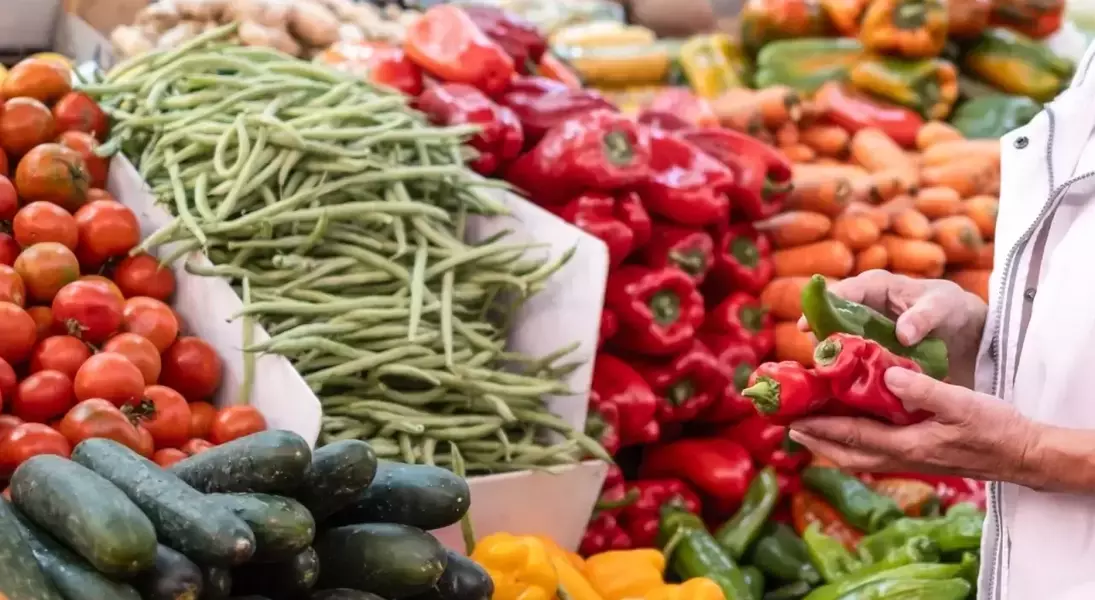
A unique advantage of farmers' markets is the direct connection between growers and consumers. Shoppers value the opportunity to ask specific questions about cultivation methods, processing techniques, or animal welfare practices. They also frequently seek advice on how to select, prepare, and store their purchases. While it's unrealistic to possess encyclopedic knowledge about every single item, a solid understanding of your products is invaluable. Being able to explain how you store basil at home or describe the typical peppery notes of your radishes at a given time of year makes you a knowledgeable and trusted resource. This expertise provides a significant competitive edge, building confidence and loyalty among your clientele.
Beyond mere transactions, farmers' markets are fertile ground for building genuine relationships. Many customers seek more than just high-quality goods; they desire a personal connection with the individuals who produce their food. While sincerity doesn't necessitate treating every customer as your closest confidant, a modest effort to connect can yield significant returns. If you are a regular vendor at a particular market, you will undoubtedly encounter familiar faces. Making an effort to remember shoppers' names, or simply asking about their week or recent culinary endeavors, demonstrates genuine care. Cultivating these personal connections is among the most impactful strategies for long-term success at the market, transforming one-time buyers into dedicated regulars.
While brief, friendly conversations at checkout can forge valuable connections, it is crucial to manage the flow of traffic efficiently. Prolonged discussions with a single customer can lead to lengthy queues and an overcrowded stall, potentially frustrating impatient shoppers. Strive for a swift and organized checkout process. Ensure shopping bags, payment devices, and change are readily accessible and neatly arranged. Politely encourage overly chatty customers to move along, while simultaneously focusing on the next person in line. Maintaining a smooth, efficient operation ensures a positive experience for all customers, preventing bottlenecks and maximizing sales opportunities.
