Once a common oversight in the beauty world, the art of applying eyeliner to hooded eyes has evolved significantly. This comprehensive guide provides invaluable insights and product recommendations for those seeking to accentuate their eyes, offering tailored techniques that address the unique contours of hooded eyelids. From strategic application methods to selecting optimal liners, this resource aims to empower individuals with hooded eyes to achieve stunning and long-lasting eye makeup looks.
The journey to mastering eyeliner for hooded eyes often begins with understanding their distinct characteristics: a skin fold that subtly conceals the eyelid, making the lid space appear smaller. Historically, general makeup tutorials rarely catered to this specific eye shape, leading to frustration for many. However, with growing awareness, the beauty industry has responded, introducing specialized products and techniques.
Renowned makeup artists Gemma Peace and Tobi Henney emphasize the importance of technique over product. Peace advises applying eyeliner with eyes open, gazing directly into a mirror. This method ensures that the final look is visible and flattering, as tilting the head or raising eyebrows can distort the true shape of the line. She suggests a steady hand, working in short, controlled strokes to build the desired effect.
When using liquid liners, Peace recommends holding the brush on its side rather than its tip. This approach allows for a more precise tapping and stamping motion, enabling seamless application even over the hooded fold. Starting from the outer corner and gradually working inward, thinning the line as you go, is her preferred method. For those aspiring to create a winged liner, Peace suggests initial practice with a soft gel liner. By applying it to the outer corner and gently using a fingernail to pull the product into shape, one can discover the ideal angle before committing to a liquid formula. Henney echoes this sentiment, highlighting that consistent practice is key to perfecting any eyeliner style.
For hooded eyes, specific styles tend to be most effective. Peace recommends avoiding heavy liner near the inner tear duct, as this can make eyes appear smaller. Instead, she suggests starting from the pupil and extending outward, gradually thickening the line. She also champions the 'bat-wing' technique for winged liner: drawing a line that follows the lower waterline upward, then connecting it inward from the wing to the outer corner. When the eye is closed, this creates a 'bat-wing' shape, which appears straight and seamless when the eye is open. Tightlining, a technique that defines the lash line without occupying lid space, is another favored approach, as is a smoky outer-corner liner, which offers definition and lift without sharp lines.
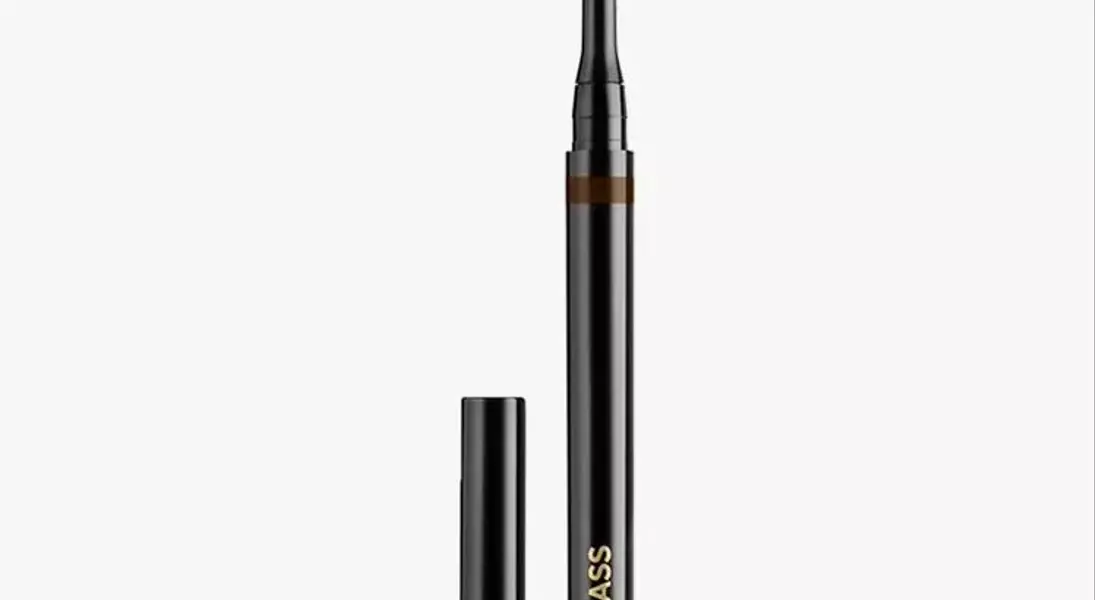
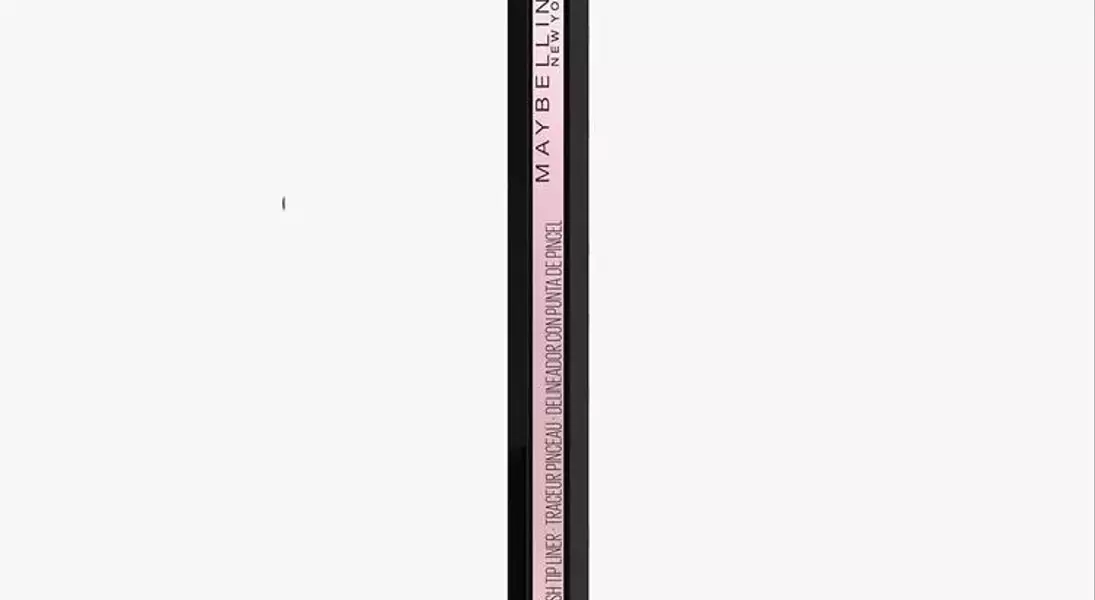
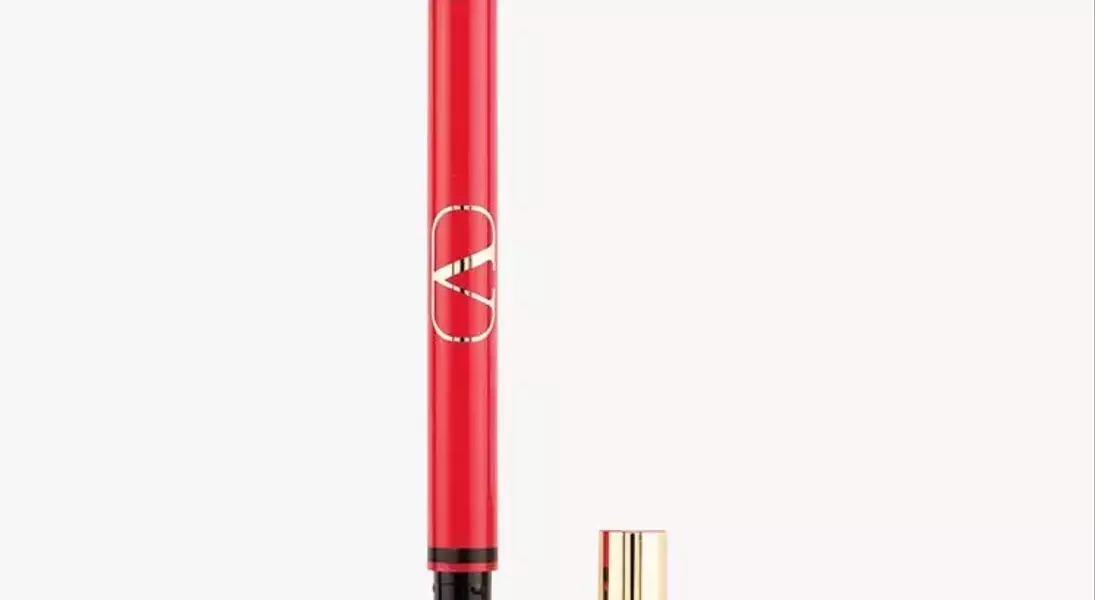
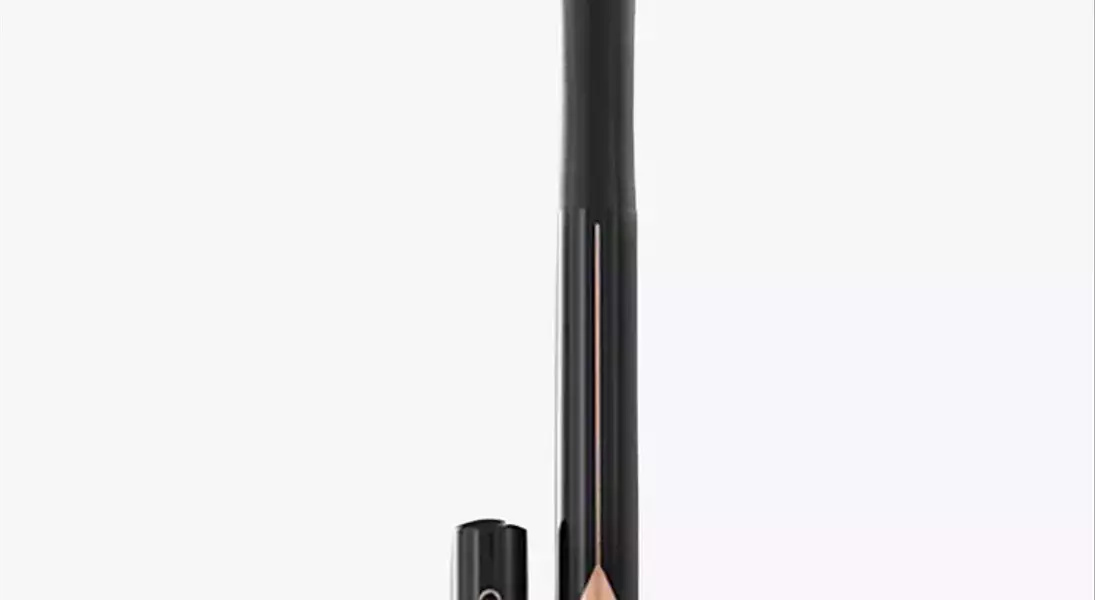
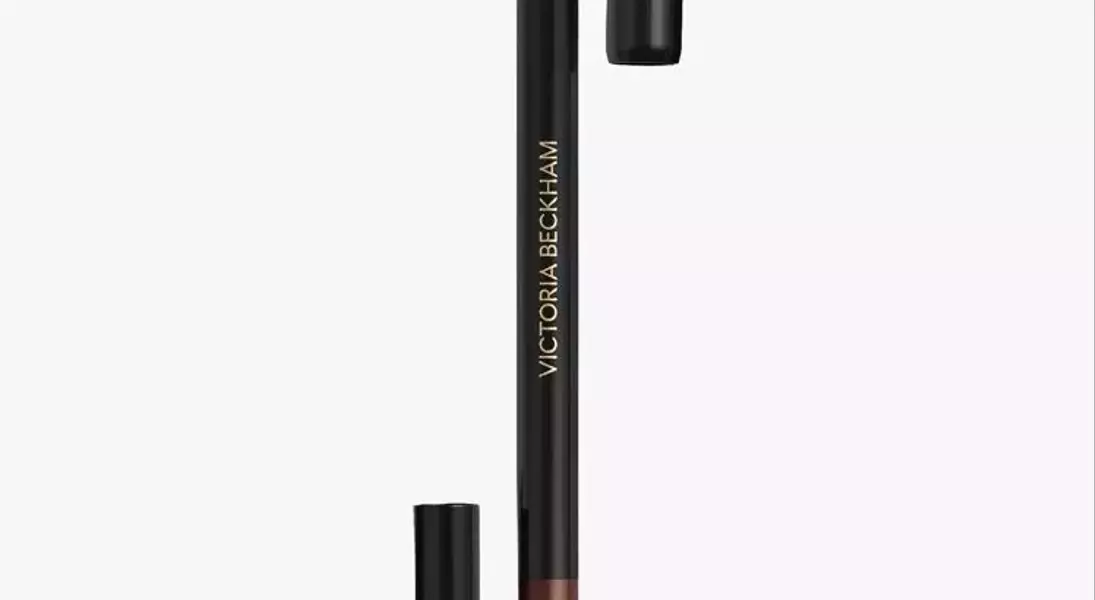
Regarding product selection, both experts lean towards gel and waterproof formulas. These types are less prone to smudging and offer superior longevity, crucial for hooded eyes where transfer can be an issue. A fine-tipped applicator is also highly recommended for its precision, particularly when working with limited lid space. The market now offers a variety of products designed with these considerations in mind, making it easier than ever to find suitable options that cater to the unique needs of hooded eyes.
