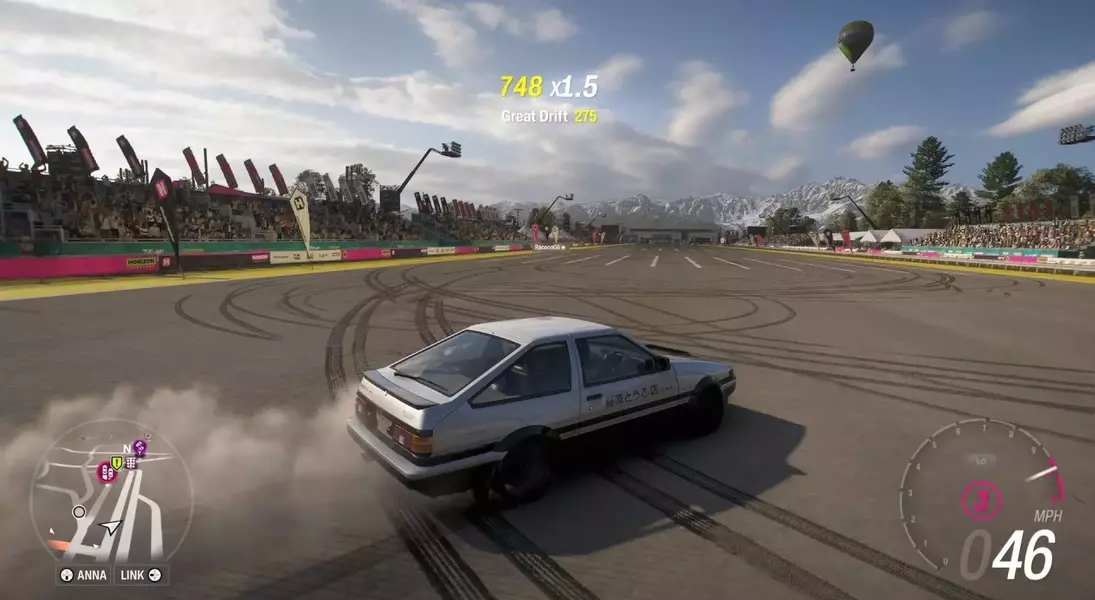
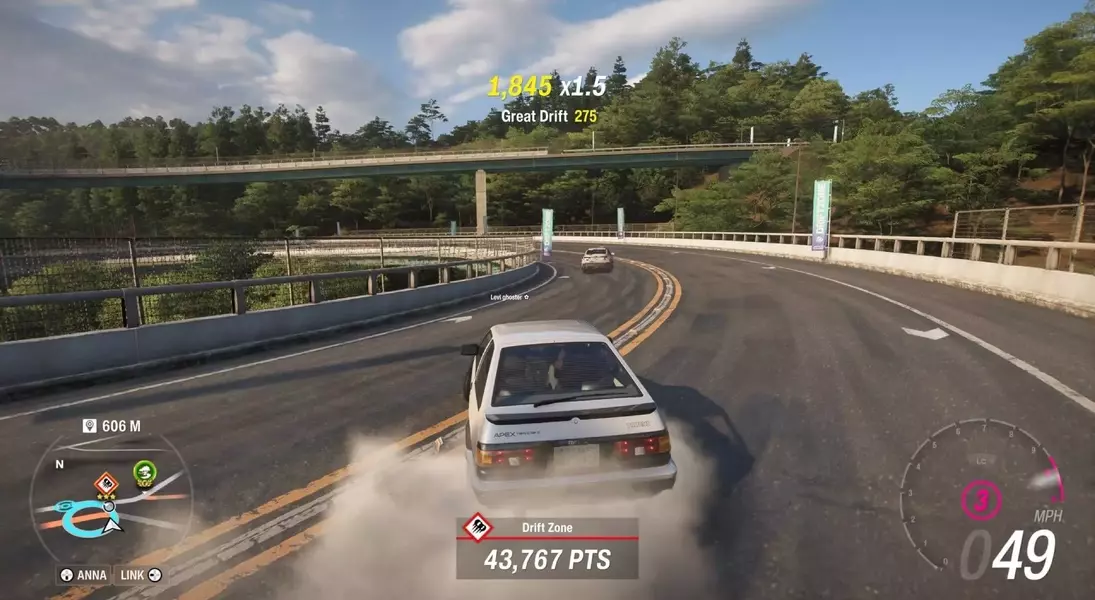
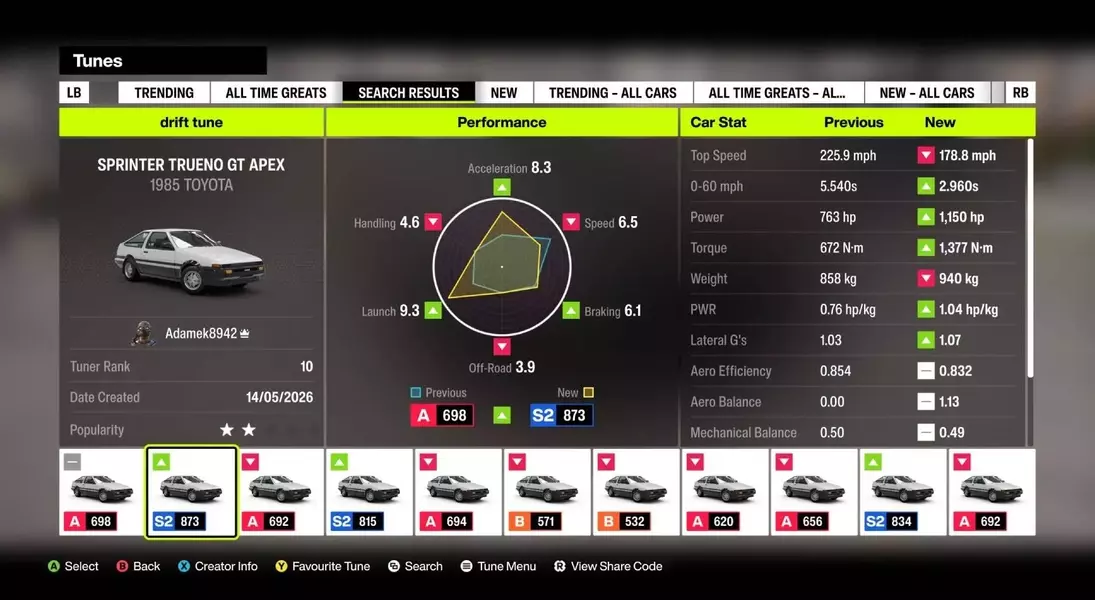
Forza Horizon 6, set in the drifting-centric landscape of Japan, places a strong emphasis on mastering the art of drifting. This guide is tailored for novice players aiming to develop their drifting prowess. It delves into crucial aspects such as car selection, optimal driving configurations, and essential techniques, providing a comprehensive roadmap for players to excel in the game's numerous drift challenges. By following these foundational tips, beginners can confidently navigate the intricacies of drifting, turning challenging maneuvers into satisfying accomplishments and progressively tackling more advanced techniques.
To effectively learn how to drift in Forza Horizon 6, it is imperative to first complete the Drift Club events with Jordan, which serve as an excellent training ground. These events gradually increase in difficulty, offering a forgiving environment to practice and assess one's drifting capabilities. Furthermore, selecting an appropriate vehicle is critical. While any car can be modified for drifting, certain models are inherently better suited and more cost-effective. Players should prioritize rear-wheel drive (RWD) vehicles, as they offer the necessary power distribution for controlled drifts. Disabling all driving assists and opting for manual shifting are also vital, as these settings provide the precise control required for intricate drift maneuvers. The guide also highlights the unexpected benefit of using drag or snow tires over dedicated drift tires due to their lower grip, which facilitates easier sliding. Embracing these core principles will set players on a solid path to becoming proficient drifters, enabling them to confidently approach and conquer all drift zones within the game.
Essential Foundations for Forza Horizon 6 Drifting
Becoming adept at drifting in Forza Horizon 6 begins with mastering several foundational elements that significantly impact performance. Starting with the Drift Club events is crucial, as these missions, particularly with Jordan, are specifically designed to introduce and progressively enhance drifting skills. The six chapters offer a structured learning curve, allowing players to practice critical maneuvers in a controlled environment. Earning three stars in these events, which are more lenient than the general drift zones, helps build confidence and provides a clear indicator of a player's natural aptitude and areas needing improvement. This initial training is invaluable for understanding the basic mechanics of initiating and maintaining a drift, laying the groundwork for more complex challenges. Moreover, the choice of vehicle plays a pivotal role. While the game allows customization for any car to drift, opting for models recognized as top drift cars can provide a significant advantage. These vehicles often possess inherent characteristics that simplify the drifting process, making it easier for beginners to execute successful slides and focus on technique rather than fighting the car's limitations.
A critical technical adjustment for aspiring drifters is the selection of a Rear-Wheel Drive (RWD) car. RWD vehicles are inherently superior for drifting because their power delivery to the rear wheels allows for controlled oversteer, which is the essence of drifting. This setup enables the front wheels to concentrate solely on steering and angle control, providing the precise manipulation needed to maintain a drift. Conversely, cars with other drivetrains, if not modifiable to RWD, will present a steeper learning curve. Manual shifting is another non-negotiable aspect for serious drifters. While automatic transmission might seem convenient, manual control over gears is vital for regulating RPMs, which directly influences power output and tire spin. Maintaining the engine in the optimal RPM range, typically in second or third gear, is crucial for sustained drifts. Furthermore, disabling all driving assists—including anti-lock braking, traction control, and stability control—is paramount. These assists are designed to prevent skidding and maintain grip, which directly counter the objective of drifting. By turning them off, players gain full control over the car's behavior, allowing for deliberate slides and precise throttle modulation. Surprisingly, the choice of tires also impacts drift performance; drag or snow tires are often preferred over dedicated drift tires due to their lower grip, which facilitates easier and longer slides on asphalt, enhancing drift scores.
Advanced Techniques and Practice for Optimal Drift Performance
Beyond the foundational car setups and basic controls, honing drifting skills in Forza Horizon 6 involves embracing specific advanced techniques and consistent practice. One crucial shift in mindset is to consciously disregard the conventional racing line. Unlike traditional racing where the goal is to follow the shortest path through a corner, drifting requires a different approach. Effective drifting involves initiating the turn from the inside of a corner, guiding the car into a slide that takes it towards the outside edge, often nearly touching the wall, before expertly pulling it back towards the inside upon exiting the corner. This 'outside-inside-outside' approach is fundamental to maximizing drift angles and maintaining momentum. Furthermore, the handbrake, or 'e-brake,' becomes an indispensable tool for initiating and correcting drifts. A quick tap of the e-brake can help kick out the car's rear at the precise moment to begin a slide, and a subsequent tap can be used mid-drift to adjust the angle or prevent spinning out, offering a crucial layer of control that separates novice attempts from polished drifts.
Mastering throttle control, often referred to as 'feathering the throttle,' is another advanced technique vital for sustained and controlled drifts. Instead of maintaining constant acceleration, drifters must learn to modulate the throttle input with precision. As the car approaches a corner and begins to decelerate, a brief, sharp application of the throttle can induce the necessary oversteer to initiate the drift. Throughout the drift, the throttle should be applied intermittently and gently, preventing excessive tire spin that could lead to a loss of control or a complete spin. This delicate balance of power application is essential for maintaining the drift's momentum and angle. Finally, dedicated practice is the cornerstone of improvement. While the game's extensive road network offers countless opportunities, practicing in designated, open areas is highly recommended. The drag strips—such as Irokawa Quarter Mile, Ito Half Mile, and Festival Kilometer—provide expansive, unobstructed spaces perfect for repetitive drills without the interference of traffic or complex track layouts. Alternatively, specific drift zones like the Kawazu Nanadaru Loop Bridge offer a more structured environment to refine techniques within a scoring system. Consistent practice in these areas will solidify muscle memory and intuition, allowing players to seamlessly integrate all these techniques into their drifting repertoire and confidently tackle even the most challenging drift zones.
