

In the vast and challenging realm of Pywel, a solitary journey can be daunting. Thankfully, the upcoming action RPG, Crimson Desert, offers a robust companion system that transforms solo play into a dynamic, team-based experience. This guide delves into the mechanics of acquiring and deploying these invaluable allies, enhancing your strategic depth and combat prowess. From the swift rapier strikes of Damiane to the crushing blows of the formidable orc Oongka, understanding your companions is key to navigating Pywel's treacherous landscapes.
Unveiling Your Allies: Damiane, Oongka, and the Art of Summoning in Crimson Desert
Your adventure in Crimson Desert is significantly enriched by the availability of playable companions, each boasting distinct skill trees and weapon proficiencies. Two prominent figures you'll encounter are Damiane and Oongka, whose unique abilities add layers to your combat strategies.
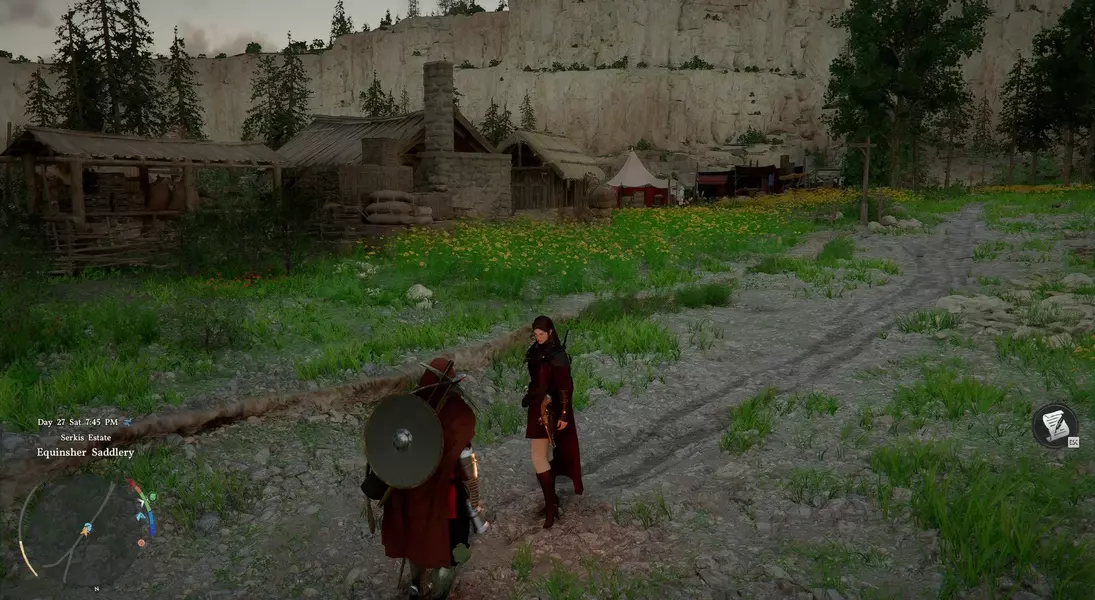
Damiane, a human warrior with expertise in rapiers and firearms, becomes accessible early in your journey. Specifically, during the foundational stages of Chapter 3, as you establish your camp at Howling Hill, Marshall Middler introduces you to her. Upon this introduction, Damiane transitions from a narrative character to a fully playable companion. Her distinct combat style, which includes the use of muskets and rapiers, complements the protagonist's abilities, offering versatility in engagements.
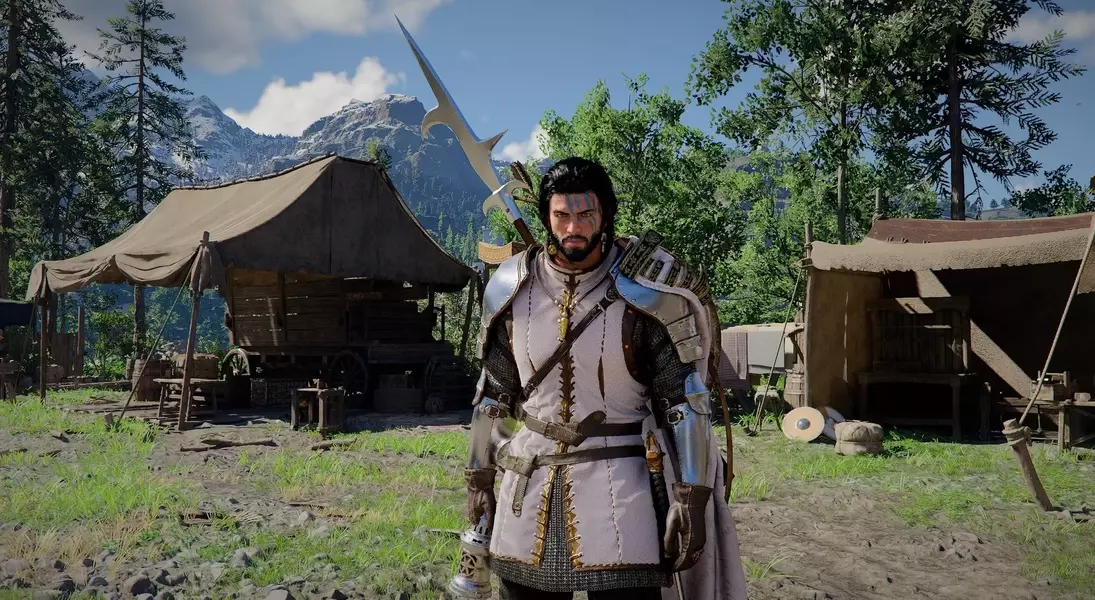
Further into the saga, the brute strength of Oongka, a Greymane orc, joins your ranks. His introduction occurs much later, around Chapter 6, where you'll initially fight alongside him. It is not until the conclusion of Chapter 7 that Oongka fully integrates into your team as a playable character. Wielding heavy weaponry such as axes and hammers, Oongka provides critical crowd control and raw damage output, differing significantly from Damiane's agile approach. His unique orc blaster, a cannon-like ranged weapon, offers a potent alternative for distant threats.
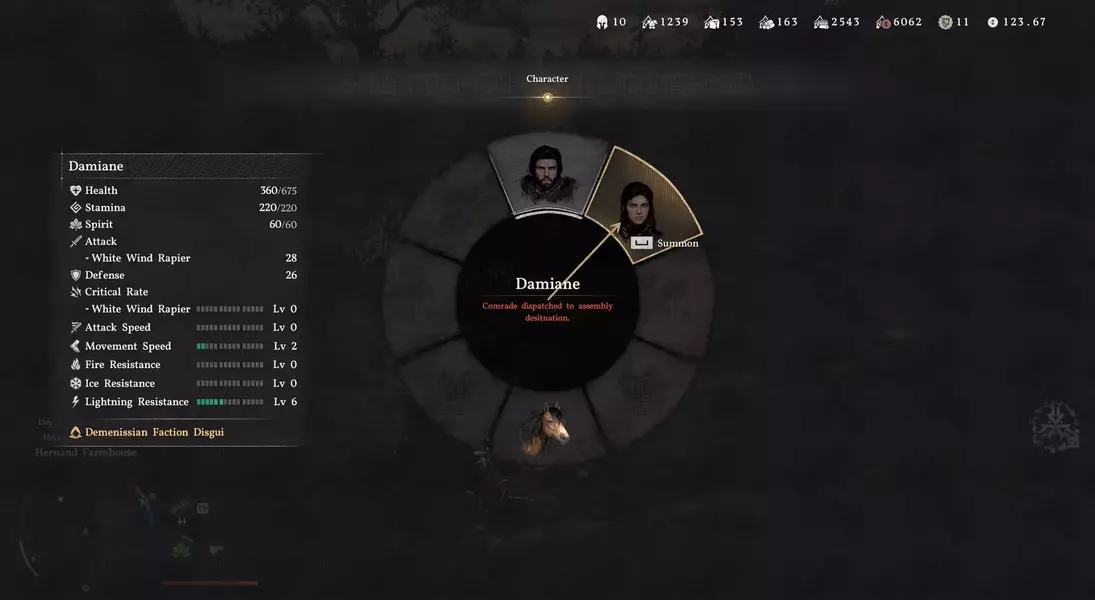
Switching between these characters is designed to be seamless, reminiscent of dynamic character-swapping systems in other popular titles. By pressing F1 (or the up arrow on a controller's D-pad), you can bring up a character selection interface. Hovering over your desired companion and confirming your choice instantaneously shifts control, allowing for strategic adaptation during combat or exploration. This ability to instantly transition between characters, regardless of their in-game location, underscores a fluid and responsive gameplay design.
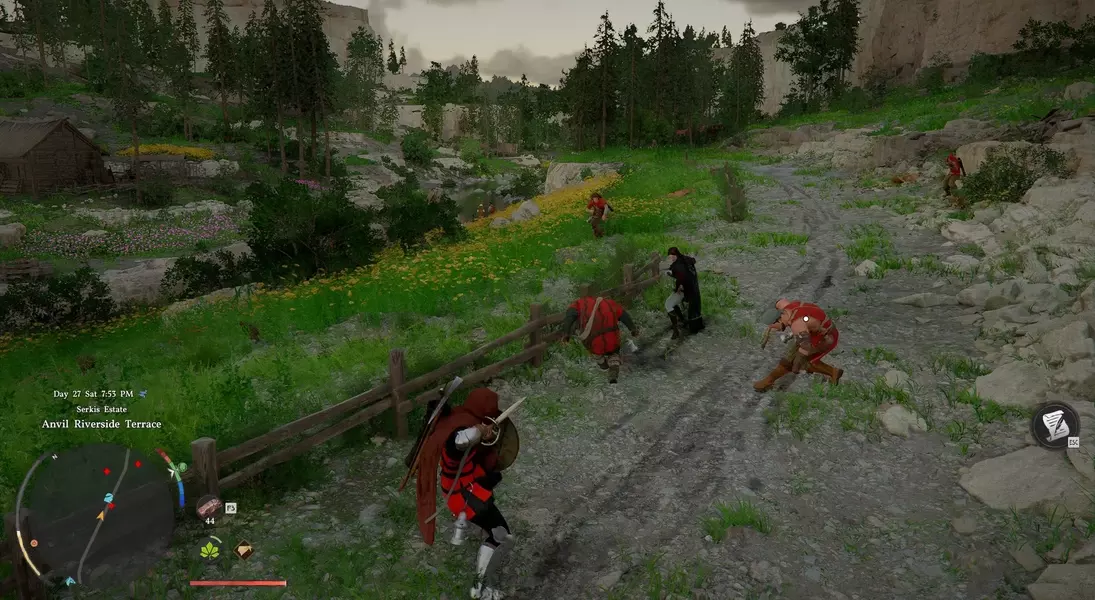
Beyond controlling them directly, companions can also be summoned to fight alongside you. This process is simple yet effective: access the character menu via F1 (or D-pad up), select your chosen companion, and dispatch them. After a brief loading screen, your chosen ally will appear, ready to engage in combat and support your endeavors. They will follow you faithfully until instructed to stand by, offering continuous assistance. Interestingly, summoning your mount will also prompt your companion to summon theirs, showcasing a thoughtful detail in the game's companion mechanics, though this feature has been noted to occasionally exhibit minor bugs.
The integration of these companions not only broadens combat possibilities but also adds a narrative depth, making the journey through Pywel a shared experience rather than a solitary one. Their presence reshapes tactical engagements, allowing for diverse approaches to the game's many challenges.
The companion system in Crimson Desert is a game-changer, offering depth, versatility, and a richer narrative. The ability to dynamically switch between characters and summon allies for combat greatly enhances the strategic possibilities and overall immersion in Pywel. This innovative approach to teamwork promises a more engaging and less isolated adventuring experience, fostering a stronger connection to the world and its inhabitants. It encourages players to think strategically about team composition and utilization, adapting to various challenges with a diverse set of skills at their disposal.
