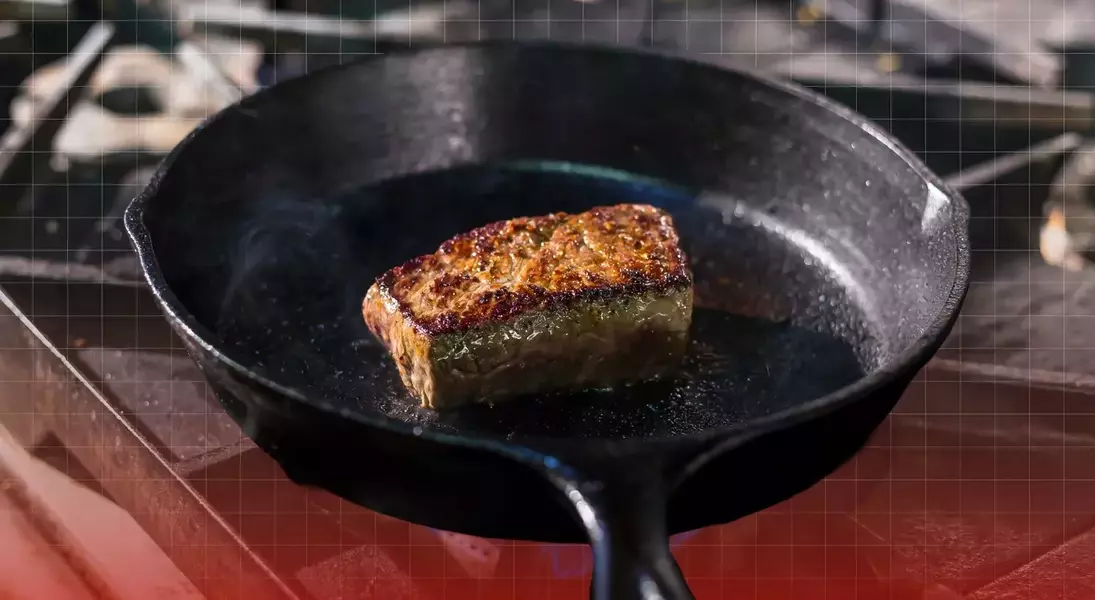
Maintaining cast iron cookware's optimal condition is paramount, and experts highlight that proper storage is key to its longevity. A common oversight is storing cast iron while it's still damp, which inevitably leads to rust and compromises its carefully built-up seasoning. To combat this, ensuring your cast iron pieces are thoroughly dry before storage is crucial. Beyond drying, effective storage solutions—ranging from specialized racks that promote airflow to protective inserts for stacking—play a vital role in preserving the integrity of your cookware, safeguarding it against moisture, and keeping it ready for your next culinary adventure.
The Critical Role of Proper Drying in Cast Iron Maintenance
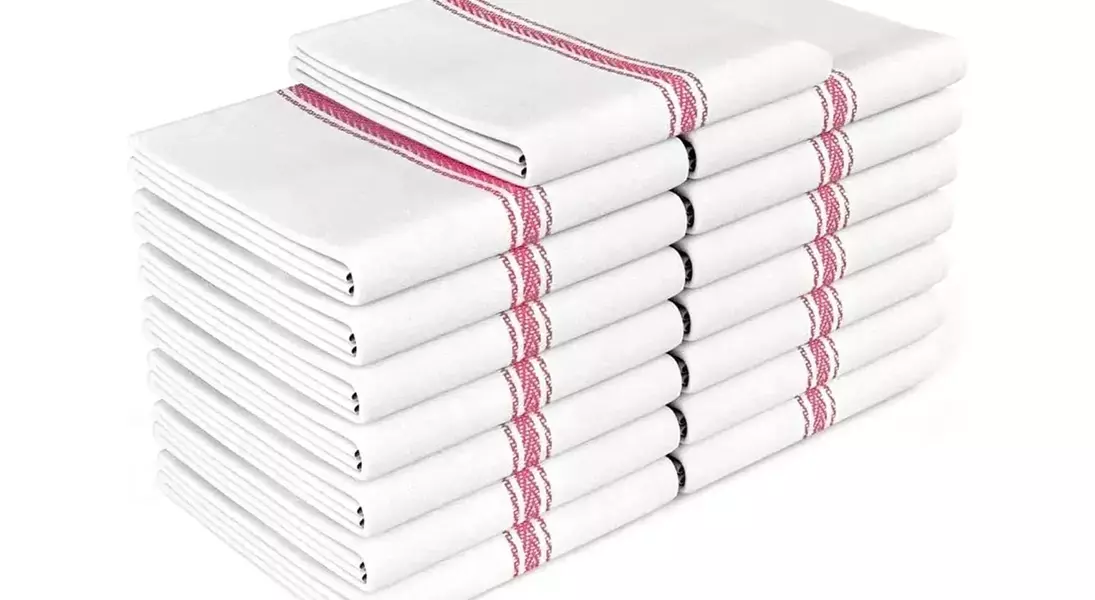
Ensuring your cast iron cookware is completely dry before storage is the single most important step in preventing rust and maintaining its essential seasoning. Even minimal residual moisture can initiate the rusting process, compromising the integrity and performance of your pan. Experts strongly recommend a meticulous towel-drying process immediately after cleaning. High-quality, super-absorbent cotton towels are ideal for this task, as they can effectively remove all traces of water from the surface of the cast iron. This diligent approach creates a dry environment that deters rust formation, protecting the pan's surface and the accumulated seasoning layers that contribute to its non-stick properties and flavor development.
The importance of thoroughly drying cast iron after each use cannot be overstated. Mark Longenecker, co-founder of Lancaster Cast Iron, emphasizes this as the primary advice for new cast iron users. A well-seasoned and completely dry pan can be stored in almost any kitchen area free from excessive humidity. Conversely, a damp skillet is a guaranteed rusty skillet. Utilizing absorbent cotton kitchen towels helps wick away every last drop of moisture, ensuring the cast iron remains in pristine condition. This simple yet crucial step, often overlooked, is fundamental to extending the life of your cast iron and preserving its culinary benefits for years to come. By eliminating moisture, you safeguard against the primary cause of degradation, ensuring your cookware performs optimally.
Optimizing Cast Iron Storage with Smart Organization Solutions
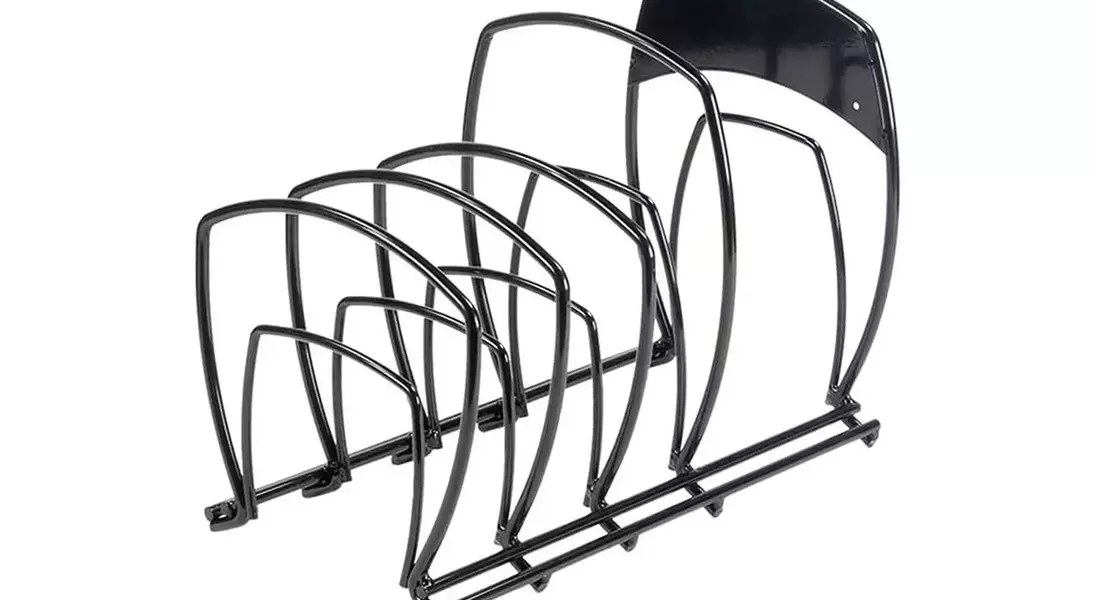
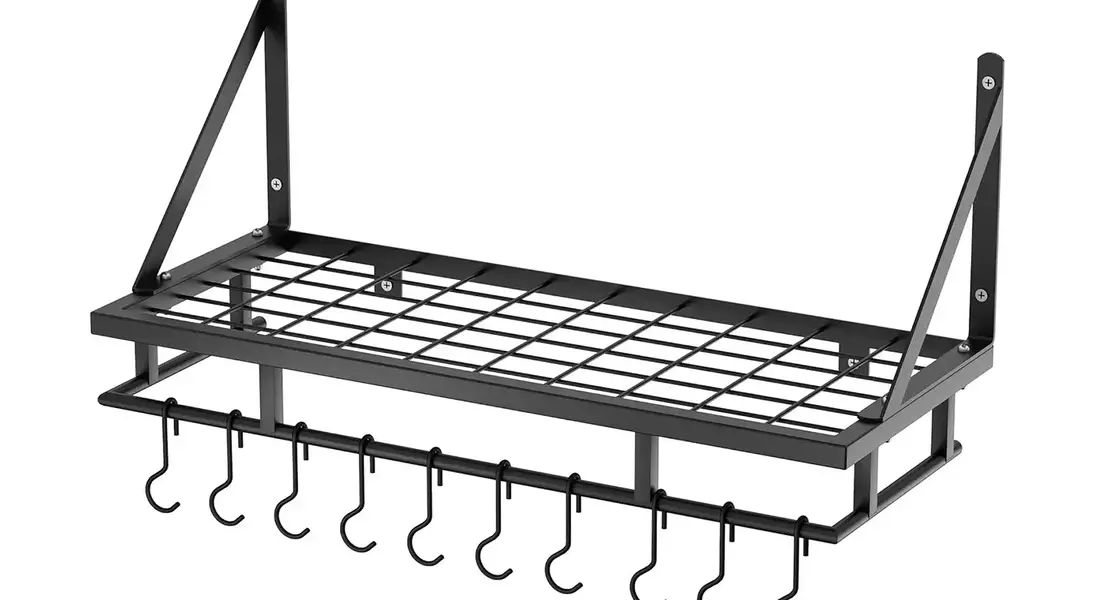
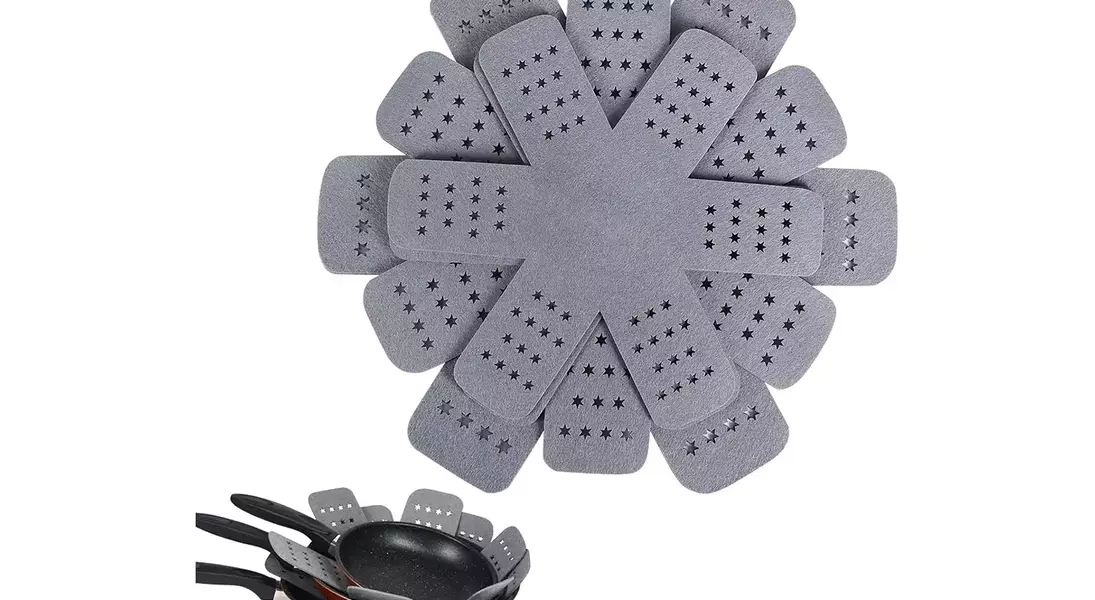
Beyond proper drying, how you store your cast iron cookware significantly impacts its preservation and accessibility. Strategic organization tools not only protect your pans but also enhance kitchen efficiency. For those with wall space, hanging skillets is an ideal method that ensures maximum airflow, a critical factor in preventing rust. Wall-mounted racks provide a practical solution for storing multiple heavy cast iron pieces while keeping them dry and within easy reach. For stacked storage, pan protectors are indispensable for safeguarding surfaces from scratches and absorbing any lingering moisture. Additionally, multi-tier organizers offer a robust solution for cabinets or countertops, specifically designed to support the weight of cast iron while maintaining necessary ventilation between pieces.
Implementing the right storage solutions is essential for both protecting your cast iron and optimizing your kitchen space. For individual pieces, hanging them on a wall-mounted rack is highly recommended by experts like Kris Stubblefield from Lodge Cast Iron, who notes that ample airflow is key to preventing rust. Such racks can often support a substantial weight, accommodating various cast iron pans and other cookware. When stacking is necessary, particularly with other cookware, utilizing felt pan protectors is crucial. These thick, soft, and moisture-wicking pads prevent scratches and absorb dampness. For dedicated cast iron collections, a 5-tier storage organizer, renowned for its durability, allows for efficient stacking while ensuring each piece receives adequate air circulation, making it a valuable investment for any cast iron enthusiast.
