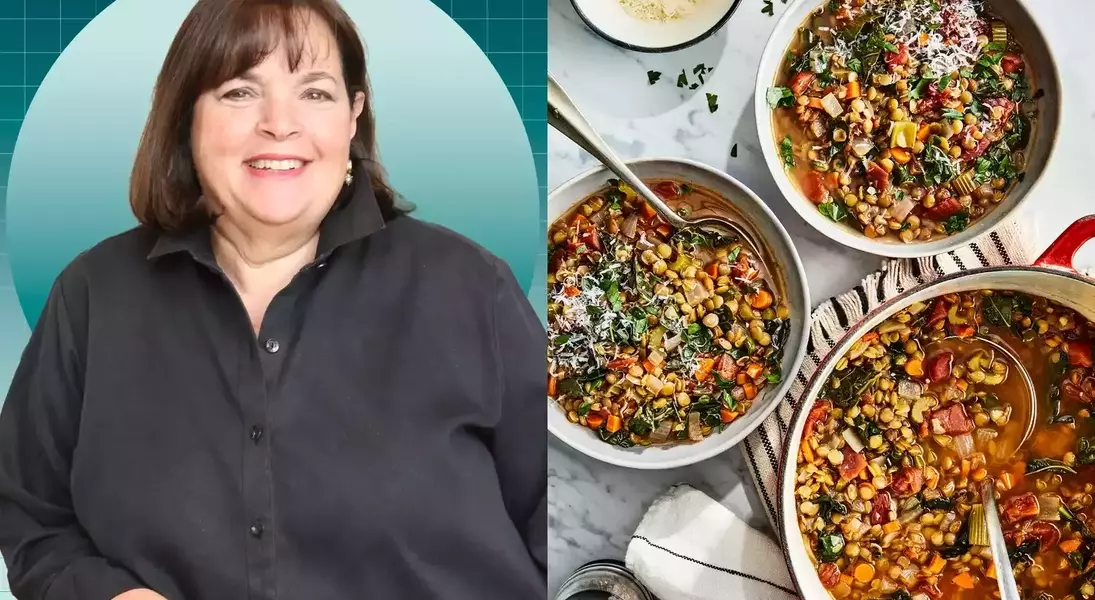
In the culinary world, achieving a perfect bowl of soup often comes down to mastering fundamental techniques. Celebrity chef and cookbook author Ina Garten, known as the Barefoot Contessa, offers six indispensable tips to elevate your soup-making prowess. These insights cover everything from selecting the right cooking vessel and incorporating essential fats to understanding the nuances of simmering, utilizing Parmesan rinds for depth of flavor, correctly timing the addition of legumes, and perfecting the final seasoning. By adhering to these guidelines, home cooks can confidently create soups that are not only delicious but also consistently flavorful, even when reheated.
At the heart of Ina Garten's soup philosophy is the Dutch oven, a piece of cookware she considers indispensable. This heavy, often cast-iron pot excels in heat retention and distribution, creating a stable cooking environment that locks in moisture and cooks ingredients uniformly. Unlike thinner stainless-steel alternatives, the Dutch oven's robust construction and enamel coating allow for a seamless transition from browning meats and sautéing vegetables to slow simmering, all within the same vessel. This versatility is evident in many of Garten's recipes, such as her Ultimate Beef Stew, where all stages of preparation occur in a single Dutch oven, simplifying the cooking process while maximizing flavor.
Another crucial element in Garten's approach is the strategic use of fat. While oil is a standard for initial sautéing, she advocates for the addition of butter, particularly for creamy soups. A few tablespoons of butter can significantly enhance texture, lending a silky consistency and helping disparate flavors integrate harmoniously. Butter's lower smoke point makes it ideal for gently softening vegetables without browning them, contributing to a more delicate flavor profile. This technique is a hallmark of Garten's Creamy Potato Fennel Soup and Cheddar Corn Chowder, where butter plays a pivotal role in achieving their signature richness.
Garten emphasizes the importance of simmering soups 'low and slow' rather than boiling them rapidly. This gentle cooking method is foundational to nearly all her soup recipes. It provides ample time for the individual flavors of ingredients to merge and deepen, creating a more complex and satisfying taste. Moreover, slow simmering helps maintain the structural integrity of ingredients, preventing them from becoming mushy and ensuring a pleasant mouthfeel. This patient approach is key to developing the rich, layered flavors that define truly great soups.
A clever way to infuse soups with a rich, savory depth without overspending on expensive cheese is by using Parmesan rinds. Instead of discarding them, Garten recommends adding these rinds directly to simmering soups. As they cook, they release their distinctive salty, nutty flavor, enriching the broth. The beauty of this method lies in its simplicity: the rinds can be easily removed with tongs once the soup is ready, leaving behind pure flavor. This technique is effective in recipes like her Chicken Pot Pie Soup and various lentil and vegetable soups.
Timing is critical when incorporating legumes into soup. While dried legumes typically require early addition to cook thoroughly, pre-cooked varieties should be introduced much later in the process, ideally during the final half-hour of simmering. Adding them too soon can cause them to disintegrate, disappearing into the broth. Garten's Tuscan White Bean Soup, for instance, explicitly instructs a reduced simmering time when using canned beans compared to dried ones, highlighting the importance of this timing. Similarly, other raw vegetables like onions, carrots, and celery, which form the base for many soups (mirepoix), should be added first to allow them sufficient time to soften and build flavor.
Finally, Garten insists on tasting and adjusting seasonings, particularly salt and pepper, at the very end of the cooking process. As soup simmers, flavors concentrate and ingredients release their natural salts, meaning that premature seasoning can lead to an overly salty dish. Her advice, often concluding her recipes with a directive to 'Taste for salt and pepper,' is especially pertinent for soups containing inherently salty ingredients, such as her Spanish Pea Soup with Crispy Ham. This final adjustment ensures the soup's flavors are perfectly balanced before serving.
Embracing these six techniques from Ina Garten will undoubtedly transform your soup-making. From selecting the appropriate Dutch oven to understanding the roles of fat and heat, and mastering the timing of ingredient additions and final seasonings, each tip contributes to a superior culinary outcome. Furthermore, her advice on reheating ensures that even leftovers retain their deliciousness, often improving with age. By following these expert guidelines, you'll consistently create comforting, deeply flavored soups that delight the palate.
