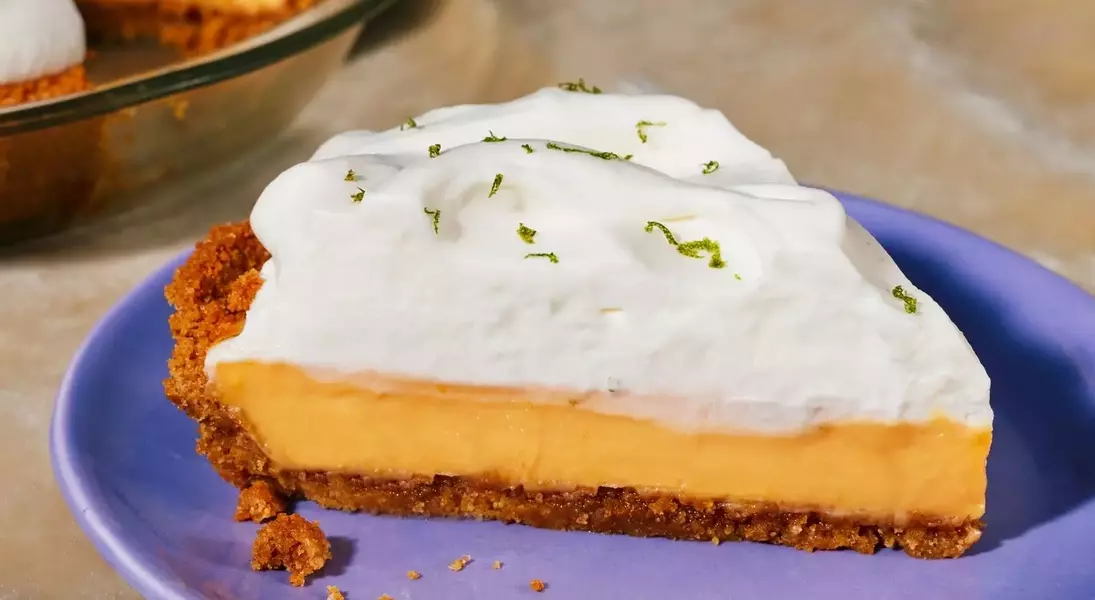
A truly exceptional Key lime pie presents a symphony of contrasting elements: a vibrant, tart custard, a delicately sweetened airy cream, and a substantial, crisp graham cracker base. Often, pie crusts are notoriously fragile and difficult to portion. The inclusion of an egg yolk, however, significantly enhances the integrity of the graham cracker crumbs, butter, and sugar mixture, transforming it into a resilient foundation that holds its form beautifully when sliced. This simple addition also streamlines the process of extracting the initial slice, turning a once precarious maneuver into a straightforward task.
Should authentic Key limes or their juice be unavailable, Persian limes offer a commendable alternative. While they may lack some of the distinctive floral notes and subtle bitterness inherent in Key limes, they still deliver a bright, tangy flavor profile. For optimal results, it is recommended to prepare this dessert a full day in advance, though a minimum chilling period of six hours will suffice. To complete this culinary creation, adorn the pie with a luxurious layer of whipped cream and a sprinkle of fresh lime zest, presenting a dessert that is both visually appealing and exquisitely flavorful.
For those contemplating lime varieties, Persian limes, commonly found in most grocery stores, are an excellent substitute for Key limes. Although Key limes possess a unique floral essence and a hint of bitterness, Persian limes are considerably larger and thus easier to juice. Regardless of the lime chosen, fresh juice is always preferable to pre-bottled options. If you are determined to use Key limes but cannot locate them locally, consider exploring online retailers such as Etsy and Wee! for sourcing.
The integration of an egg yolk into the crust mixture serves a crucial purpose: it acts as a binding agent, creating a firmer, more stable base compared to a standard graham cracker crust. This ensures the pie maintains its shape during serving and allows for clean, precise slices. Furthermore, the egg yolk contributes to the crust’s crispness, preventing it from becoming soggy.
Determining when the pie has finished baking requires careful observation. The pie is adequately cooked when its edges are firm, but the center retains a slight jiggle. A gentle shake of the pie plate should cause the filling to move as a unified mass, rather than slosh loosely. It's important to note that the pie will continue to firm up as it cools and chills, so resist the temptation to overbake it until it is completely rigid. Overbaking can lead to a less silken texture, while insufficient baking or chilling can result in a runny filling.
Prebaking the crust is a vital step that prevents sogginess and enhances texture by ensuring the crust remains crisp and sturdy underneath the filling. In this recipe, it also serves to cook the egg yolk, solidifying the crust before the filling is added.
Yes, this Key lime pie can be frozen. For best results, freeze the pie without the whipped cream topping for up to one month. To serve, thaw it overnight in the refrigerator, or enjoy it directly from the freezer for a different textural experience.
