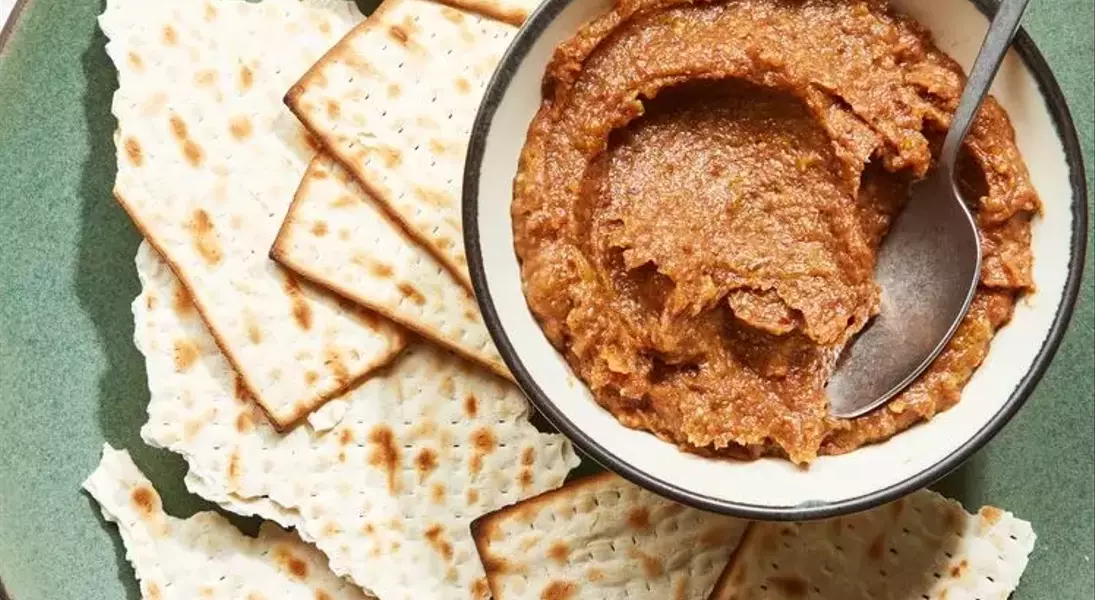
The traditional Ashkenazi charoset, a staple of the Passover Seder plate, is celebrated for its distinctive chunky texture and harmonious blend of sweet and nutty flavors. This cherished recipe, reminiscent of homemade renditions by generations past, combines meticulously hand-diced apples and perfectly toasted walnuts, all infused with the rich sweetness of Malaga wine and a hint of cinnamon. A touch of brown sugar deepens its complexity, making it an indispensable part of the festive meal. Beyond its ceremonial role, this versatile dish offers delightful possibilities for culinary exploration.
The Enduring Allure of Traditional Charoset: A Culinary Journey Through Passover
In the culinary world, particularly within the rich tapestry of Jewish tradition, certain dishes stand out not merely for their ingredients but for the stories and heritage they carry. The Ashkenazi charoset is one such creation, deeply rooted in the Passover Seder. This particular rendition, often praised for its authentic taste that evokes fond memories of family gatherings, masterfully balances the crispness of finely chopped apples with the earthy notes of toasted walnuts. These key components are then lovingly steeped in Malaga wine, a sweet fortified wine, and delicately spiced with cinnamon, culminating in a flavor profile that is both profound and comforting. The addition of a small amount of brown sugar further enhances its depth, creating a symphony of tastes that dance on the palate.
A critical element distinguishing this charoset is its desirable chunky consistency. Culinary experts emphasize the importance of hand-dicing the apples to achieve this perfect texture, advising against over-processing them, which could result in an undesirable applesauce-like mush. The meticulous preparation extends to the walnuts, which are carefully toasted to unlock their full aromatic potential, preventing the final product from tasting bland or flat. This attention to detail ensures every spoonful is a delightful experience.
While charoset is a cornerstone of the Seder, its utility extends far beyond the holiday table. Leftovers, a happy consequence of generous preparation, can be reimagined into various delicious forms. One popular suggestion is to spoon it over creamy yogurt for a delightful breakfast, transforming a traditional dish into a wholesome morning treat. Allowing the charoset to sit overnight or for a second Seder can significantly deepen its flavors, as the ingredients meld and mature, creating an even more complex and satisfying taste. Beyond yogurt, it can serve as a delectable topping for cheesecakes or other Passover-friendly desserts, or even take on a savory role as a relish with melted cheddar on matzo, offering a unique and festive twist on grilled cheese.
For those who enjoy personalizing their culinary creations, charoset offers ample room for adaptation. The sweetness level can be adjusted to individual preference by adding honey or maple syrup, or omitting sugar entirely, depending on the natural sweetness of the apples and wine used. A squeeze of fresh lemon juice can brighten the flavors, especially if the apples are on the sweeter side or if the charoset is prepared in advance, and also helps prevent browning. Incorporating finely grated lemon or orange zest can introduce another layer of aromatic complexity, making the dish truly unique.
The world of charoset is diverse, with variations spanning different Jewish communities. Sephardic charoset, for instance, often features a puréed mixture of nuts and dried fruits like apricots, dates, and golden raisins. Some traditions swap walnuts for pecans, hazelnuts, pistachios, or pine nuts, while others integrate fruits mentioned in the Song of Songs, such as figs and pomegranates, or use different wines like Concord grape juice or elderberry wine. This rich variety underscores the adaptability and cultural significance of charoset, making it a dish that continues to evolve while honoring its ancient roots.
The meticulous preparation of this charoset, from hand-dicing the apples to perfectly toasting the walnuts, highlights the enduring value of traditional cooking methods. It reminds us that often, the simplest techniques yield the most profound flavors and textures. The versatility of charoset, extending beyond its ceremonial role to everyday culinary delights, encourages us to view traditional recipes not as rigid mandates but as flexible foundations for creativity. This adaptability not only honors the past but also inspires new ways to savor and share cultural heritage through food, fostering a deeper connection to both tradition and innovation in the kitchen.
