This guide meticulously outlines the steps required to successfully navigate the intricate 'microphone puzzle' within the immersive game world of 'Big Walk'. It places a strong emphasis on the critical role of sound perception and the proper utilization of audio equipment to overcome this unique challenge. The puzzle's core mechanics revolve around careful listening and precise communication among players, demanding a harmonious blend of individual auditory acuity and team coordination to achieve resolution.
The Auditory Challenge and Setup
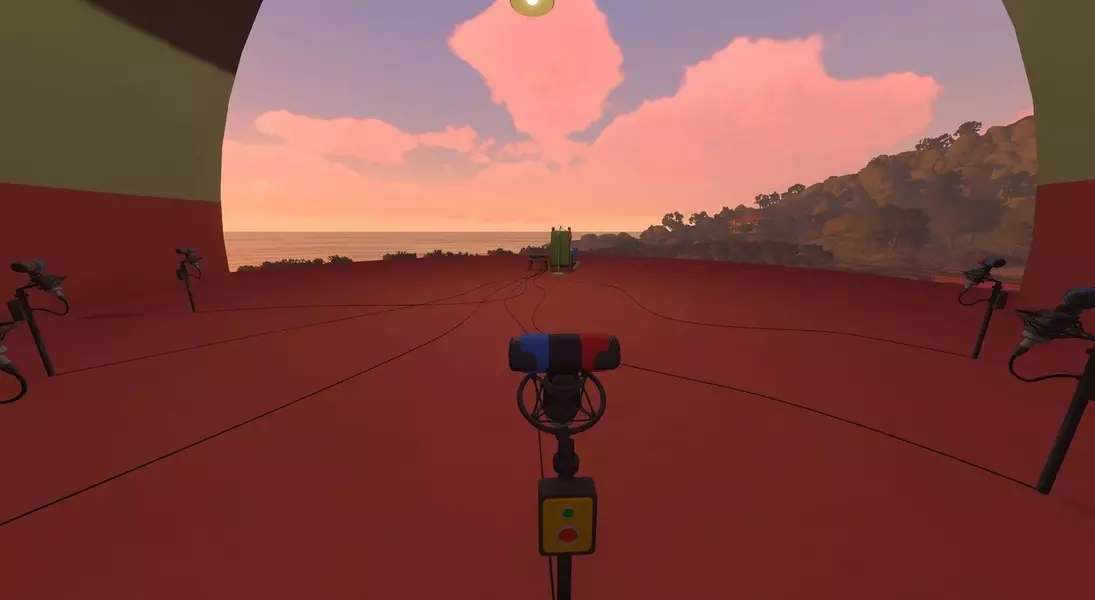
The 'microphone puzzle' in 'Big Walk' presents a significant auditory test for players, requiring keen listening skills and potentially external audio devices like headphones or earbuds for optimal experience. Located strategically in the game world, specifically to the south of a radio transmission facility and west of a prominent yellow tower, the puzzle scene is marked by a distinctive red platform featuring a solitary chair equipped with headphones, flanked by six microphone stands. The initial hurdle lies in discerning the exact sequence of actions needed to activate and resolve this environmental enigma, a task further complicated if players are not utilizing dedicated audio accessories to enhance sound clarity and directional perception.
To embark on solving this distinctive in-game challenge, players must first identify the precise location of the 'microphone puzzle', nestled within the game's expansive landscape, specifically to the south of a key radio transmission point and positioned to the west of a notable yellow structure. Central to the puzzle's mechanics is a red elevated platform, upon which rests a chair fitted with a pair of headphones, encircled by six individual microphone stands. The primary objective is to pinpoint which of these microphones delivers an acoustically perfect, well-balanced auditory output. A crucial preparatory step involves designating a team member, ideally one equipped with high-quality headphones or earbuds, to occupy the chair and serve as the primary listener. While professional-grade audio gear isn't mandatory, any standard pair of earphones will significantly aid in distinguishing the subtle audio cues. The puzzle's design inherently tests players' ability to discern subtle sound variations, making clear audio a fundamental component of success.
Strategic Sound Identification and Resolution
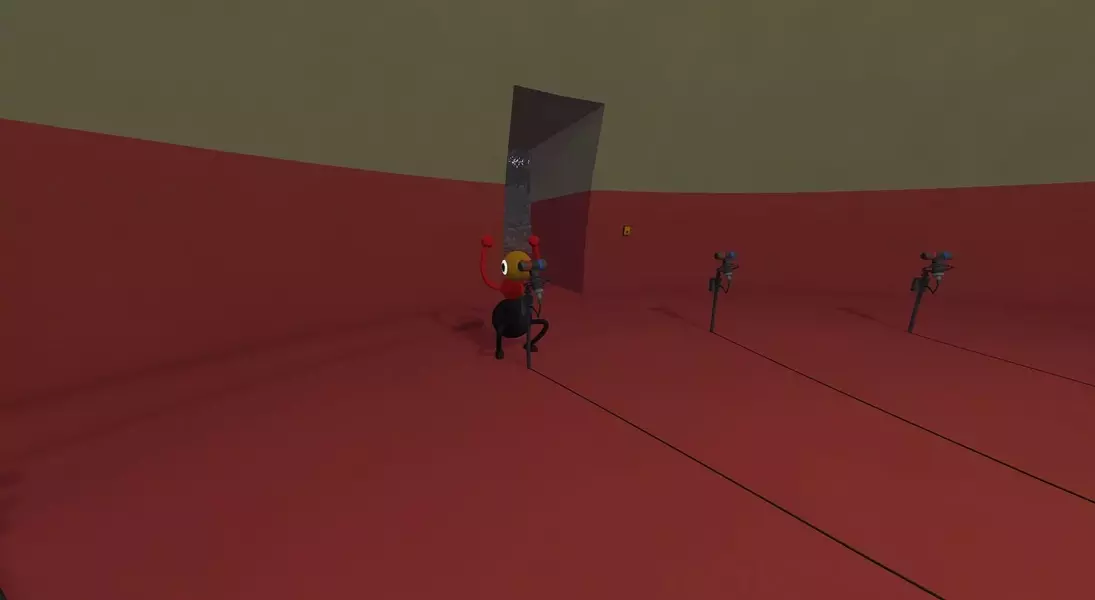
Solving the 'microphone puzzle' hinges on a methodical process where players systematically interact with each microphone to identify the one that produces a perfectly balanced sound. This requires careful coordination, as only one person should speak into a microphone at any given time to prevent audio confusion. The designated listener, seated with headphones, must focus intently on the sound feedback, signaling clearly when the speaker's voice is heard distinctly in both ears. This precise communication, often involving specific hand gestures, guides the process, allowing players to methodically test and select the correct microphone to advance through the puzzle.
To effectively unravel the 'microphone puzzle', a concerted effort is required, involving one participant actively vocalizing into each microphone in succession. It is critically important to maintain a clear communication channel by ensuring that only one individual speaks into a microphone at any given moment; this prevents auditory overlap and confusion, allowing for precise identification of the active sound source. Concurrently, another player, stationed in the designated chair and wearing headphones, must engage in meticulous listening. Their role is to discern the auditory balance, specifically waiting for the moment when the speaker's voice resonates with equal clarity in both the left and right ears. A clear, pre-established signaling system is vital for efficient progress. For instance, in one play-through, a left-hand signal indicated sound solely in the left ear, prompting the speaker to adjust their position, while raising both arms confirmed a perfectly balanced audio input. Upon achieving this binaural clarity, the speaker can then activate a button on the microphone stand, signifying a successful segment of the puzzle and enabling progression to the next stage, iteratively completing the entire sequence.
