In 2025, Marvel Studios embarked on a strategic shift, aiming to prioritize compelling narratives over sheer production volume. This move came after an acknowledgment from Marvel President Kevin Feige that the expansive Marvel Cinematic Universe had begun to feel overwhelming. Despite these intentions and a focus on projects like 'Fantastic Four', 'Thunderbolts*', and 'Captain America: Brave New World'—each with renewed creative approaches—the year concluded with a noticeable decline in box office success, a stark contrast to the MCU's former dominance. This period of underperformance raises critical questions about the franchise's direction and its ability to captivate audiences as it once did.
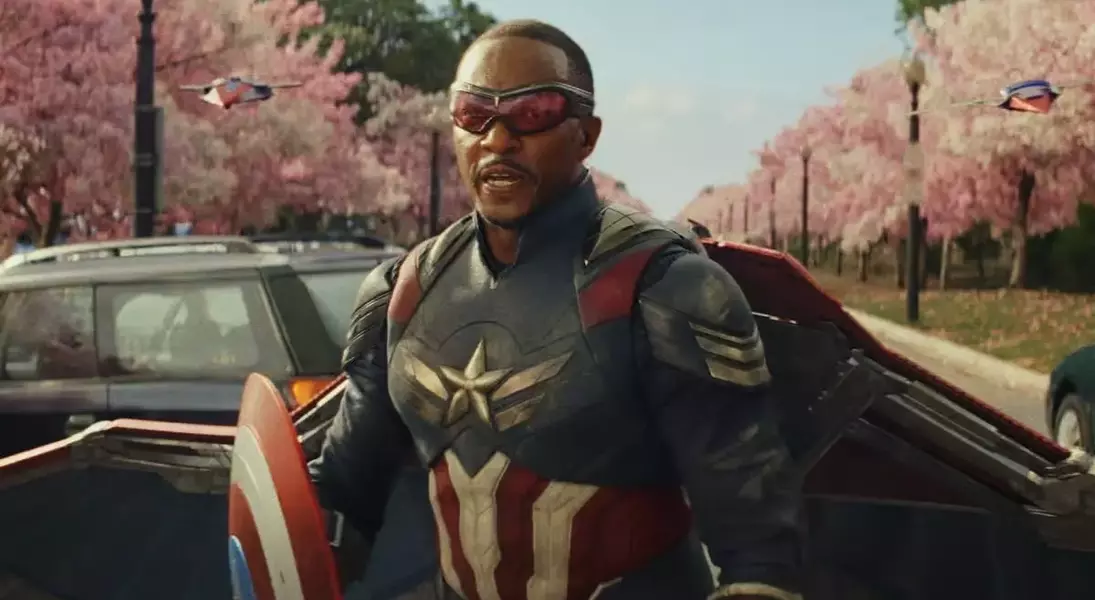
The year began with 'Captain America: Brave New World', a film plagued by extensive production delays and reshoots. While it offered some of the charm of earlier 'Captain America' thrillers, it struggled under the weight of connecting disparate plotlines from the MCU's past while also attempting to lay groundwork for future crossovers. Financially, it achieved a modest $415.1 million against an $180 million budget. This figure, though respectable for a typical action film, fell far short of the billion-dollar benchmarks Marvel films once routinely reached. The tepid audience response to a new Captain America, notably without Chris Evans, highlighted a potential disconnect with fans and foreshadowed the studio's reported decision to bring back original Avengers actors for future installments.
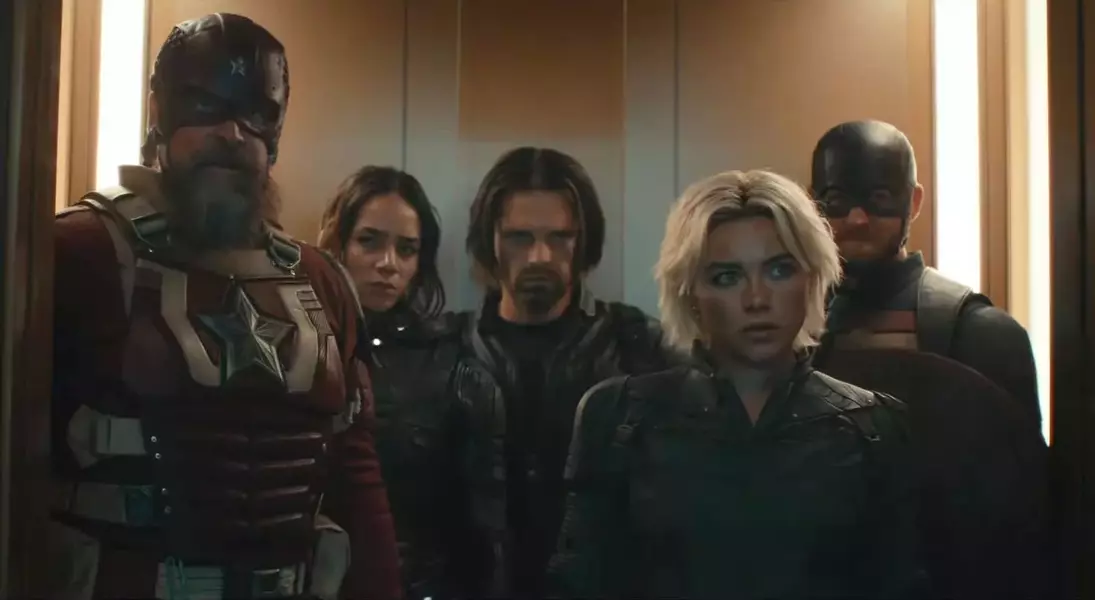
Following this, 'Thunderbolts*' aimed to deliver a character-driven superhero story utilizing lesser-known Marvel characters alongside familiar faces like Bucky Barnes. Despite critical praise for its focused narrative, it too underperformed at the box office, grossing $382 million on a similar $180 million budget. This suggested that even well-executed, character-centric films were struggling to draw the massive crowds that once flocked to MCU releases. The common budgetary constraints observed across these films may hint at internal financial pressures within Marvel, perhaps stemming from a challenging 2023.
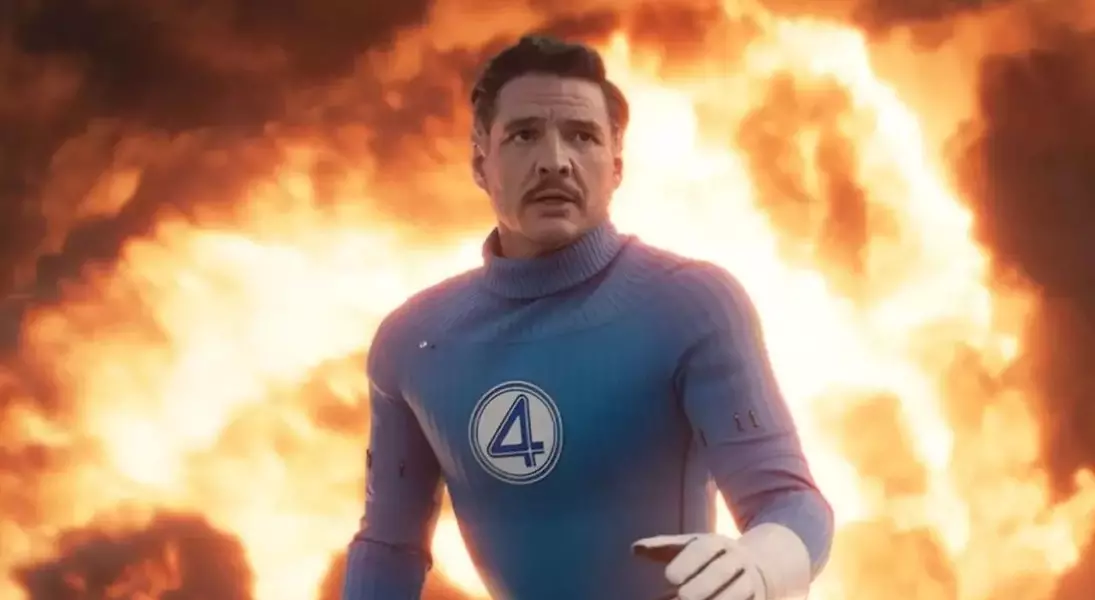
The most ambitious release of 2025 was 'The Fantastic Four: First Steps'. Promising a standalone story unconnected to the existing MCU continuity, the film was lauded for its visual flair, drawing inspiration from cinematic classics. Yet, even with a larger budget of $230 million, it only managed $522 million globally. This disappointing return suggests that audiences might have been wary of yet another 'Fantastic Four' adaptation, or perhaps that the 'no-homework' approach, intended to be a fresh start, inadvertently alienated fans who had grown accustomed to the interconnected nature of the MCU. Its performance even lagged behind less-acclaimed past MCU entries like 'Thor: The Dark World', underscoring the shifting landscape of superhero cinema.
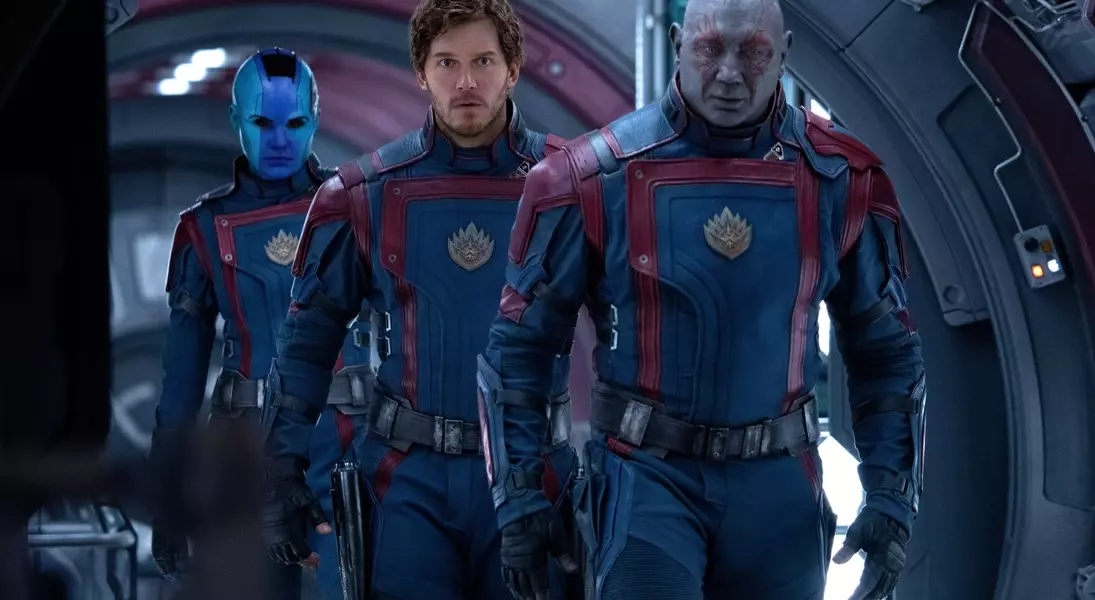
Comparing 2025 to a decade prior, such as 2015, reveals a stark decline. In 2015, 'Avengers: Age of Ultron' effortlessly surpassed a billion dollars, while 'Ant-Man', a film about a relatively obscure hero, earned $520 million—a figure nearly matching 'Fantastic Four's' highly anticipated debut. This contrast highlights a significant change in audience engagement and the broader theatrical market, which has been impacted by evolving entertainment habits, economic factors, and global events. The earlier success of 'Guardians of the Galaxy Vol. 3' in 2023, which neared $800 million, offered a brief glimpse of hope, but by 2025, that optimism for a return to former glory seemed to have largely dissipated.
As Marvel Studios looks towards 2026, much hinges on 'Avengers: Doomsday'. This upcoming film appears poised to rely heavily on nostalgia, reportedly bringing back iconic actors like Robert Downey Jr. and the original X-Men cast. This strategy suggests a potential shift towards leveraging established fan favorites rather than purely innovative storytelling. Whether this can reignite the franchise's immense box office power and overcome the recent slump remains to be seen. If 'Doomsday' fails to deliver a substantial resurgence, 2025 might be remembered as the year when the Marvel Cinematic Universe truly began to face its biggest challenges yet, marking a critical juncture for the superhero genre.
