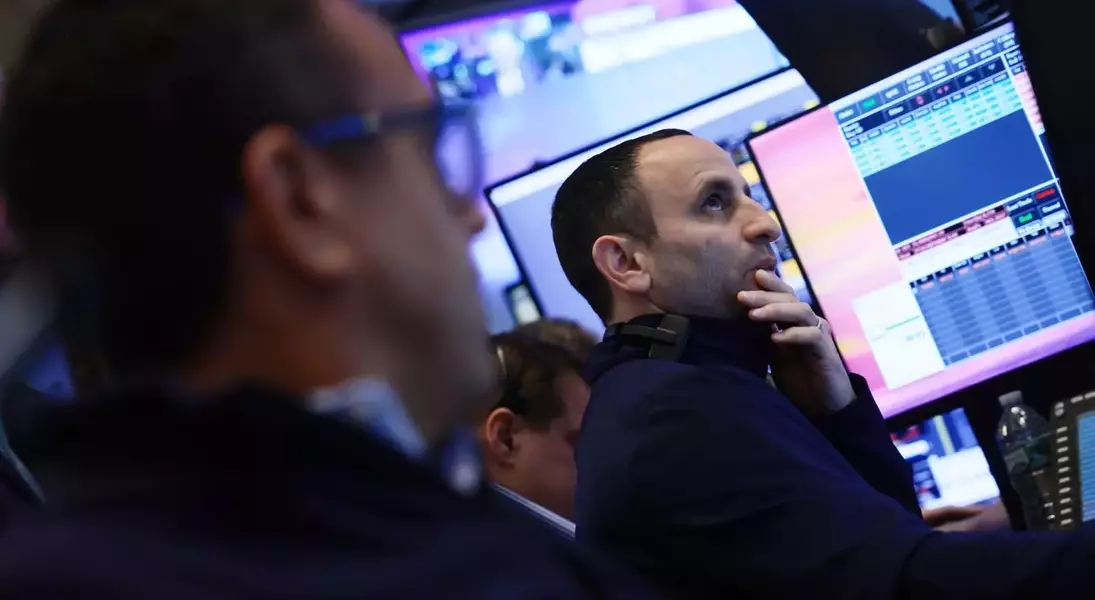
The CBOE Volatility Index, or VIX, a key indicator of market sentiment, has shown significant activity this week, reflecting investors' anxiety amidst growing geopolitical tensions. The index, which tracks the market's expectation of price fluctuations in the S&P 500 over the next month, experienced its highest peak this year as the U.S.-Iran conflict continued. This surge underscores the immediate re-evaluation of geopolitical risks by financial markets, rather than a response based on fundamental economic shifts. As oil prices climbed sharply, concerns about potential disruptions to global oil supplies and their impact on inflation and economic activity intensified. JPMorgan economists have highlighted the significant macroeconomic risks associated with the current conflict, drawing parallels to past major geopolitical events. Amidst these turbulent conditions, the behavior of the VIX offers valuable insights into market expectations and investor sentiment, guiding both short-term traders and long-term investors.
The VIX's rapid rise signals an urgent need for investors to assess their strategies. Historically, periods of high volatility, while unsettling, have also presented unique opportunities. Financial advisors suggest that rather than succumbing to panic selling, investors should evaluate their long-term financial goals and market outlook. For those nearing retirement, the advice is to maintain perspective and consider market dips as chances to invest at lower prices, leveraging the eventual market recovery. Additionally, tax-loss harvesting and converting traditional IRA funds to Roth accounts are tactical moves that can be beneficial during sell-offs. While some experts advise caution against buying dips too soon, others believe that unless the conflict leads to sustained disruptions in critical trade routes, its long-term economic impact might remain contained. The situation calls for a balanced approach, combining a deep understanding of market dynamics with prudent financial planning.
Market Anxiety and the VIX Indicator
The VIX, often referred to as Wall Street's 'fear gauge', recently climbed to its highest point this year, signaling increased market anxiety driven by the ongoing U.S.-Iran conflict. This index, which monitors the expected volatility of the S&P 500 over the next 30 days, saw a substantial intraday increase of up to 31%. This dramatic movement reflects investor concerns about geopolitical instability and its potential effects on the global economy. The heightened volatility is largely attributed to fears of disrupted oil supplies, leading to surging oil prices and potential inflationary pressures. Such rapid market shifts prompt a re-evaluation of investment strategies, emphasizing the importance of understanding how geopolitical events influence market sentiment and asset prices.
The VIX's behavior provides critical insights into how traders perceive future market conditions. A reading below 20 typically indicates a calm market, while anything above suggests investor nervousness. The recent spike above this threshold demonstrates a collective anticipation of turbulence. This increase in volatility directly impacts investment costs, particularly for those seeking to hedge their portfolios through options contracts. Furthermore, significant VIX spikes can trigger automated selling, exacerbating short-term losses even when underlying economic fundamentals remain unchanged. Historically, major geopolitical shocks have led to temporary market drawdowns, with recovery typically occurring within a few weeks, provided the economic environment is stable. Therefore, understanding the VIX's signals is crucial for investors navigating uncertain times.
Navigating Geopolitical Risks in Investment
The current geopolitical landscape, marked by the U.S.-Iran conflict, presents significant macroeconomic risks for investors, drawing comparisons to past major global events. The potential for disruptions in critical oil supply routes, such as the Strait of Hormuz, could lead to a sharp increase in oil prices, fueling inflation and challenging central banks' monetary policy decisions. This situation complicates the Federal Reserve's efforts to manage interest rates amid a fluctuating job market and inflation rates that still exceed target levels. Such external shocks necessitate a careful assessment of investment portfolios and a consideration of strategies to mitigate risk and capitalize on opportunities that may arise from market re-pricing.
In response to these geopolitical tensions, financial experts advise investors against impulsive decisions and encourage a long-term perspective. While the immediate market reaction can be unsettling, historical data suggests that markets tend to recover from geopolitical shocks over time, especially in a healthy economic environment. For long-term investors, particularly those approaching retirement, market downturns can offer opportunities for strategic maneuvers like tax-loss harvesting and Roth IRA conversions at lower asset values. However, short-term traders face a more nuanced environment, with differing opinions on the prudence of buying market dips. Ultimately, informed decision-making based on a thorough understanding of economic fundamentals and geopolitical impacts is key to successfully navigating periods of increased market volatility.
