


In the dynamic world of finance, where market forces constantly ebb and flow, a crucial dichotomy emerges between transient cyclical gains and enduring sustainable growth. While both the market and the broader economy inherently strive for equilibrium, they rarely achieve it in real-time, often creating temporary windows of opportunity for exceptional value. This analysis delves into the prevalent market phenomenon where these episodic bursts of prosperity are frequently misjudged as perpetual, leading to significant overvaluations. Conversely, enterprises that meticulously cultivate stable, predictable revenue streams are often overlooked, presenting a compelling case for astute investors to capitalize on this inherent inefficiency.
The Illusion of Permanence: A Deep Dive into Micron's Cyclical Trajectory
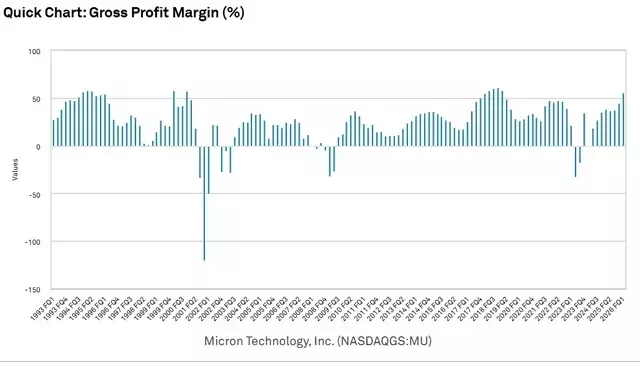
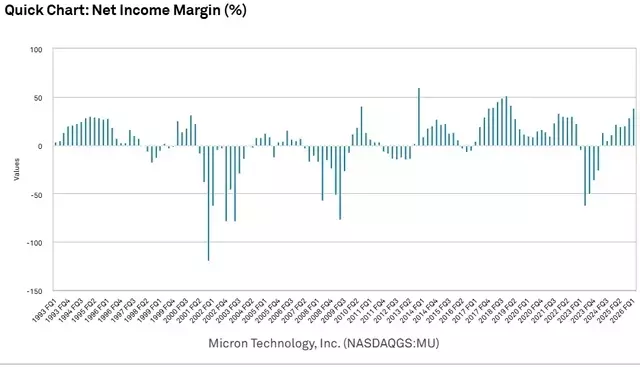
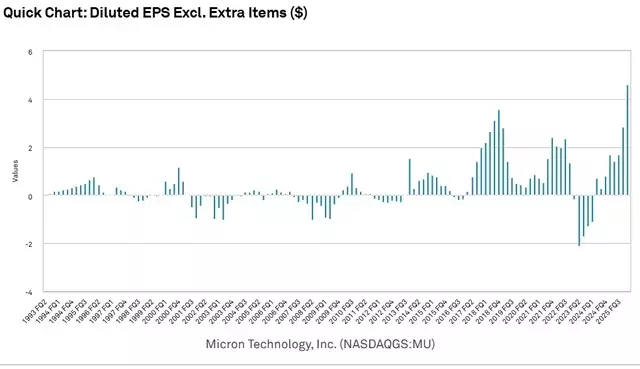
The current landscape vividly illustrates how imbalances between supply and demand can trigger economic inefficiencies, granting companies in short supply the advantage of elevated margins, increased sales volume, or both, thereby boosting their profitability beyond conventional levels. However, history unequivocally demonstrates that such periods of extraordinary gain are typically fleeting. The allure of outsized profits inevitably draws new competitors and encourages existing players to ramp up production or innovate, ultimately restoring market equilibrium and normalizing profit margins. A prime example of this cyclical ebb and flow is Micron Technology, Inc. (MU). The company is currently experiencing an unprecedented surge in growth, with projected earnings skyrocketing from $8.29 in 2025 to an astounding $96.92 in 2027. This explosive trajectory is primarily fueled by a severe global shortage of memory products, both NAND and DRAM, exacerbated by the relentless expansion of AI infrastructure. This scarcity translates into full sales volumes and significantly higher unit prices for Micron, propelling its earnings into a parabolic ascent. Despite Micron's well-documented history of fluctuating gross and net profit margins—a clear indicator of its cyclical nature—the stock's dramatic 300%+ surge suggests the market is erroneously pricing this temporary bonanza as an everlasting trend. Each period of prosperity in Micron's past has been invariably followed by a downturn, characterized by weak or even negative earnings, as increased industry capacity transforms undersupply into oversupply, driving prices down and compressing margins. Even Micron itself is actively contributing to this cycle by investing over $25 billion in capital expenditure for new fab facilities, further underscoring the impermanence of the current high-margin environment. This pattern highlights a critical flaw in market perception: the tendency to extrapolate current rapid growth indefinitely, overlooking the inherent feedback mechanisms that govern commodity markets where high prices naturally stimulate increased supply, ultimately leading to price corrections.
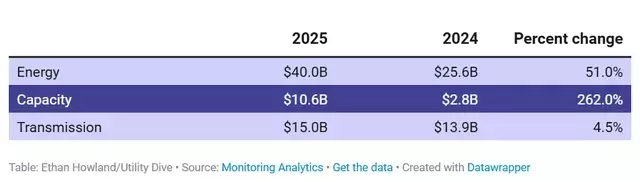
This misjudgment isn't confined to Micron alone; it extends to a broad spectrum of companies experiencing immediate revenue surges from the AI buildout, such as turbine and power plant equipment manufacturers like GE Vernova (GEV), and independent power producers (IPPs) benefiting from inflated auction prices. These entities, much like Micron, sell products with instant revenue recognition, making their current high earnings susceptible to the inevitable restoration of equilibrium. In stark contrast, companies operating on recurring revenue models, like data center REITs such as Equinix (EQIX) and regulated utilities, offer a more stable and sustainable growth narrative. While their growth might appear less spectacular in the short term, their consistent revenue streams lack the volatility and abrupt declines characteristic of cyclical earners. For instance, data center REITs, by building and leasing essential infrastructure, secure long-term revenues without facing the precipitous drops seen in commodity markets. Similarly, regulated electric utilities, through strategic and permanent expansions of their rate bases, capture a steady and enduring form of growth. This fundamental difference suggests that long-term sustainable growth should command a premium multiple over fleeting cyclical peaks, yet the market currently values explosive, transient growth more highly. This discrepancy presents a significant opportunity for investors to rebalance their portfolios, pivoting from companies with ephemeral revenue bursts to those demonstrating resilient, repeatable revenue streams, thereby harnessing market inefficiencies for superior, risk-adjusted returns over the long haul.
