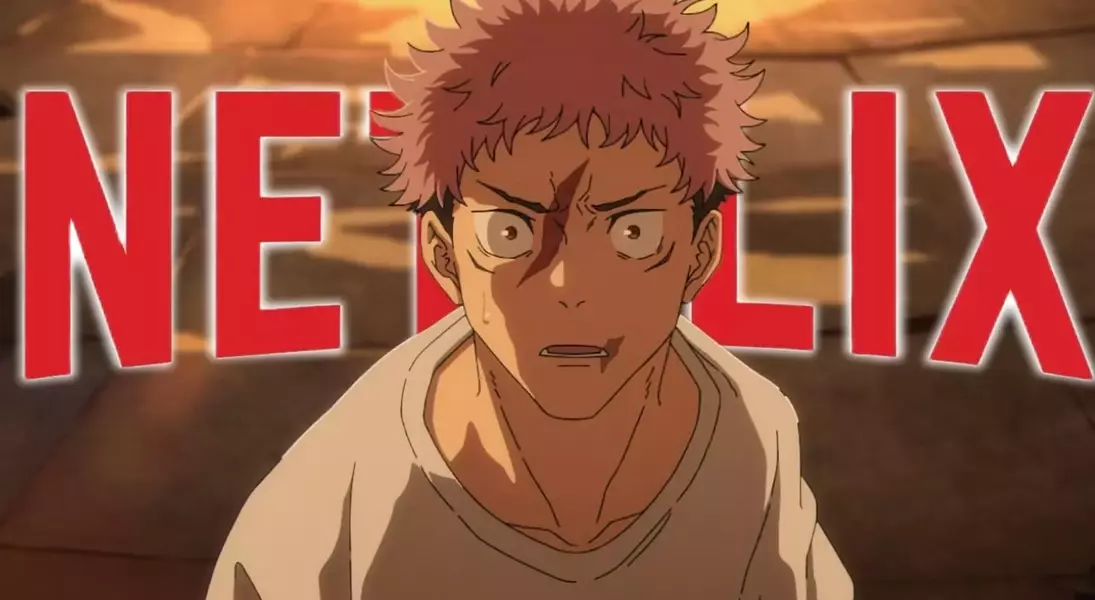
MAPPA, a prominent animation studio celebrated for global successes such as Jujutsu Kaisen, Chainsaw Man, and the latter half of Attack on Titan, has announced an enhanced collaboration with Netflix. This strategic alliance, which began in 2020, will see the two entities developing new projects with an international focus, with Netflix securing exclusive distribution rights for a series of MAPPA's future works. This development reflects Netflix's strong commitment to anime, as over half of its subscribers engage with anime content, and viewership has seen a three-fold increase over the past five years. Notably, in 2024 alone, anime titles on Netflix garnered over a billion views, solidifying Japanese content, including anime, as the platform's second most-watched category globally, trailing only English-language productions.
This renewed partnership marks a significant stride for MAPPA, following its 2022 decision to self-finance the initial season of Chainsaw Man, thereby circumventing the traditional Japanese 'production committee' system. Such a powerful collaboration with Netflix could empower MAPPA with a degree of creative autonomy rarely seen among Japanese animation studios, although Netflix will undoubtedly retain influence over these ventures. Despite past concerns regarding animators' working conditions, MAPPA's Vice President, Hiroya Hasegawa, has pledged to address these issues by prioritizing mentorship and fostering a healthier work-life balance, signaling a move towards more sustainable production practices.
However, the emphasis placed by both MAPPA and Netflix representatives on anime's global appeal has sparked some apprehension among fans. MAPPA CEO Manabu Otsuka's statement about Japanese animation studios needing to lead project development from understanding global audience needs to expanding related businesses has reignited a debate within the industry. Esteemed figures like Hideaki Anno (Neon Genesis Evangelion) and Tomohiko Ito (Sword Art Online) have previously voiced concerns about anime potentially over-catering to Western tastes, advocating for the primary focus to remain on domestic audience reception. While MAPPA has consistently delivered groundbreaking anime, critics worry that an excessive push for global marketability could dilute the unique cultural essence that defines Japanese animation. Nevertheless, this partnership could offer a pathway for MAPPA to revolutionize the industry, particularly given the challenges posed by traditional production models, as evidenced by the problematic third season of One-Punch Man. The hope remains that this collaboration will foster innovation without compromising artistic integrity or narrative depth.
The expanded partnership between MAPPA and Netflix represents a pivotal moment for the anime industry, promising both unprecedented global reach and potential creative freedoms. By embracing this forward-looking collaboration, MAPPA has the opportunity to set new standards for anime production, ensuring that its rich storytelling and distinctive artistic vision continue to captivate audiences worldwide, while also inspiring a more supportive and sustainable environment for its talented creators.
