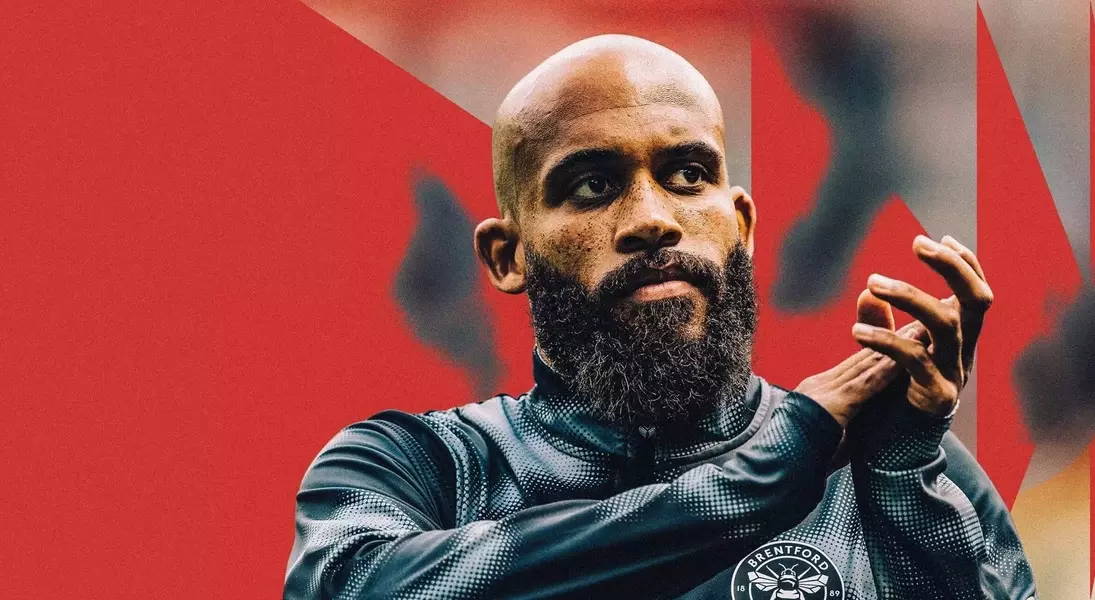
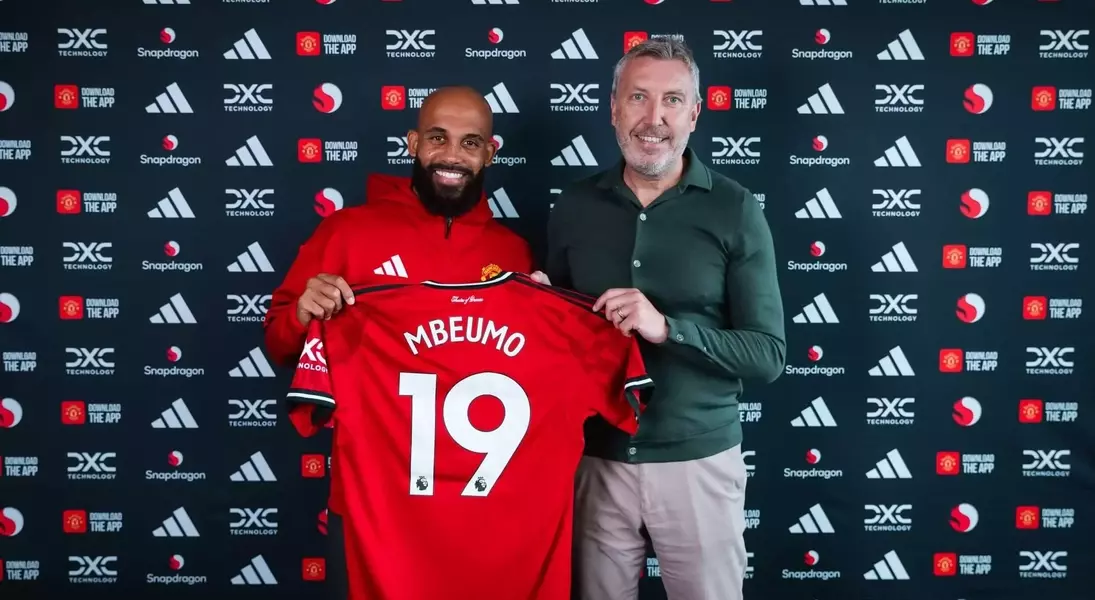
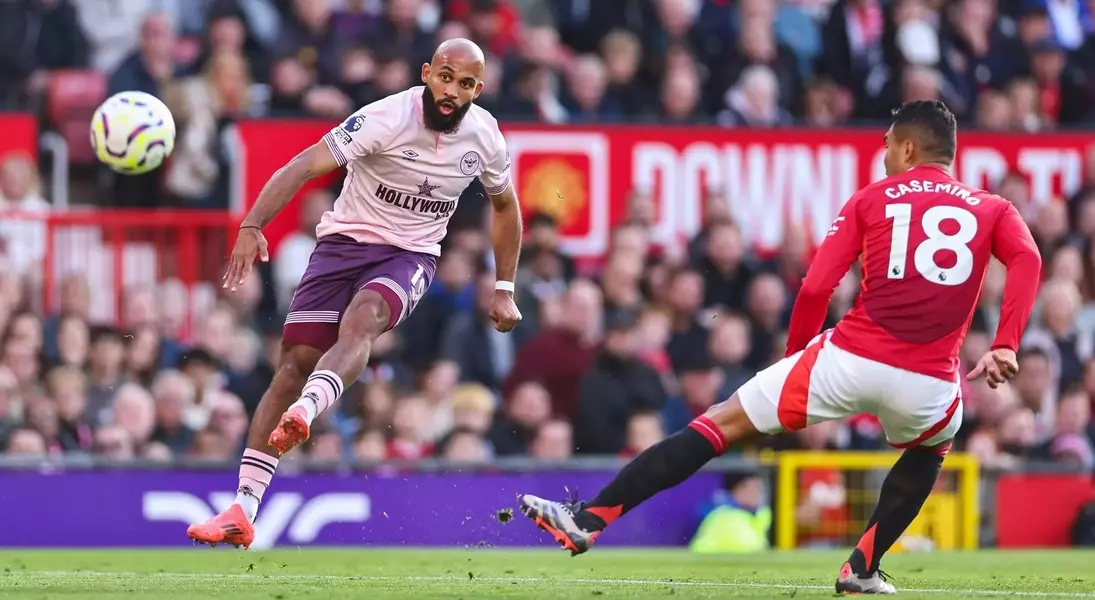
The recent acquisition of Bryan Mbeumo by Manchester United marks the culmination of an arduous, 44-day negotiation period. This significant transfer, characterized by persistent offers and counter-offers, is viewed within Old Trafford as a pivotal step towards enhancing the team's attacking prowess under the new coaching leadership. Despite the extended timeline, which fueled fan anticipation, the club maintains that the deliberate pace was justified, ultimately securing a key player for the upcoming season. Mbeumo's arrival is expected to inject much-needed dynamism into United's forward line, addressing their previous season's goal-scoring deficiencies and aligning with the strategic vision of bringing established Premier League performers to the club.
Details Emerge on Bryan Mbeumo's Journey to Old Trafford
In a protracted and meticulously observed transfer saga, Manchester United successfully brought Bryan Mbeumo into their ranks on Saturday, July 21, 2025, after 44 days of intense negotiations. The journey began with United's initial, more conservative offers, encountering a resolute Brentford, who firmly believed in Mbeumo's substantial market value. This conviction was partly influenced by the earlier transfer of Matheus Cunha to United, which set a benchmark for high-caliber attacking talent.
Following Liam Delap's decision to join Chelsea, United swiftly shifted their focus to Mbeumo. Despite offers from other prominent clubs like Newcastle United and Tottenham Hotspur, Mbeumo's clear preference for Manchester United remained a constant. The club's first bid of £45 million, supplemented by £10 million in add-ons, was deemed insufficient by Brentford, leading to prolonged discussions. Reports, though denied by Tottenham, of a £70 million bid from them served as a further yardstick for Mbeumo's valuation, compelling United to reconsider their financial commitment.
United's second offer, totaling £55 million plus £7.5 million in add-ons, mirroring Cunha's transfer fee, was also rejected by Brentford, creating an impasse. This resistance led to a three-week period of quiet, a strategic pause employed by United in the hope of compelling Brentford to re-engage. During this time, Mbeumo, demonstrating unwavering commitment to joining United, made his intentions clear to Brentford officials. His return to pre-season training on July 14, while professional, underscored his desire for the move, accelerating the process.
A crucial breakthrough occurred during a summit in Iceland, where Sir Jim Ratcliffe, accompanied by Chief Executive Omar Berrada and Football Director Jason Wilcox, sanctioned a third bid. This decisive meeting, held amidst Ratcliffe's personal engagements, led to an offer of £65 million plus £5 million in add-ons, aligning closely with the previous £70 million valuation. Ultimately, Brentford secured an additional £1 million, bringing the total package to £70 million, payable over four years. This record-breaking sale for Brentford, doubling their previous highest transfer fee, underscored their shrewd business acumen.
Upon receiving permission, Mbeumo traveled to Manchester, undergoing his medical and completing paperwork over the weekend at Carrington. With United's pre-season tour to Chicago, New Jersey, and Atlanta imminent, the club diligently arranged his work visa, ensuring his timely inclusion in the squad for the flight on Tuesday. This successful transfer, while acknowledging the high price point, reflects Manchester United's strategic imperative to acquire proven Premier League talent and address critical team needs, reinforcing their ambitions under Ruben Amorim's leadership.
The protracted negotiation for Bryan Mbeumo underscores a fascinating dynamic in modern football transfers: the delicate balance between a club's financial prudence and its urgent need for talent. From a fan's perspective, the 44-day wait, filled with speculation and anxiety, was undoubtedly agonizing. However, observing the intricate dance between Manchester United's calculated offers and Brentford's steadfast valuation, one gains an appreciation for the strategic depth involved. It highlights that in today's market, even for a club of United's stature, securing a top-tier player requires not just financial might, but also astute negotiation, patience, and an understanding of the selling club's unique business model. This saga serves as a reminder that the transfer window is not merely about exchanging money for players, but a complex chess match where every move, every silence, and every counter-offer carries significant weight, ultimately shaping the destiny of both clubs and players.
