

Ruben Amorim's tenure at Manchester United has been a fascinating study in tactical adherence amidst challenging circumstances. Despite a rocky start that saw the team finish 15th last season, his unwavering commitment to a 3-4-2-1 formation suggests a clear long-term vision. This approach, centered on robust defensive building and a reliance on key attacking roles, is now poised for a significant turning point, bolstered by strategic summer acquisitions and a full pre-season to embed his distinct methodology. The upcoming campaign will be a crucial test of whether his structured system can finally yield the consistent performance and stability Manchester United yearns for.
Upon his arrival, 11 games into the previous season, Amorim faced the daunting task of reshaping a squad accustomed to a different footballing identity. His initial efforts to integrate a radically new system were met with difficulties, leading to the club's lowest Premier League finish. Players appeared to struggle with the demands of his tactical setup, often overthinking their roles during matches. However, with the benefit of a complete pre-season training regimen and the addition of talented forwards such as Matheus Cunha, Bryan Mbeumo, and Benjamin Sesko, the club anticipates a more seamless integration of his strategic principles.
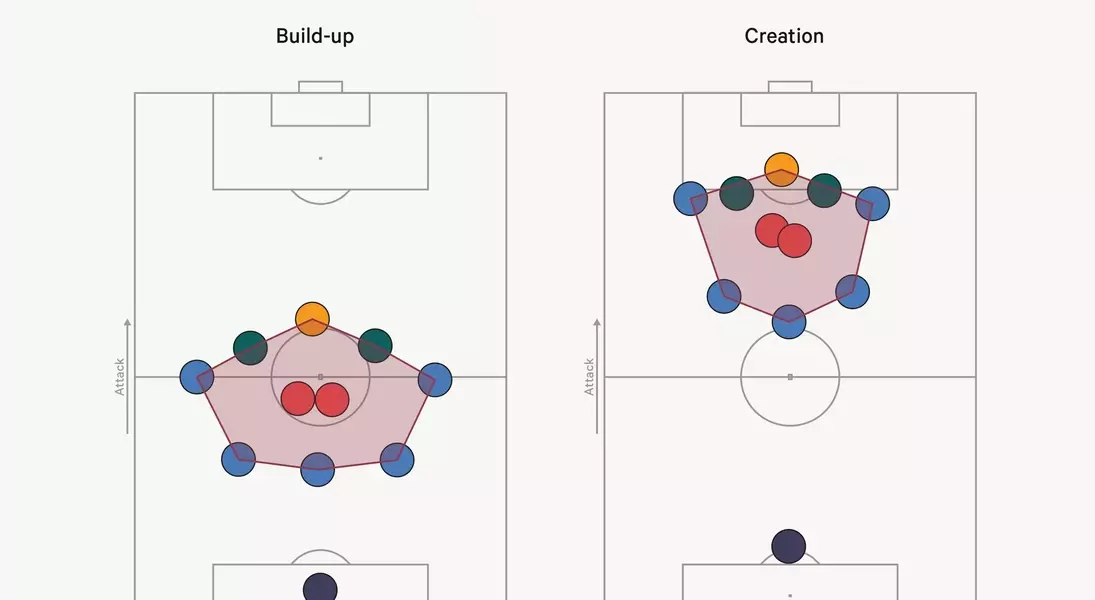
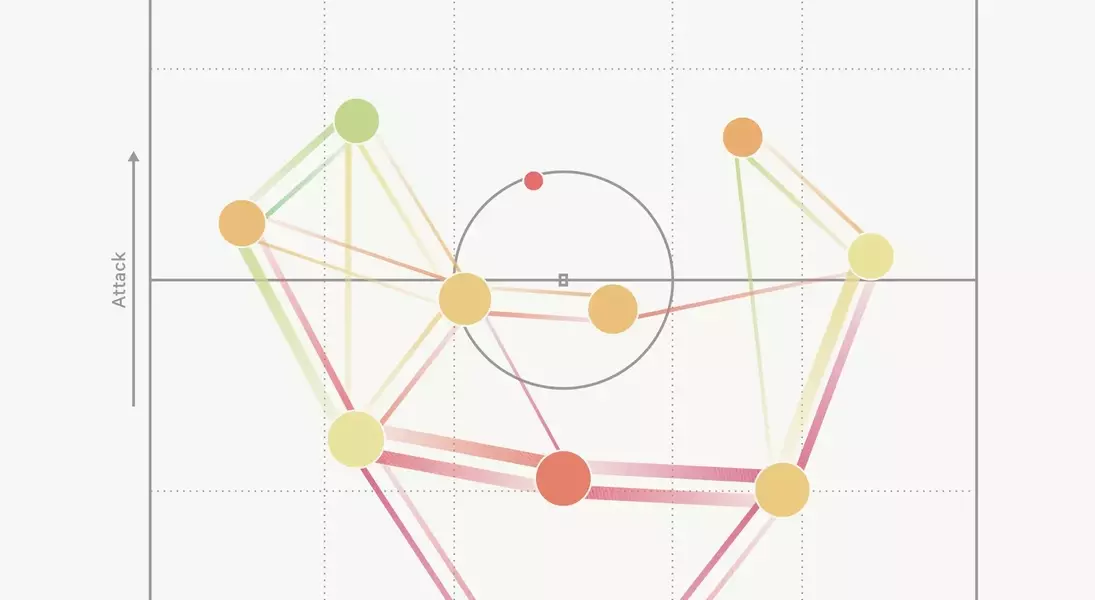
Amorim's tactical blueprint, the 3-4-2-1, is defined by a three-center-back foundation, flanked by dynamic wing-backs who expand the play across the pitch. Two attacking midfielders operate behind a central striker, with a pair of central pivots providing crucial stability. This structure emphasizes controlled possession and deliberate build-up, a stark contrast to the club's prior, more chaotic style. Despite early setbacks, Amorim's persistence with this formation, exemplified by his minimal in-game tactical adjustments, underscores his belief that consistency will ultimately lead to intuitive execution from his players.
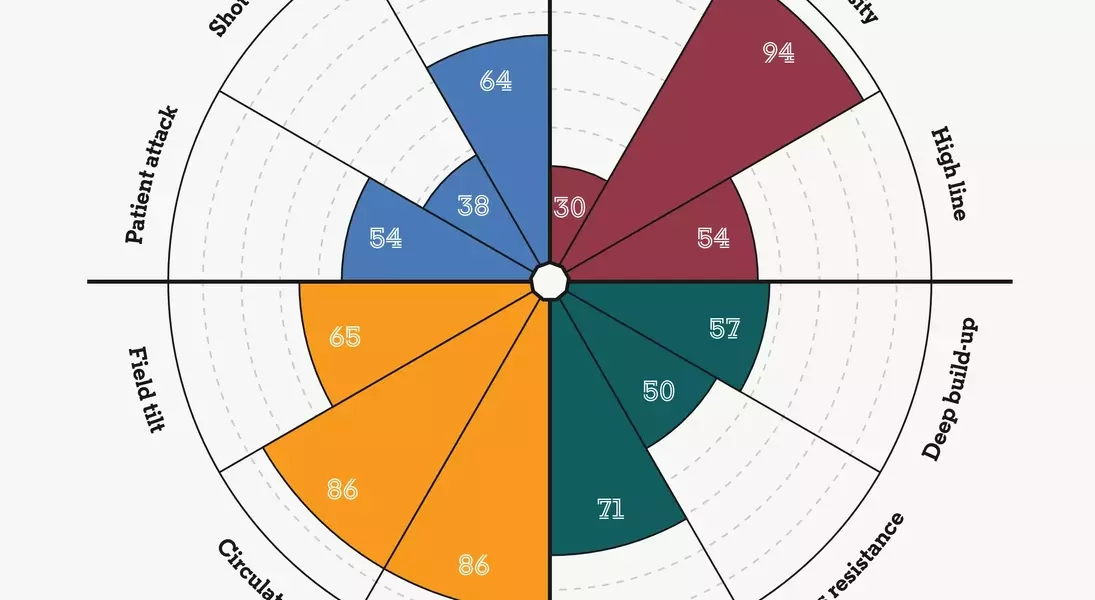
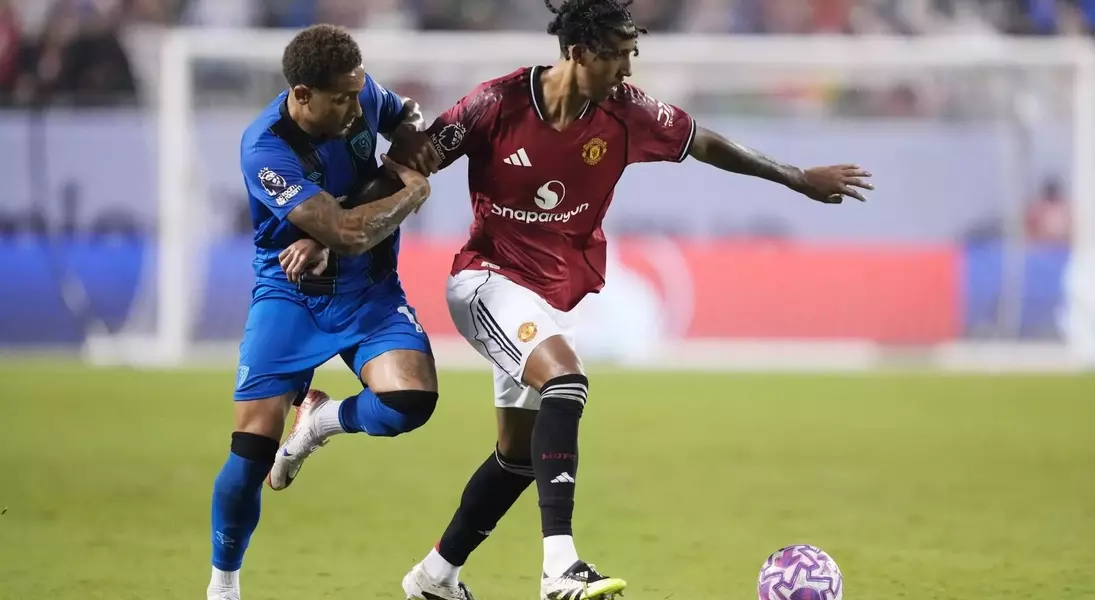
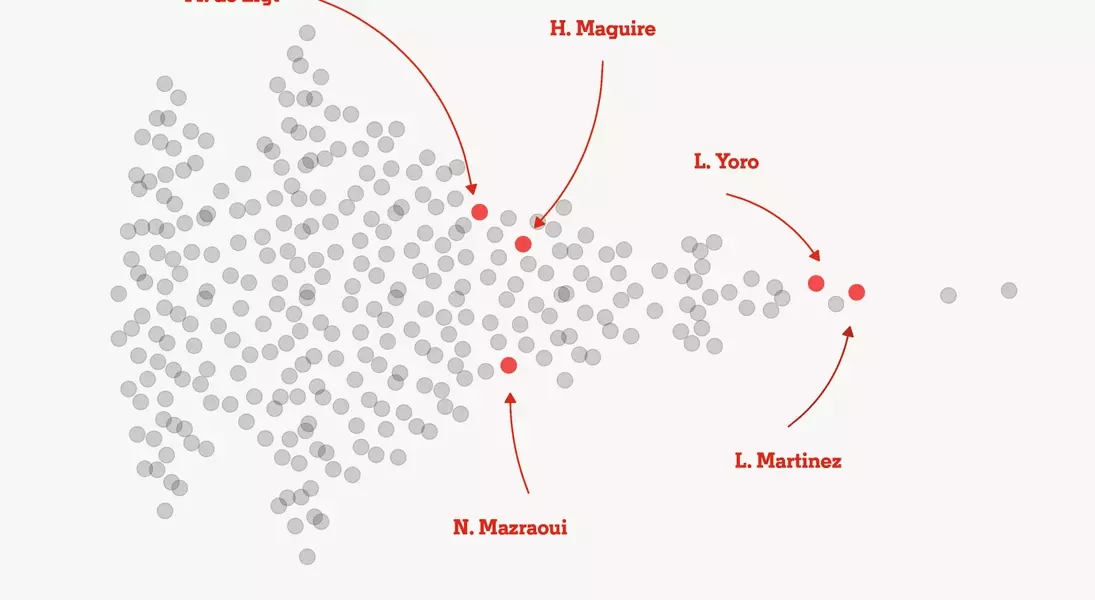
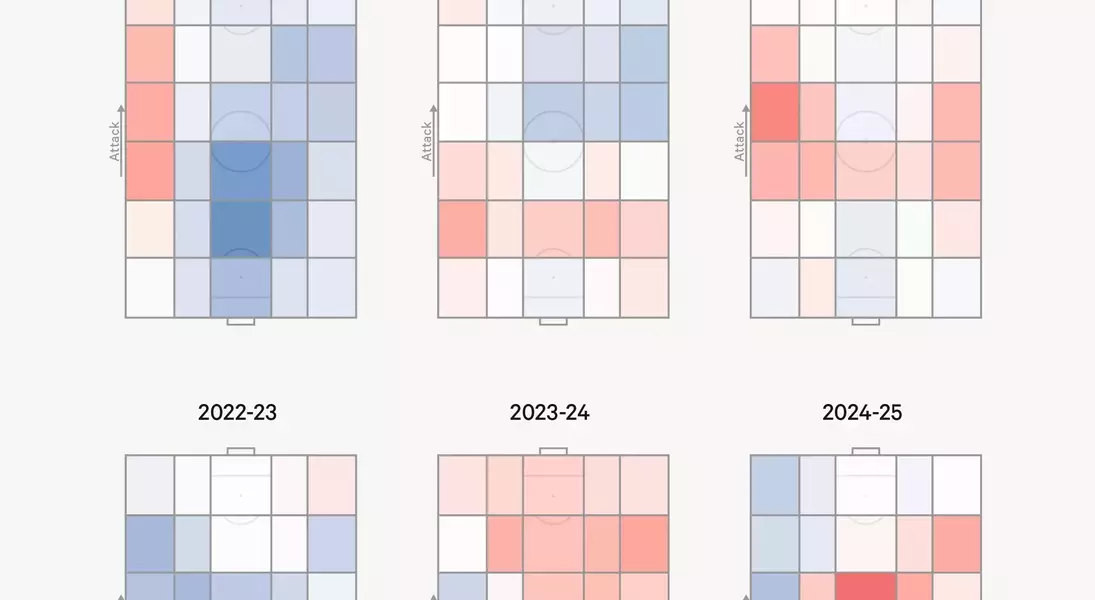
Data analytics highlight the shifts in United's playstyle under Amorim. The team excels in central ball circulation and exhibits a slower, more deliberate direct speed, indicative of their commitment to methodical progression. This measured approach has, statistically, improved defensive solidity, evidenced by a reduction in expected goals conceded. However, this has come at the cost of hindering rapid ball progression, with center-backs often exchanging passive passes. The effective utilization of ball-playing defenders like Leny Yoro and Lisandro Martinez, whose availability is critical, will be pivotal in enhancing the team's offensive transitions from deep within their own half.
A notable vulnerability within Amorim's system lies in the central midfield, particularly when wing-backs push high, leaving significant space. This susceptibility was painfully exposed in matches where more attack-minded midfielders struggled to cover ground, leading to opposition penetration through the middle. Addressing this defensive soft spot will be a key challenge for the manager, with players like Manuel Ugarte offering defensive tenacity and Kobbie Mainoo providing creative impetus. Finding the right balance in this crucial area is paramount to preventing opponents from exploiting numerical advantages.
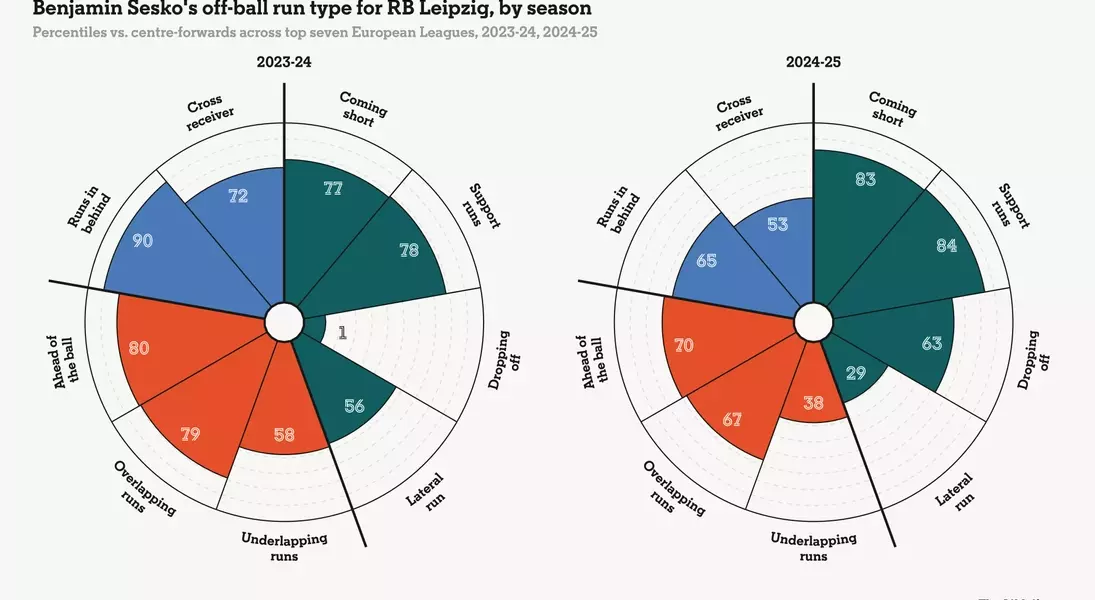
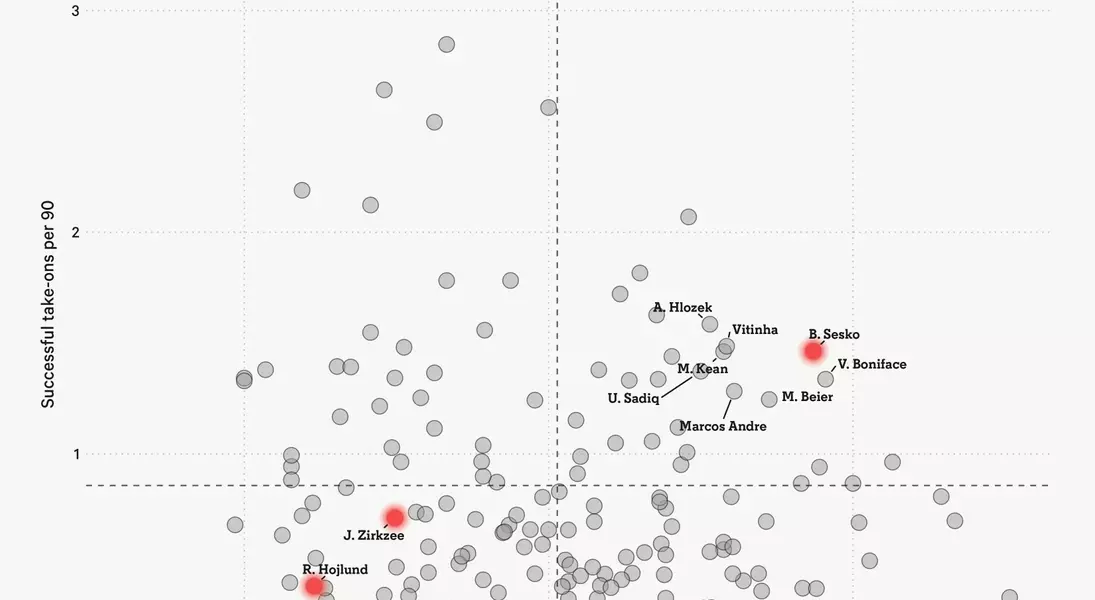
The offensive outlook for Manchester United appears considerably brighter with the arrival of Mbeumo, Cunha, and Sesko. Amorim’s system grants his two attacking midfielders the freedom to exploit spaces between defensive lines, often created by the decoy runs of the wing-backs. This tactical design is expected to amplify the strengths of ball-carrying forwards. Furthermore, the acquisition of Benjamin Sesko, a physically imposing and aerially dominant striker, is anticipated to provide a more effective focal point upfront, contrasting with Rasmus Hojlund's struggles in linking play last season. Sesko's ability to hold up the ball and stretch defenses will be crucial in unlocking the full potential of United's attacking talent.
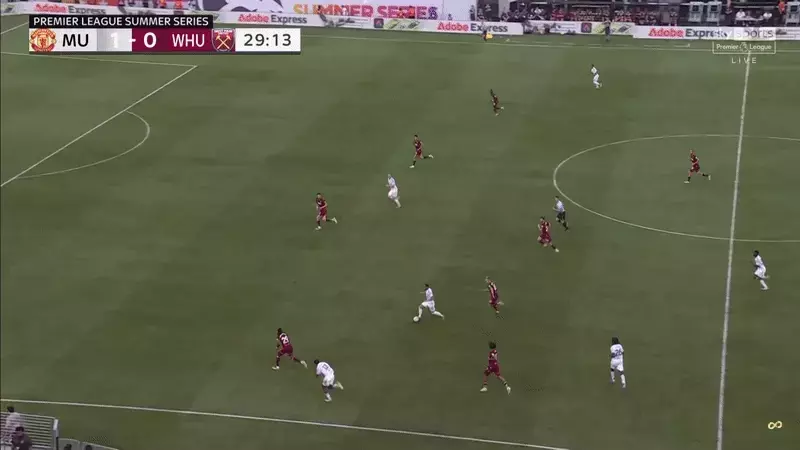
As the new season approaches, the early signs from pre-season friendlies suggest a more cohesive and fluid attacking unit. However, the true test awaits in the cutthroat environment of the Premier League, where tactical flaws are quickly exploited. Supporters are optimistic that the blend of Amorim’s defined system and the fresh infusion of talent will transform what was previously a disjointed setup into a formidable force, ready to challenge at the highest level.
