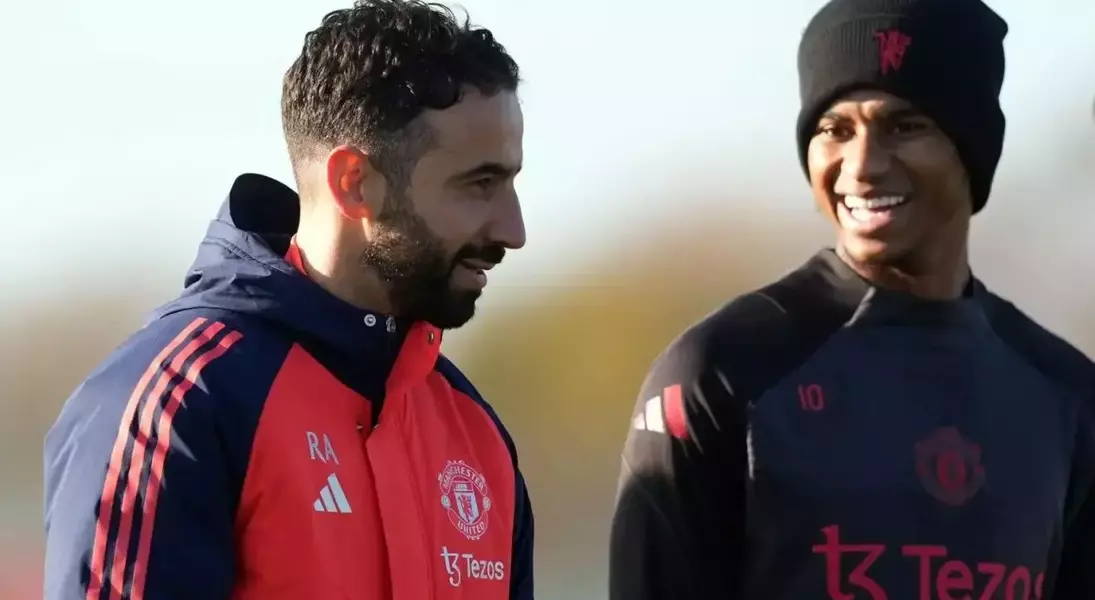
Manchester United is navigating a period of significant transition this summer, focusing on bolstering its attacking options while preparing for a substantial exodus of key players. The club's pursuit of new striking talent comes at a crucial juncture, aiming to address last season's offensive struggles and reshape the squad under fresh leadership. This strategic pivot highlights a proactive approach to rebuilding, emphasizing a blend of acquiring promising forwards and streamlining the existing roster.
Manchester United's Strategic Player Acquisitions and Departures
In the bustling summer transfer market, Manchester United is making decisive moves to reinforce its forward line, with Benjamin Sesko of RB Leipzig now a prominent target. This development follows the club's unsuccessful attempts to secure other top-tier strikers such as Viktor Gyokeres and Victor Osimhen, who are reportedly heading to Liverpool and Arsenal, respectively. The Red Devils' urgent need for a prolific goalscorer is underscored by their modest scoring record last season, where Rasmus Hojlund and Joshua Zirkzee collectively netted only seven Premier League goals. While Sesko presents a compelling option, his substantial release clause, exceeding £70 million, poses a financial consideration for the club.
Simultaneously, Old Trafford is bracing for a significant shake-up in its playing staff. Following the anticipated loan departure of Marcus Rashford to Barcelona, potentially with an option for a permanent transfer, several other star players are expected to follow suit. This strategic clear-out, reportedly driven by new manager Ruben Amorim, aims to offload players deemed surplus to requirements. Among those slated for departure are Jadon Sancho, Alejandro Garnacho, and Antony. Such sales are crucial to free up salary space and generate funds, enabling United to delve back into the transfer market for further reinforcements. Amidst these changes, Portuguese international Bruno Fernandes remains a steadfast presence, having reaffirmed his commitment to the club for the upcoming season. His unwavering dedication and leadership, as praised by former assistant manager Michael Carrick, are viewed as invaluable assets during this transformative period, even if his intense desire to succeed occasionally leads him to 'overdo it.'
The current transfer window presents Manchester United with both challenges and immense opportunities. The pursuit of talented young strikers like Benjamin Sesko, coupled with the strategic divestment of high-earning players, signifies a clear intent to construct a more balanced and effective squad. As a keen observer of football, I believe this period of decisive action is essential for the club to regain its competitive edge. The emphasis on strengthening core positions, particularly upfront, is a pragmatic response to past shortcomings. However, the success of this rebuilding phase will ultimately hinge on the judicious selection of incoming talent and the smooth integration of new faces into the team's tactical framework. The departure of established stars, while potentially unsettling, could pave the way for a revitalized team dynamic, fostering an environment where ambition and collective performance are prioritized above individual celebrity. It is a bold strategy, but one that could very well redefine Manchester United's future trajectory in the fiercely competitive landscape of modern football.
