The world of football has witnessed a significant shift at Manchester United, where the club is navigating through complex financial challenges while trying to uphold its rich history. The recent discussions surrounding the potential sale of some of its young talents have stirred emotions among fans, highlighting the delicate balance between tradition and economic necessity.
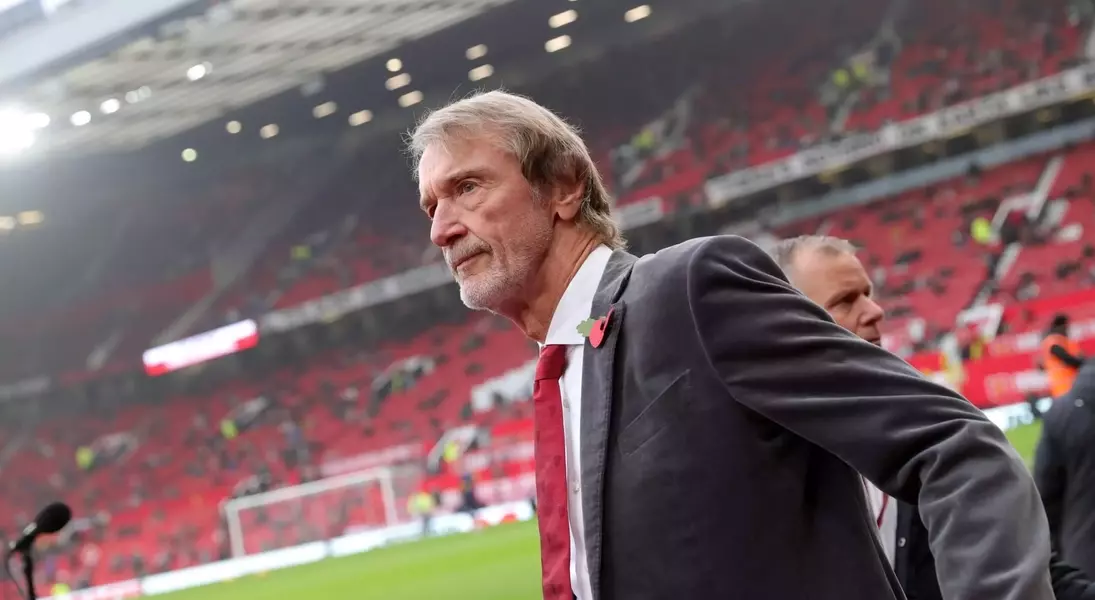
The club's financial struggles are not new. Over the years, Manchester United has faced mounting debts and operational inefficiencies. These issues came to a head when the Glazers, the club's owners, announced a strategic review in late 2022. The decision was driven by unsustainable wage bills and poor performance on the pitch. Sir Jim Ratcliffe, who took over, now faces the daunting task of reviving the club’s fortunes. While he aims to restore United to its former glory, his methods—such as cutting costs—are met with mixed reactions from supporters.
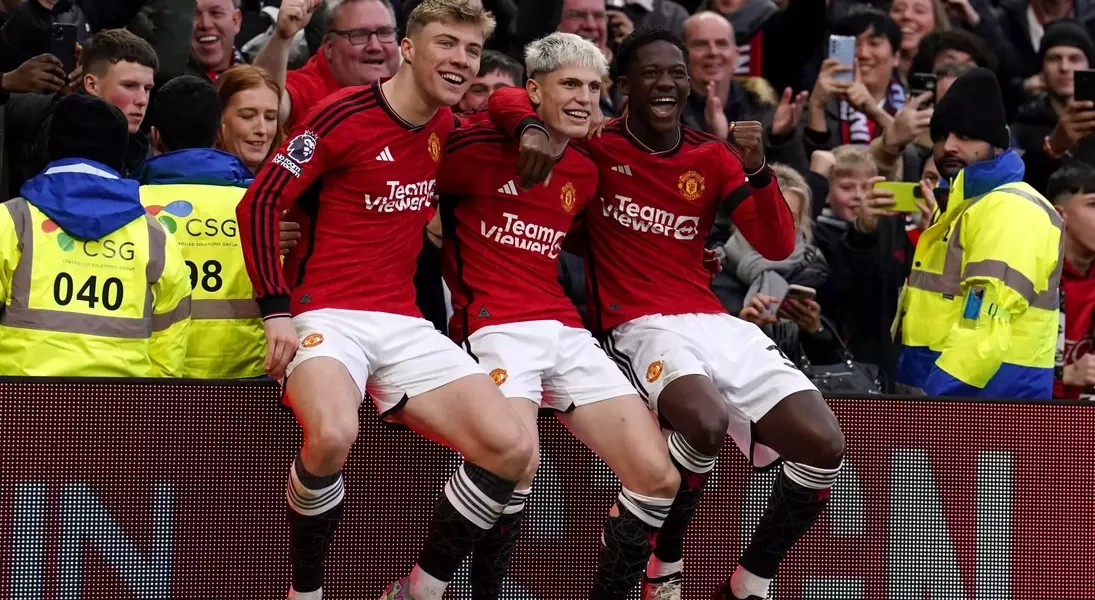
One of the most contentious aspects of this transformation is the potential departure of promising young players like Kobbie Mainoo and Alejandro Garnacho. Fans see these players as the embodiment of the club's storied youth system, which has historically produced world-class talent. However, the reality of modern football means that clubs must sometimes make difficult decisions to ensure long-term sustainability. Ratcliffe's approach underscores the need for pragmatic financial management, even if it means letting go of talented individuals.
In conclusion, Manchester United stands at a crossroads, balancing its storied past with the harsh realities of the present. The club's history of nurturing young talent remains a source of pride, but it must also adapt to the financial demands of today's game. Ratcliffe's leadership offers hope for a brighter future, reminding us that true success comes from making tough choices and staying committed to long-term goals. By embracing both tradition and innovation, Manchester United can once again rise to the top of the football world.
