In a significant shift for Manchester United, the club's top brass, including Sir Jim Ratcliffe, CEO Omar Berrada, and technical director Jason Wilcox, recently convened in Iceland for a series of pivotal discussions. This strategic retreat, combining business with Ratcliffe's passion for fly fishing, underscored a new approach to decision-making, culminating in an escalated bid for Bryan Mbeumo. As the team prepares for the new season under manager Ruben Amorim, the focus is on a comprehensive overhaul, integrating new signings, managing controversial player situations, and fostering a cohesive unit to rebound from a challenging previous campaign. The leadership's unconventional meeting venue highlights a desire for deep, uninterrupted conversations to shape the club's future direction.
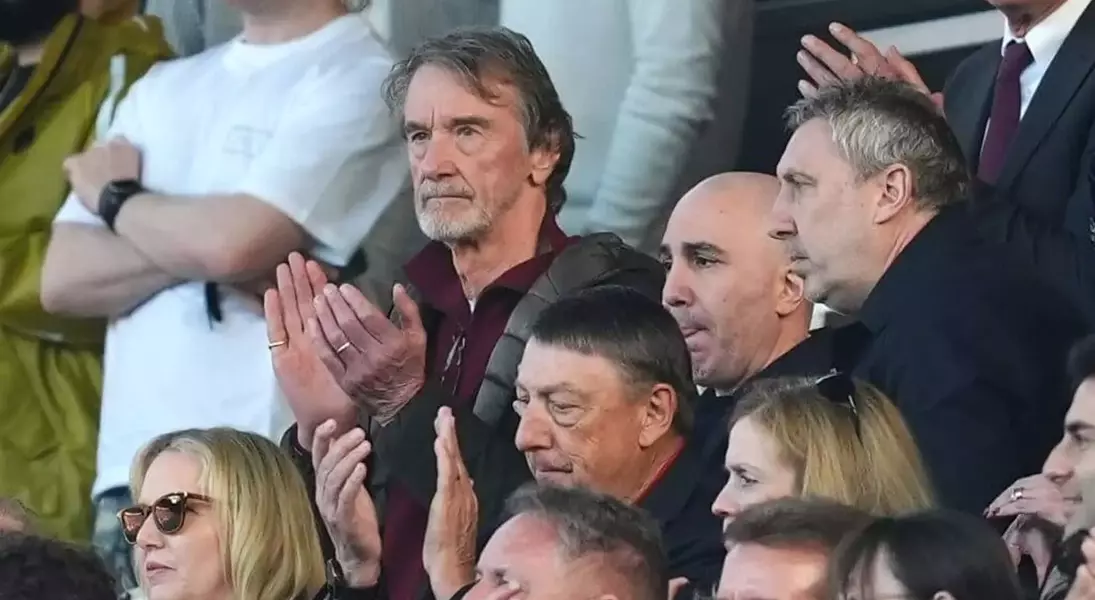
The recent Icelandic summit served as a crucial platform for Manchester United’s executive leadership to chart the club’s strategic course. Sir Jim Ratcliffe, known for his unconventional leadership style, orchestrated this gathering with CEO Omar Berrada and technical director Jason Wilcox. The secluded Icelandic setting, a departure from traditional office environments, was chosen to foster focused, in-depth discussions away from daily distractions. Ratcliffe, an ardent fly fisherman and advocate for environmental conservation through his Six Rivers Project, integrated leisure into the agenda, believing a relaxed atmosphere enhances candid dialogue and decision-making. This environment proved conducive to advancing critical club matters, notably influencing the decision to submit a third, substantial bid for Bryan Mbeumo, signaling a renewed intent in the transfer market.
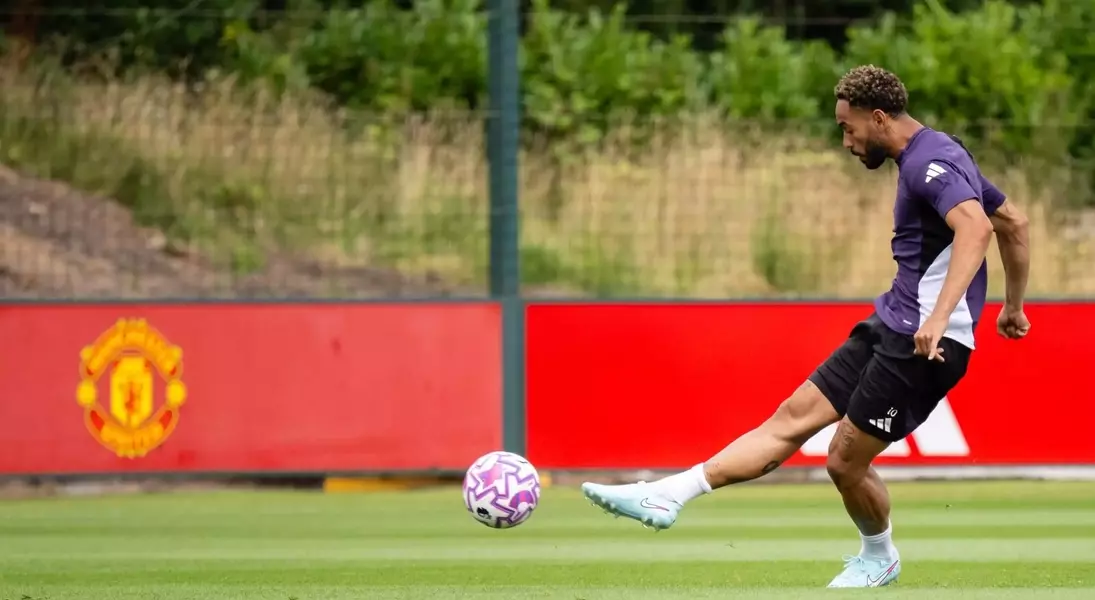
As the club navigates this period of transformation, manager Ruben Amorim is tasked with shaping the squad for the 2025-26 season. Despite the high expectations following his appointment, the pace of player acquisitions has been slower than some anticipated, with Matheus Cunha being the only major new addition. Cunha's assignment of the No. 10 shirt, previously worn by Marcus Rashford, carries significant symbolic weight, indicating a clear shift in player hierarchy and signaling a new era. Meanwhile, the club has taken a firm stance with several high-profile players, including Rashford, Alejandro Garnacho, Antony, Jadon Sancho, and Tyrell Malacia, by requiring them to train separately and at off-peak hours. This 'bomb squad' approach, while intended to encourage transfers, has sparked internal debate regarding its potential impact on player morale and market value. The club's rigid stance reflects Amorim's desire for a disciplined environment, ensuring only fully committed players remain part of his vision.
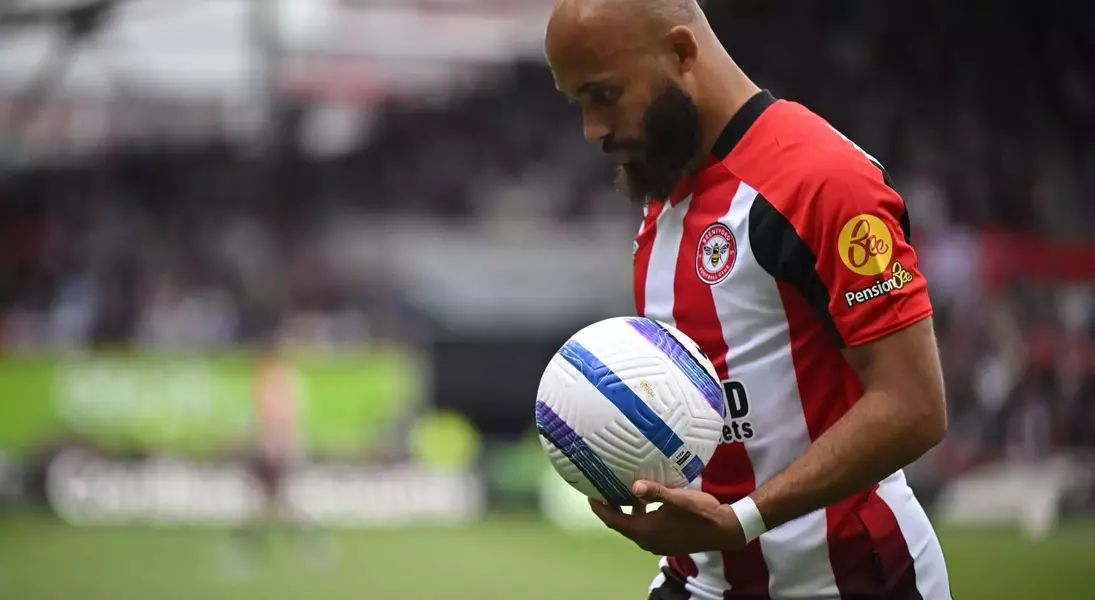
The pursuit of Bryan Mbeumo has been a protracted affair, with negotiations extending over a month due to a valuation discrepancy between Manchester United and Brentford. United’s bid has progressively increased from £55 million to £70 million, reflecting their strong desire to secure the player. The timing of this escalated offer, just as the team re-enters pre-season, underscores the club’s urgency to finalize key transfers ahead of their U.S. tour. Fans, however, are wary, drawing parallels to past transfer sagas. Beyond Mbeumo, other new talents like Diego Leon, an 18-year-old left-back from Paraguay, are being integrated, showcasing promising early impressions in training. Young prospects such as Bendito Mantato, Shea Lacey, and Sekou Kone are also being given opportunities to impress. Meanwhile, the recovery of Lisandro Martinez from injury is closely monitored, with hopes of his return to group training and participation in the U.S. tour, highlighting his crucial role in both defensive stability and team motivation. In addition to player movements, the club has bolstered its support staff, with Acacio Valentim joining as team manager, bringing extensive experience from Porto and Braga to enhance the dressing room environment, further solidifying the strategic changes under way at Old Trafford.
Manchester United is currently undergoing a comprehensive reshaping, driven by strategic executive meetings, aggressive transfer pursuits, and a firm stance on player management. The leadership’s distinctive approach, exemplified by the Icelandic retreat, underscores a commitment to fostering deep discussions and decisive actions. As manager Ruben Amorim prepares the squad for the new season, integrating new talent while navigating challenging personnel decisions, the club is determined to usher in a new era of performance and discipline, aiming for a significant upturn in fortunes after a difficult period.
