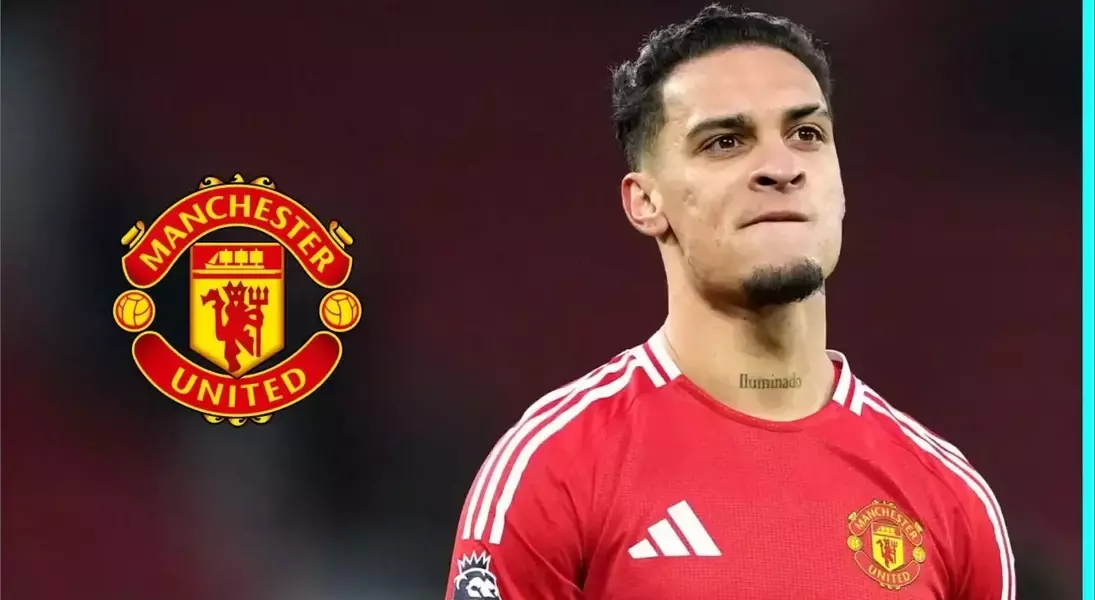
The ongoing saga surrounding Antony's potential departure from Manchester United has intensified, with reports indicating a firm stance from the English club. Although the Brazilian winger enjoyed a fruitful loan period with Real Betis last season, the Spanish side's financial constraints are proving to be a significant hurdle in securing a permanent transfer. United, having invested a substantial £85 million in the player just three years prior, is reportedly seeking to recoup a figure in the region of £30-40 million for his services.
Antony has made no secret of his desire to return to Betis, even reportedly being willing to prolong the negotiation process until the very end of the transfer window to facilitate his preferred move. However, Manchester United is clearly unwilling to be pressured into a last-minute deal. The club is well aware of Betis's strategy to wait, and they are actively countering it by putting pressure on the player himself. United has reportedly received other offers that they deem financially acceptable, and they are keen to avoid the perception that Antony has only one potential destination.
In a decisive move, Manchester United has reportedly delivered an ultimatum to Antony: either he accepts one of the existing offers for a permanent transfer of £30-40 million before the Premier League season commences, or he will find himself on the bench until the January transfer window. This firm stance carries severe implications for Antony's career, as prolonged inaction could significantly jeopardize his chances of participating in the 2026 World Cup. While a loan deal might be considered, it would likely be contingent on Antony first extending his current contract, which is set to expire in 2027.
This situation highlights the complex dynamics of modern football transfers, where player ambition, club financial interests, and strategic maneuvering converge. It serves as a reminder that tough decisions are often necessary in high-stakes environments to maintain integrity and long-term vision. For both clubs and players, transparent communication and realistic expectations are paramount to navigate such challenges effectively and achieve mutually beneficial outcomes.
