The summer transfer window is proving to be a complex period for Manchester United, as they navigate the challenging waters of acquiring new players while simultaneously seeking to streamline their existing squad. Despite securing Matheus Cunha from Wolves, and with a deal for Bryan Mbeumo encountering difficulties due to Brentford's valuation, the club is now focused on offloading several high-profile players. Among those targeted for departure are Marcus Rashford, Alejandro Garnacho, Antony, and Jadon Sancho, as the Red Devils aim to reduce their substantial wage bill and generate funds for further acquisitions.
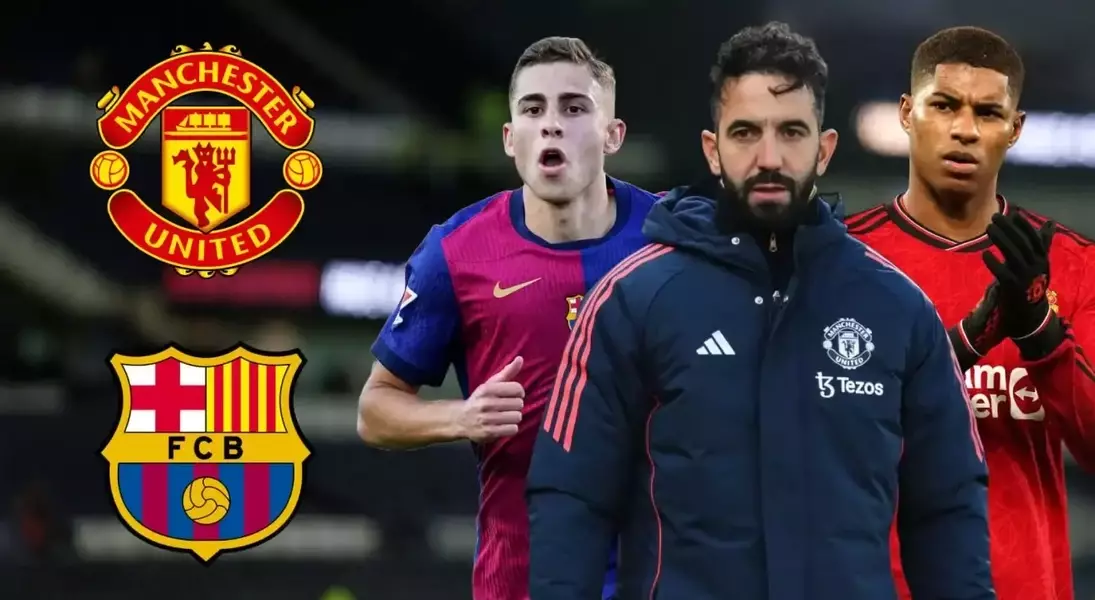
Central to this intricate transfer narrative is the future of Marcus Rashford, whose significant wage demands and a £40 million valuation have deterred potential suitors. Reports from Spain indicate a stalemate in negotiations between Manchester United and Barcelona regarding a permanent move for Rashford. Adding an unexpected twist, Manchester United manager Ruben Amorim reportedly suggested incorporating Barcelona's promising talent, Fermin Lopez, into the deal as a means to lower Rashford's price. However, this unconventional proposition was swiftly and emphatically rejected by the Catalan club, who view Lopez as an invaluable asset and are unwilling to part with him in any exchange, especially given their own financial limitations which favor a loan deal for Rashford, a term United is not keen on.
This ongoing transfer saga underscores the multifaceted challenges faced by top football clubs. It's not merely about player talent, but also about financial prudence, strategic bargaining, and the delicate balance of team composition. The strong stance taken by Barcelona in protecting their young talent, despite the allure of a player like Rashford, serves as a reminder of the inherent values and long-term visions clubs uphold. Such situations call for astute management and a clear understanding of both current needs and future aspirations, ensuring that decisions are made not just for immediate gains but for the sustained well-being and competitive edge of the team.
The intricate negotiations and firm positions adopted by both Manchester United and Barcelona reflect the high stakes involved in modern football transfers. This scenario illuminates how financial realities and strategic priorities shape the landscape of player movement, emphasizing that success in the transfer market demands not just capital, but also foresight and unwavering commitment to core club principles. It encourages a deeper appreciation for the complex interplay of factors that define a club's identity and its path to long-term triumph, reminding us that true victory extends beyond the scoreboard to the astute management of resources and talent.
