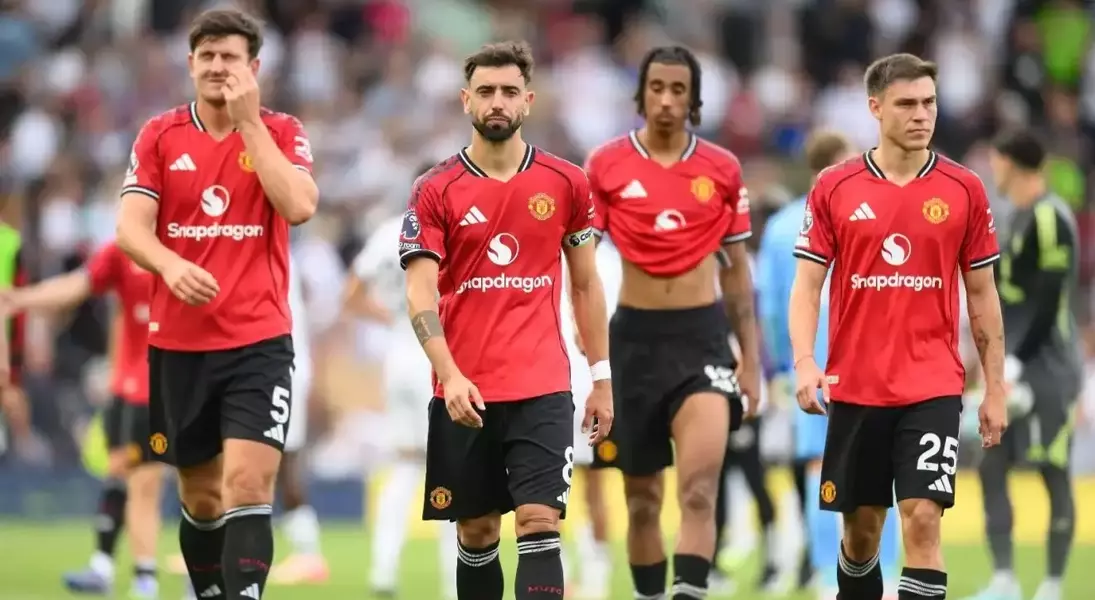
Recent events have cast a harsh light on Manchester United's continued struggles, particularly following a disappointing draw against Fulham. This result has ignited a firestorm of discussion among supporters and analysts, questioning the team's direction, the manager's strategies, and the performance of key players. Despite substantial financial outlay in the summer transfer window, the club appears to be mired in a cycle of underachievement, leading to widespread calls for significant changes and a re-evaluation of its core approach to the game.
The critical 1-1 draw at Craven Cottage has been widely characterized as another chapter in Manchester United's ongoing narrative of strategic missteps and on-field blunders. A penalty miss by Bruno Fernandes, coupled with an unfortunate own goal, underscored a lack of composure and effectiveness that has become all too familiar. Critics point to Fulham's superior tactical discipline and possession, highlighting United's struggle to create genuine scoring opportunities, with even their goalkeeper, Altay Bayindir, credited with crafting their only real chance. This performance, coming after a substantial investment exceeding £200 million and a previous season's dismal 15th-place finish, places manager Ruben Amorim under intense scrutiny, with the team languishing in 16th place after two winless matches. The manager's call for the team to 'grow up' rings hollow when substitute players fail to make an impact, suggesting a deeper systemic issue.
The frustration extends to the team's tactical inflexibility, particularly the persistent use of Harry Maguire as a makeshift forward in desperate moments, a tactic that draws unfavorable comparisons to past managerial failures. The squad's composition also raises concerns; a static midfield and the continued absence of players like Kobbie Mainoo are frequently cited as contributing factors to their struggles. The debate surrounding Bruno Fernandes' role is particularly heated, with some suggesting a drastic solution: selling him, even at a significant loss, to facilitate a much-needed overhaul. This sentiment reflects a deep-seated desire among some fans for a complete reset, advocating for a shift away from what they perceive as ingrained tactical and personnel errors. The recurring pattern of pre-season optimism quickly dissolving into mid-season disappointment suggests a fundamental flaw in the club's long-term planning and execution.
Amidst the widespread criticism, the issue of refereeing decisions has also surfaced, with some alleging preferential treatment for Manchester United. Incidents in recent matches, including contentious penalty awards and overlooked fouls, have fueled suspicions that officials are inadvertently, or perhaps intentionally, aiding the club. These claims, whether founded or not, add another layer of controversy to United's challenging start to the season. Meanwhile, observations on other Premier League teams offer a contrasting perspective; the impressive form of players like Viktor Gyökeres at Arsenal, particularly his decisive goal-scoring ability and penalty execution, serves as a reminder of the kind of impactful performances United currently lacks. The comparison between Isak and Gyökeres, highlighting the latter's efficiency and value, underscores the strategic acquisitions other clubs are making, further emphasizing United's current predicament.
Ultimately, the current state of Manchester United is characterized by a pervasive sense of disarray. Despite the immense resources at their disposal, the team continues to underperform, trapped in a cycle of disappointing results and unfulfilled potential. The strategic vision, player utilization, and overall direction of the club are all under intense scrutiny. Without a significant shift in philosophy and a decisive plan of action, the path forward appears fraught with continued challenges, and the calls for a fundamental restructuring of the team and its leadership are only likely to grow louder.
