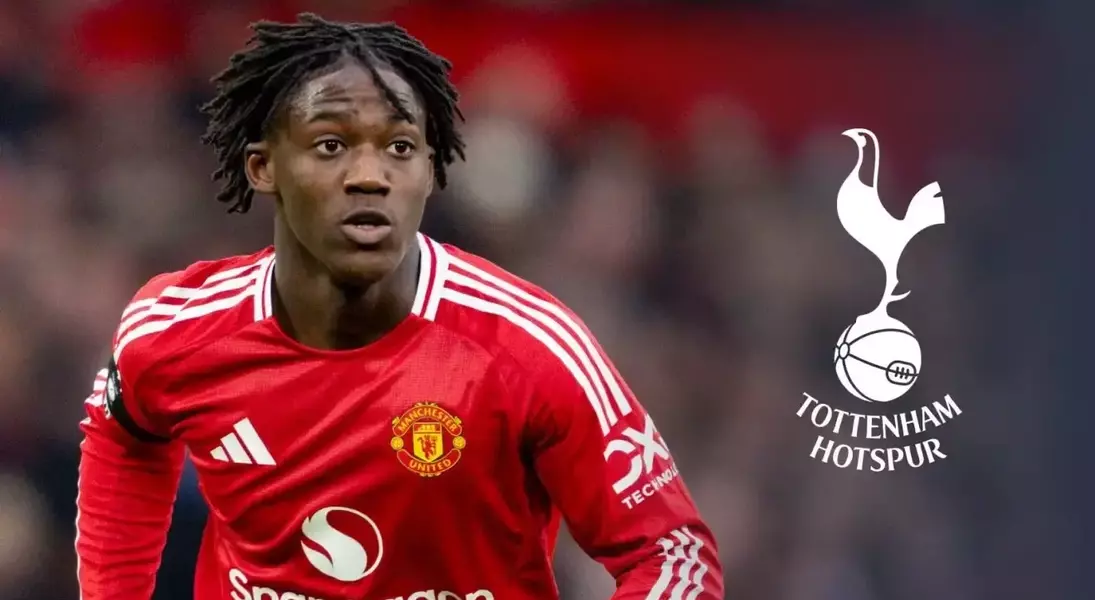
Manchester United is currently grappling with a complex situation surrounding their promising midfielder, Kobbie Mainoo. The club's desire to retain the young talent is clashing with external interest, particularly from Tottenham Hotspur, and the player's own career aspirations. This scenario presents a multifaceted challenge for United, forcing them to consider both financial implications and the strategic importance of nurturing their emerging stars. The dynamics of player contracts, market value, and the pursuit of regular playing opportunities are all converging to create a pivotal moment for Mainoo and his current club.
The saga also sheds light on the broader pressures facing football clubs today, particularly regarding financial fair play regulations. The need to balance squad development with economic prudence means that every contract negotiation and potential transfer becomes a delicate act of strategic management. For Manchester United, securing Mainoo's long-term commitment while navigating these complexities will be crucial for their future success on and off the field. The decisions made in this period could well define the club's midfield strength for seasons to come.
The Future of Kobbie Mainoo: A Crucial Juncture
Manchester United is at a crossroads concerning the future of their highly-rated midfielder, Kobbie Mainoo. Persistent rumors have linked him with a departure from Old Trafford, with Chelsea reportedly making inquiries last summer and again in January. Despite previously deeming Mainoo 'untouchable' and placing a substantial £70 million valuation on him, the club's financial constraints, particularly relating to Profit and Sustainability Rules (PSR), and a recent dip in the midfielder's form have complicated matters. This puts United in a difficult spot, as they must decide how to proceed with a player who is both a valuable asset and a potential source of much-needed funds.
Adding to Manchester United's predicament, Tottenham Hotspur has recently entered the fray, making what is described as a 'shock inquiry' for Mainoo's services. Reports indicate that Spurs are keenly monitoring his contract situation, which remains unresolved. With Mainoo's current deal paying a modest £25,000 per week and set to expire in two years, and considering his agent is reportedly not demanding excessive wages, United faces a significant 'dilemma'. Should the club fail to agree on new terms, they risk losing a valuable player for free, while Mainoo's desire for consistent first-team action, especially with the World Cup on the horizon, could make a move to a club like Tottenham or Chelsea an attractive prospect for him.
Contract Negotiations and Market Dynamics
The ongoing discussions regarding Kobbie Mainoo's contract extension at Manchester United highlight a critical challenge for the club. Despite earlier claims of his representatives seeking £180,000 per week, those reports have been refuted, suggesting a more reasonable financial expectation. However, with Mainoo currently earning significantly less than many of his teammates, the club must find a way to offer a deal that appropriately values his talent and secures his commitment without disrupting the team's wage structure or falling foul of financial regulations. This balancing act is made even more delicate by his increasing prominence, having recently earned a place in the England squad.
The interest from rival clubs like Tottenham, coupled with Mainoo's evident ambition for regular playing time, puts immense pressure on Manchester United. If a new contract cannot be agreed upon, the club faces the unenviable choice of either selling a promising young talent prematurely to avoid losing him for free in the future or risking his departure without any transfer fee. This situation underscores the broader trend in modern football where player contracts and market value are in constant flux, and clubs must be shrewd in their negotiations to safeguard both their sporting ambitions and their financial stability.
