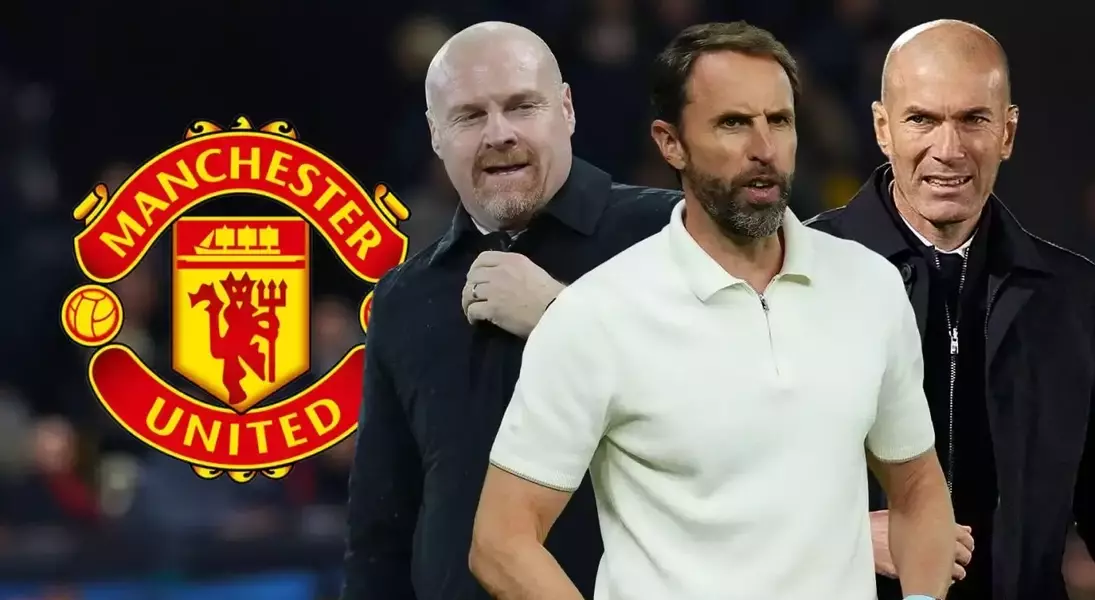
As the curtains appear to be drawing on Ruben Amorim's spell at Manchester United following a challenging period, particularly after a disheartening loss to Grimsby Town, the search for a new leader at Old Trafford has intensified. This article delves into a comprehensive list of potential candidates who could step into the demanding role of managing one of the world's most prominent football clubs. From highly decorated figures to rising stars in the coaching world, each prospective manager brings a unique set of skills and experiences to the table, aiming to rekindle the team's fortunes and address the underlying issues that have plagued the club in recent times.
The current climate at Manchester United is one of uncertainty, with their performance hitting a new nadir after the penalty shootout defeat to League Two side Grimsby Town. This result has only fueled the rumors of Amorim's imminent departure, pushing the club into a crucial transitional phase. The pressure to identify a manager capable of steering the club back to its once dominant position is immense, prompting a wide-ranging discussion about who possesses the vision and resilience required for such a monumental task.
Among the names being circulated, some suggestions verge on the improbable, such as Jurgen Klopp. Despite his proven track record, the likelihood of him abandoning his deep-rooted connection with Liverpool for a rival club, especially given his expressed desire for a break from management, is virtually nonexistent. Similarly, the idea of Sean Dyche, though a respected figure for his work at Burnley and Everton, taking over at a club of United's commercial and global stature has been met with skepticism, raising questions about whether his pragmatic approach aligns with the club's aspirations.
More plausible contenders include Marco Silva, currently at Fulham, whose tactical flexibility and experience could offer a fresh perspective. While perhaps not the most exhilarating choice for fans, his ability to adapt his strategies suggests a manager who could bring much-needed stability. Another internal possibility is Michael Carrick, whose brief managerial stint at Middlesbrough, though ending in dismissal, could see him return to United in an interim capacity, leveraging his deep understanding of the club's culture. Kieran McKenna, with his impressive back-to-back promotions with Ipswich, stands out as a promising, albeit less experienced, candidate who has previously served on United's coaching staff, making a future return seem almost inevitable.
The illustrious Zinedine Zidane, a three-time Champions League-winning manager, remains a dream appointment for many. His ability to manage high-profile players and instill a winning mentality is undeniable, though questions persist about how his specific coaching style would translate outside the star-studded environment of Real Madrid. On the other hand, Andoni Iraola of Bournemouth and Oliver Glasner of Crystal Palace represent more contemporary, data-driven selections. Iraola has significantly elevated Bournemouth's standing, showcasing an astute tactical mind, while Glasner's success, even with limited resources, makes him an attractive option, especially given his contract situation.
Leading the list of realistic possibilities is Gareth Southgate, widely tipped for the role due to his previous close links with the club and his experience in revitalizing the England national team. His temperament and ability to navigate complex environments could make him a fitting choice, despite concerns about his ultimate success in delivering silverware at the highest level. Each of these candidates presents a unique proposition, and Manchester United's next managerial decision will undoubtedly shape its immediate future, determining whether the club can overcome its current struggles and once again compete at the pinnacle of football.
