Bitters End has acquired the international distribution rights for "In My Father's Room," a film selected for competition at the upcoming San Sebastian Film Festival. This marks the directorial debut of renowned novelist Maha Harada, whose work is widely celebrated in Japan.
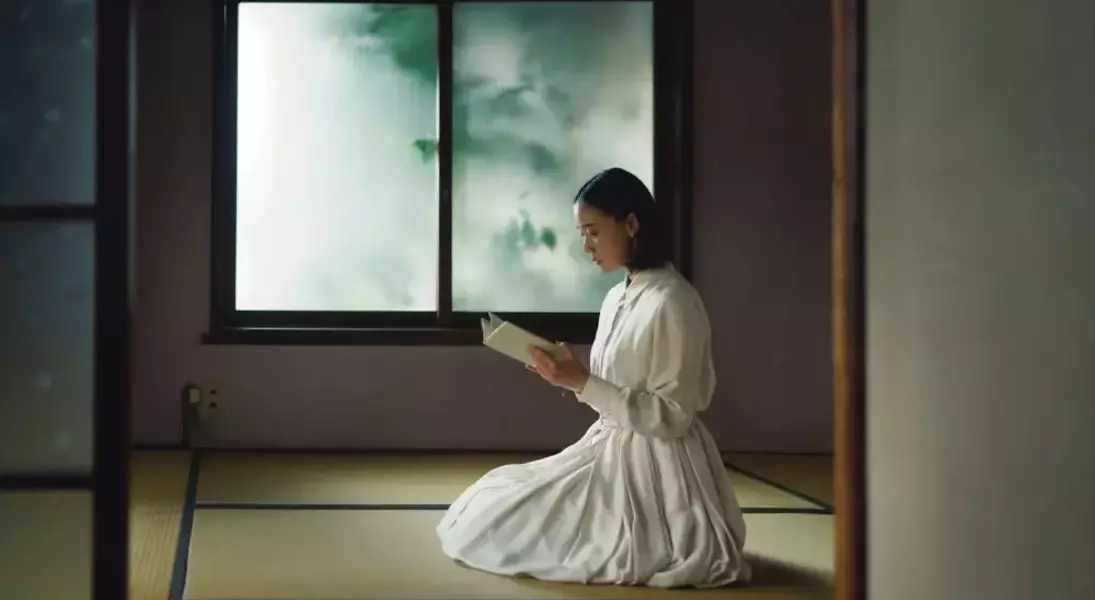
Known in its home country as "Muyou no Hito," the cinematic adaptation draws from Harada's original short story, "An Unnecessary Man." The cast features prominent actors such as Aoi Yu, Ogata Issey, Nagayama Eita, and Watanabe Eri, with cinematography by Kitagawa Yoshio, recognized for his contributions to films like "Evil Doesn't Exist" and "Lost Land." The narrative centers on Satomi, an art museum employee, who uncovers a hidden room belonging to her recently deceased father. Through his personal effects and habits, she reconstructs his final days, revealing a man who, despite being overlooked by society, found solace in literature, traditional tea ceremonies, and the subtle beauty of life. This journey leads Satomi to a profound appreciation for the quiet dignity of his existence.
Maha Harada, a prolific Japanese author with over ten million books sold since 2006, brings her storytelling prowess to the screen for the first time. Her extensive background in Japanese literature and art history, including a stint at New York's Museum of Modern Art, has influenced her critically acclaimed art-themed novels like "Canvas of Paradise" and "Guernica Cover-Up." Bitters End will manage both the global sales and the local Japanese theatrical release, slated for January 2027. With a three-decade history of introducing international auteur cinema to Japanese audiences, Bitters End's portfolio includes works by celebrated directors such as Hamaguchi Ryusuke and Bong Joon Ho, and their production credits feature the Oscar-winning "Drive My Car."
This cinematic endeavor illuminates the overlooked beauty in everyday life and the enduring connections between generations. It reminds us that even in loss, there is discovery, and that understanding the past can profoundly enrich our present and future, fostering empathy and appreciation for the lives led around us.
