





A deep dive into the Magic: The Gathering Seventh Edition unveils its subtle yet profound impact on the game's trajectory. Released in April 2001, this particular core set quietly introduced several innovations that shaped the modern Magic experience. It was the first core set to feature every card in a foil variant and boasted entirely new illustrations across the board, a distinction not seen since the game's initial release. This dedication to fresh visuals imbued the entire collection with a unified artistic vision, diverging from the traditional practice of reprinting existing art. Furthermore, Seventh Edition stands as the final core set to utilize the classic card frame, preceding the significant aesthetic shift introduced by Eighth Edition. This positioning gives Seventh Edition a unique visual identity, appearing more contemporary than its predecessors but distinctly different from subsequent releases.
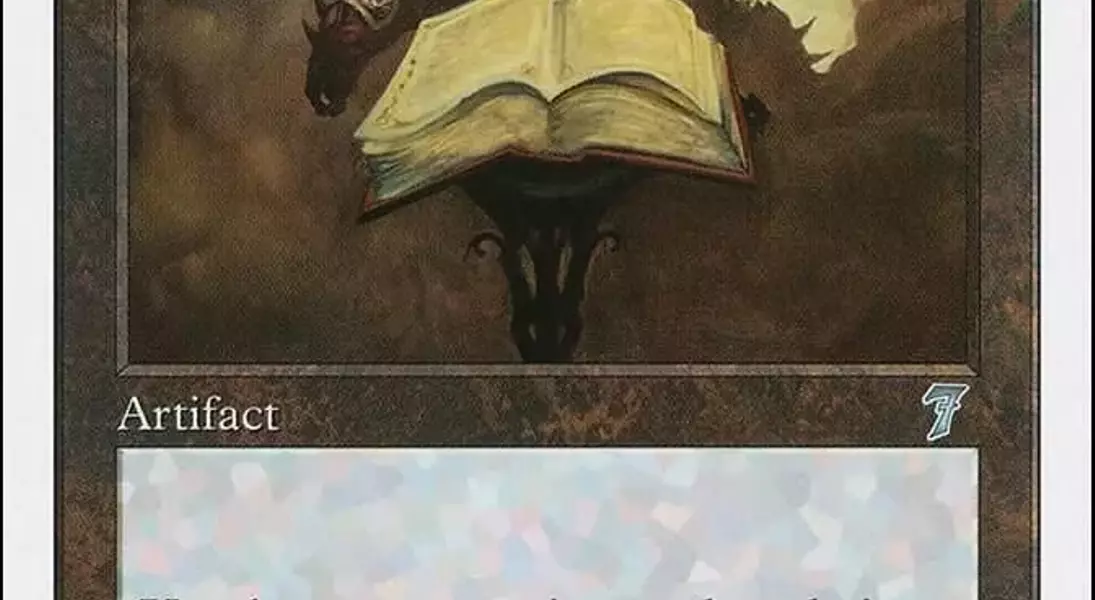
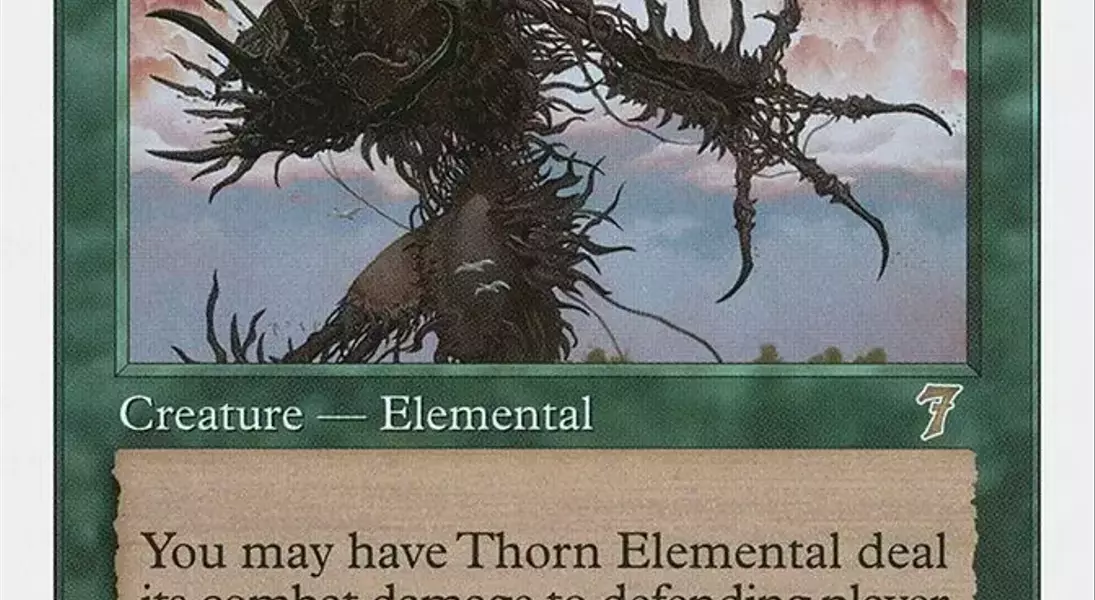
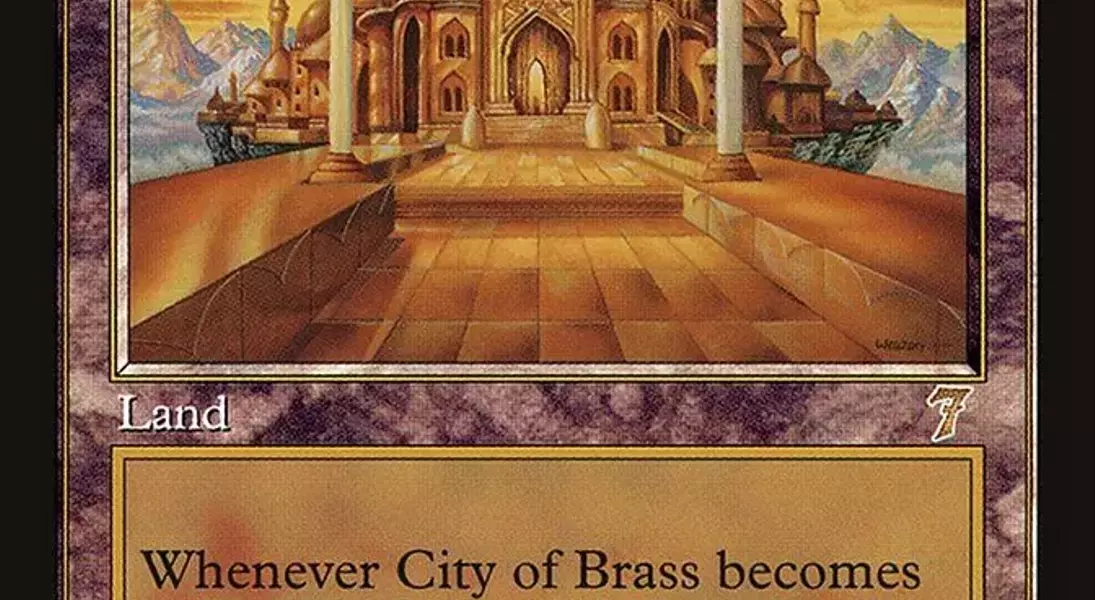
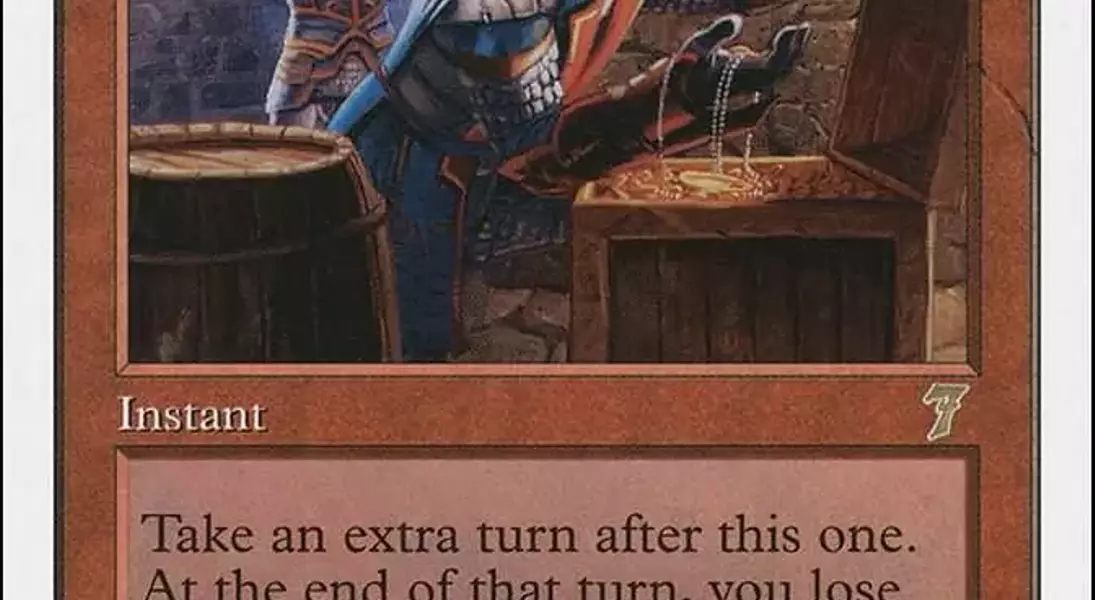
Beyond its visual and structural innovations, Seventh Edition also contained many memorable cards and mechanics that left a lasting impression on players. While some mechanics, like the experimental 'super trample' ability of creatures such as Thorn Elemental, Lone Wolf, and Pride of Lions, didn't fully integrate into the game's future, they represented bold attempts at expanding gameplay. The set also introduced highly sought-after pain lands and other strategically valuable cards like City of Brass and the high-risk, high-reward Final Fortune, which remain popular in formats like Commander. Even seemingly minor cards, such as Spellbook, discovered during a nostalgic rummage through old collections, found new life and utility in contemporary decks, underscoring the enduring relevance of this set's diverse card pool.
The Seventh Edition of Magic: The Gathering, though a core set, ventured into narrative territory with a unique, albeit critically unacclaimed, storyline involving paladins. This ambition to weave a story into a core set was a notable deviation from tradition, demonstrating the developers' willingness to experiment. Despite its lukewarm reception, the set's overall contribution to Magic's evolution is undeniable. It refined art direction, experimented with mechanics, and laid groundwork for future core sets, leaving a complex legacy that continues to fascinate and influence players. This journey through the Seventh Edition serves as a powerful reminder of how innovation, even in subtle forms, can shape the landscape of beloved games for generations to come.
