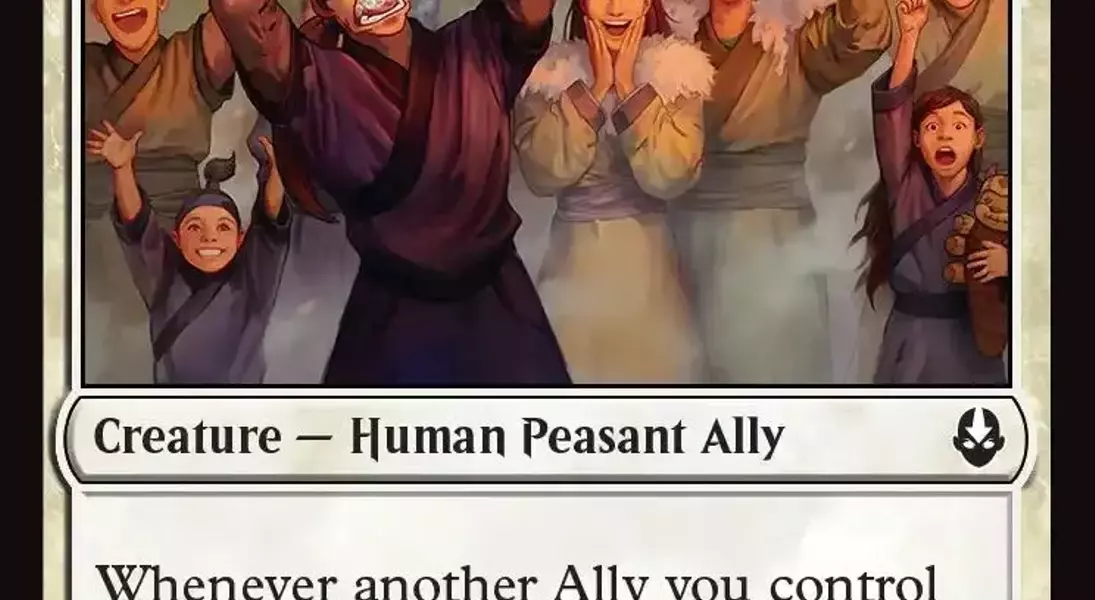

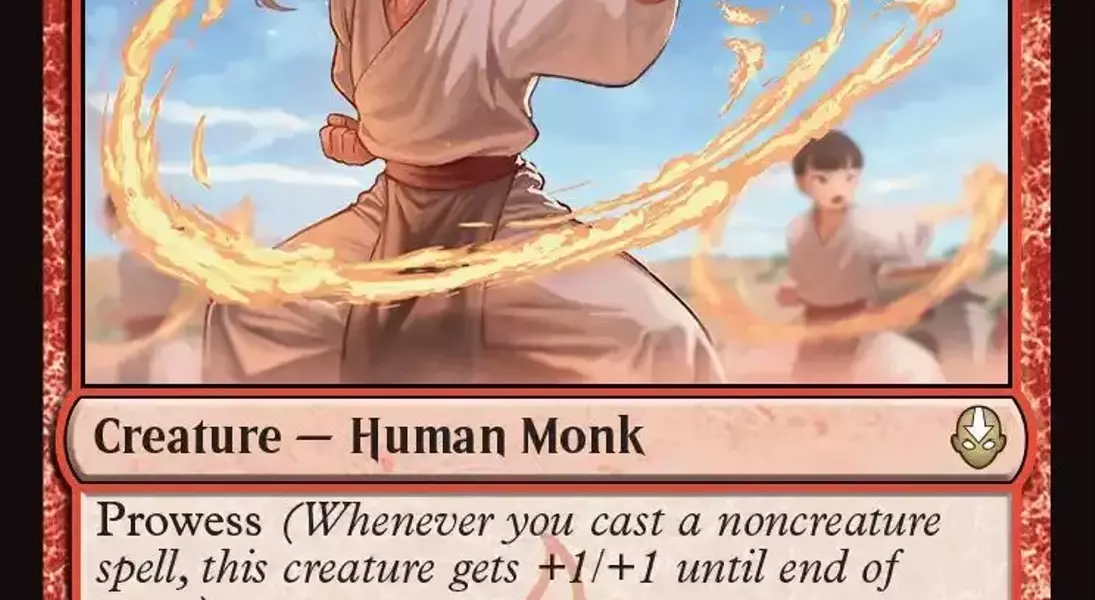
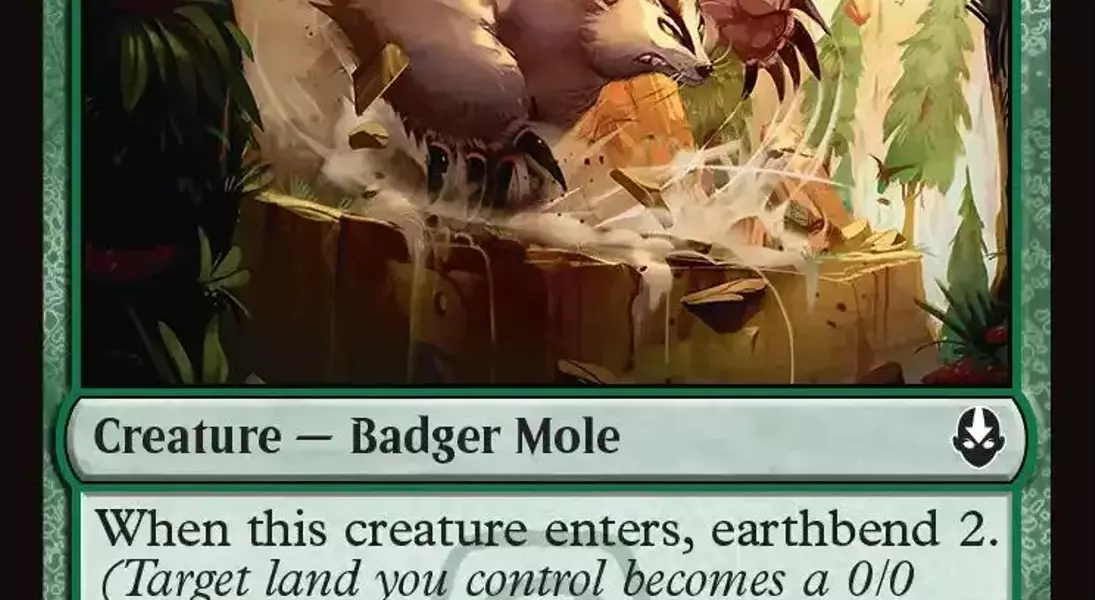
The eagerly anticipated 'Magic: The Gathering' crossover with 'Avatar: The Last Airbender' promises to introduce a groundbreaking approach to integrating the beloved animated series' elemental bending arts into the card game's mechanics. Rather than simply re-skinning existing abilities, this set ventures into a more ambitious design space, crafting unique gameplay elements for each of the four bending styles: fire, water, earth, and air. This innovative strategy seeks to reflect the distinct characteristics and philosophies of each element as depicted in the 'Avatar' universe, offering a fresh and deeply thematic experience for players.
Firebending, known for its aggressive nature and ability to generate flames without an external source, is translated into a mechanic that rewards offensive play. Players who utilize firebending abilities gain additional red mana when they launch an attack. This mirrors the show's portrayal of firebenders, who, while capable of various techniques, often resort to direct confrontation and powerful, unbridled force. This mana generation offers strategic flexibility, allowing players to cast more spells or empower their creatures, embodying the raw power and self-sufficiency of firebenders.
Waterbending, characterized by its adaptability and reliance on a source, is represented by effects that can be paid for using multiple resource types. Beyond standard land tapping, players can also tap creatures and artifacts to activate waterbending abilities. This flexibility reflects water's fluid nature and its practitioners' ability to manipulate various forms. The effects themselves are equally diverse, ranging from stunning opponents to drawing cards or altering creature statistics, capturing the multifaceted utility of waterbending for healing, combat, or control, much like a river's unpredictable yet powerful flow.
Earthbending, which involves manipulating the terrain for both offense and defense, finds its parallel in a mechanic that transforms land cards into creature cards. This directly ties into the show's depiction of earthbenders literally shaping the ground beneath them into weapons or shields. Crucially, unlike similar mechanics in 'Magic's' past, these earthbent lands do not permanently disappear if destroyed, mirroring the idea that earth, though broken, can be reformed. Furthermore, these land-creatures gain haste, symbolizing the swift and decisive actions of earthbenders in battle or competition.
Finally, airbending, emphasizing agility, evasion, and misdirection, translates into an ability to temporarily remove cards from play and then return them. This represents the airbenders' knack for pushing enemies away and deftly escaping danger. This mechanic allows players to protect their own creatures or disrupt opponents' strategies, echoing the elusive and protective nature of airbending. Its thematic relevance is further underscored by its comparative rarity within the set, a nod to Aang being the last known airbender, making this elemental style the least common but highly impactful.
This 'Avatar' crossover distinguishes itself from previous 'Magic' ventures by deeply embedding the narrative and thematic elements of its source material into the core gameplay. Instead of merely featuring characters on cards, it innovatively alters the game's fundamental rules to reflect the unique powers of bending. This detailed integration creates a more immersive experience for fans of both franchises and showcases 'Magic: The Gathering's' capacity for creative adaptation, pushing the boundaries of what a crossover set can achieve in terms of systemic design and thematic resonance.
