
The Madison Small Cap Fund (Class I) experienced marginal growth in the first quarter of 2026, achieving a 0.10% increase. This performance unfolded against a backdrop of significant market volatility, influenced by concerns over AI's disruptive potential and the ongoing geopolitical instability stemming from the Iran conflict. Despite slightly trailing the Russell 2000 Index (up 0.89%) and the Russell 2500 Index (up 2.04%), the fund's core holdings demonstrated resilience, with IT investments notably outperforming within a challenging technology landscape. The fund also capitalized on new strategic positions, contributing positively to its relative performance. With an eye toward sustained growth, the Madison Small Cap Fund selectively adjusted its holdings, emphasizing companies with strong fundamentals and attractive valuations to navigate future market uncertainties.
Madison Small Cap Fund's Q1 2026 Investment Strategy and Performance
In the initial quarter of 2026, the Madison Small Cap Fund, specifically its Class I shares, recorded a modest return of 0.10%. This performance occurred amidst a dynamic market environment where the Russell 2000 Index grew by 0.89% and the Russell 2500 Index advanced by 2.04%. Despite the slight underperformance relative to these benchmarks, the fund observed positive indications, notably robust contributions from its foundational positions and superior performance from its information technology sector investments during a downturn in the tech market. Newly introduced positions also played a role in enhancing the fund's relative standing for the quarter.
From a stylistic standpoint, value-oriented small-cap equities outperformed growth-oriented ones, with the Russell 2000 Value Index climbing approximately 4.5% while the Russell 2000 Growth Index declined by nearly 3%. This shift in the growth index was primarily driven by a weakening in speculative stocks, a trend that aligns favorably with the fund's preference for established, profitable enterprises over high-risk ventures. Nevertheless, market volatility, exacerbated by concerns over AI's disruptive influence and the geopolitical ramifications of the Iran conflict on energy markets and interest rates, continued to define the investment landscape. Fund managers believe that such volatility will continue to offer strategic opportunities for patient investors.
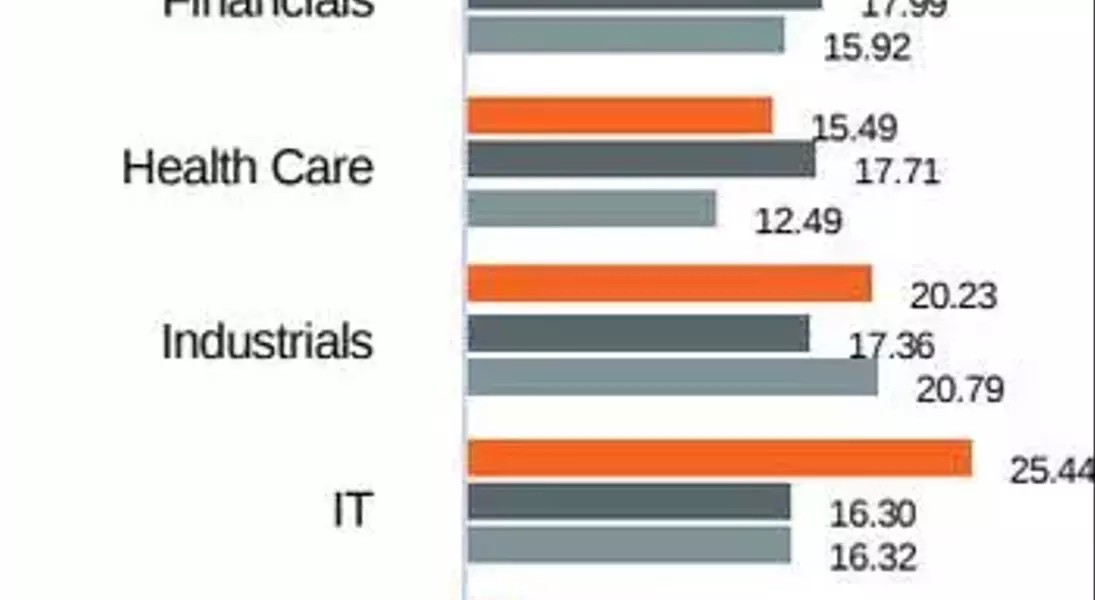
Regarding portfolio attribution, the fund's technology holdings emerged as the top performers, propelled by strong results from semiconductor companies. This was despite a weaker showing from software investments, largely due to speculation regarding AI disruption. Viavi stood out as the fund's strongest stock, benefiting from its recent acquisition of Spirent and increased demand from semiconductor and memory sectors. Viavi is strategically positioned within the AI data center ecosystem, particularly noted for its alignment with NVIDIA's AI reference architecture. Other strong performers included Entegris, FormFactor, and Power Integrations.
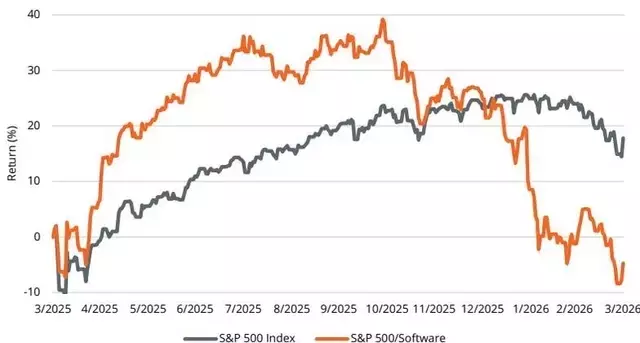
The software sector experienced a significant downturn in Q1, with the iShares expanded software ETF (IGV) dropping by 25% and the S&P Software Industry Index seeing a similar decline. Valuations in this sector contracted sharply, presenting attractive entry points for the fund. The Madison Small Cap Fund made several new investments in software companies that possess strong franchises in critical applications, which are deemed less susceptible to disruption by AI-native competitors. For example, investments in Workiva, a provider of compliance and regulatory software, are considered resilient given its deep integration into client operations.
Energy, materials, and defense sectors also showed solid absolute performance. Leonardo DRS, a smid-cap defense contractor, delivered better-than-expected results, driven by its involvement in the Columbia submarine platform and the Golden Dome missile defense initiative. This company is well-managed and benefits from diversified defense spending. In contrast, the healthcare sector was the weakest performer, with drug development companies like Charles River Labs and Medpace Holdings experiencing pullbacks due to AI disruption fears. However, the fund maintains a positive outlook, believing AI will enhance drug development efficiency and increase demand for clinical research services, selectively adding to these positions. Gitlab, Inc. and Commvault Systems were notable detractors from performance.
Portfolio activity remained brisk in Q1, mirroring the previous quarter's trend, with four new stocks acquired and two sold. New acquisitions included ICU Medical, a medical device company with a strong market position and cash flow; Matador Resources Company, a Delaware Basin E&P company trading at a discount; Procore Technologies, a construction management software provider with significant growth potential; and SiteOne Landscape Supply, a dominant consolidator in the landscape supply industry. The fund divested from Chord Energy Corporation to enhance its position in Matador Resources and sold Globus Medical after its market cap grew significantly post-acquisition.
Looking ahead to 2026, the fund anticipates continued market volatility, particularly from geopolitical tensions in the Middle East impacting energy markets and interest rates. While a softening in the labor market has not yet been observed, the impact of AI and higher input costs could challenge consumers. The fund is also monitoring private credit issues and the upcoming midterm elections. Despite these challenges, the fund believes the fading of speculative market excesses creates an environment ripe for thoughtful and opportunistic investments, particularly in durable housing, materials, and select energy names.
The investment landscape in 2026, as outlined by the Madison Small Cap Fund, presents a complex yet opportunity-rich environment. The fund's proactive approach to navigating volatility through strategic sector allocation and a focus on quality, resilient companies underscores a thoughtful adaptation to market shifts. The emphasis on AI's long-term benefits for drug development, despite short-term fears, and the identification of undervalued assets in critical sectors offer valuable insights. This strategy suggests that even amidst global uncertainties, diligent research and patient investing can yield positive outcomes, reinforcing the importance of fundamental analysis over speculative trends.
