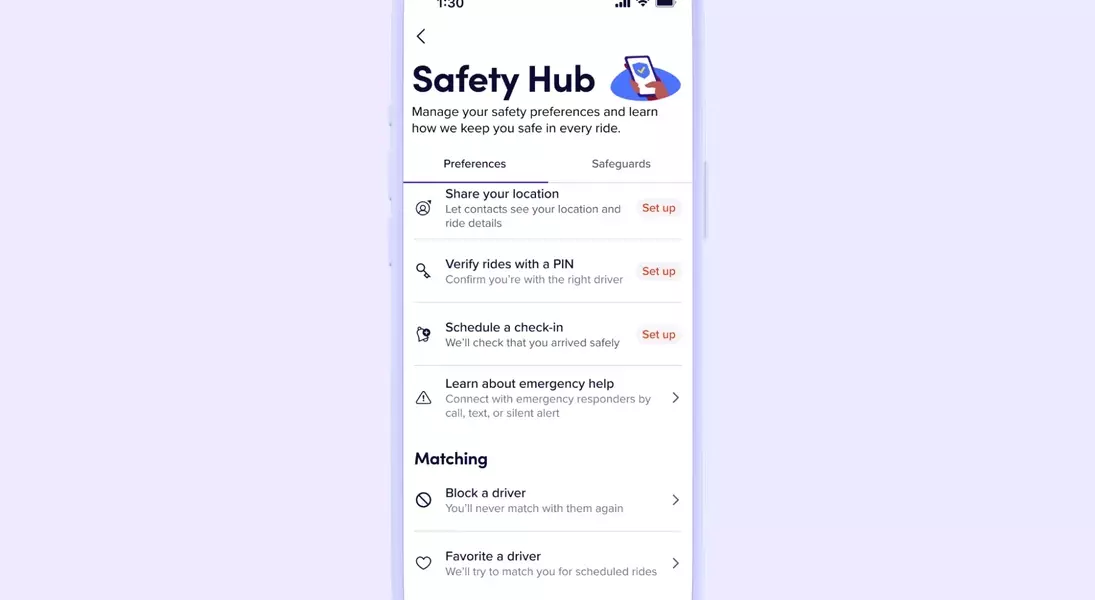
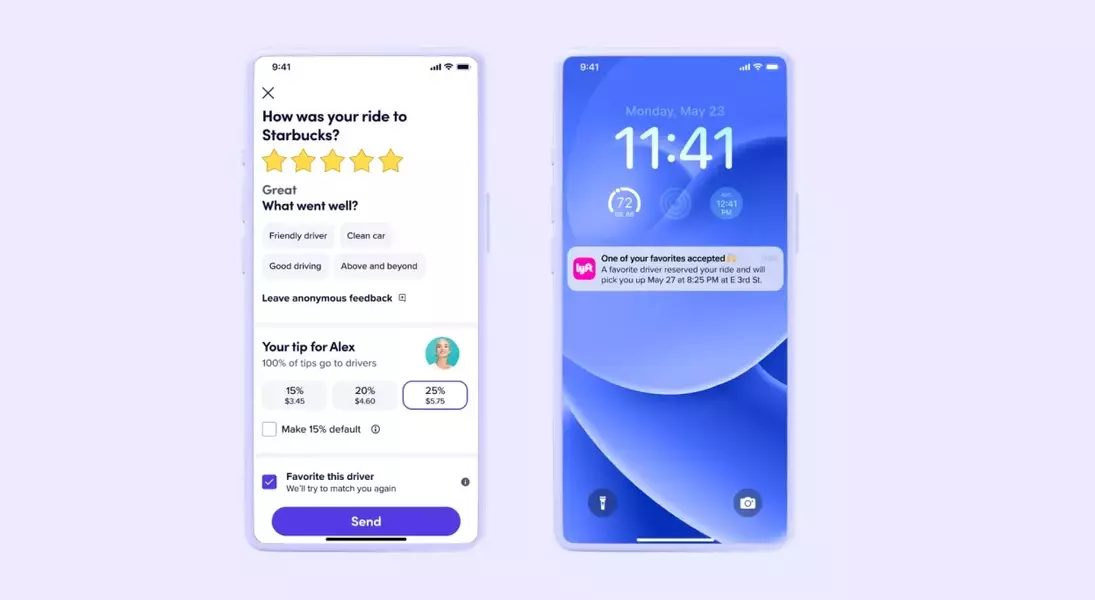
Lyft is introducing significant enhancements to its ride-sharing platform, empowering users with greater control over their experience. These updates, focusing on both personalization and safety, allow passengers to influence their future journeys by identifying and managing interactions with drivers. This move reflects a growing trend within the ride-share industry to prioritize rider and driver comfort and security.
Lyft's New Rider Empowerment Features Roll Out Across North America
In a significant step towards refining the user experience, Lyft has officially launched innovative features designed to give riders more autonomy. These new functionalities, which began their phased rollout in various regions and are anticipated to be fully implemented across the United States and Canada by the close of August, center around two key aspects: the ability to favorite exceptional drivers and the long-awaited option to block unsatisfactory ones. For those particularly delightful journeys, passengers now have the power to mark specific drivers as favorites. This not only acknowledges exemplary service but also signals to Lyft's system a preference for future pairings. When a driver receives this special designation, they are promptly notified and gain priority access to upcoming scheduled ride requests, fostering a more harmonious and efficient connection between riders and their preferred transportation providers. Conversely, after nearly thirteen years in operation, Lyft is finally providing riders with the crucial ability to completely block drivers, a feature that significantly enhances passenger comfort and security by allowing them to avoid future encounters with drivers who may have provided an unpleasant experience. This dual approach to feedback aims to elevate the overall quality of service and build a more personalized and secure environment for all users.
These new features represent a forward-thinking approach to ride-share services, putting more control directly into the hands of the consumers. From a rider's perspective, the ability to curate their experience by favoring reliable and pleasant drivers, while simultaneously being able to prevent encounters with unsatisfactory ones, fosters a stronger sense of trust and security. This not only enhances individual comfort but also contributes to a more positive and predictable ride-sharing environment. It's an important evolution for the industry, reflecting a commitment to user satisfaction and safety that extends beyond basic transportation, and it will undoubtedly shape expectations for future platform developments.
